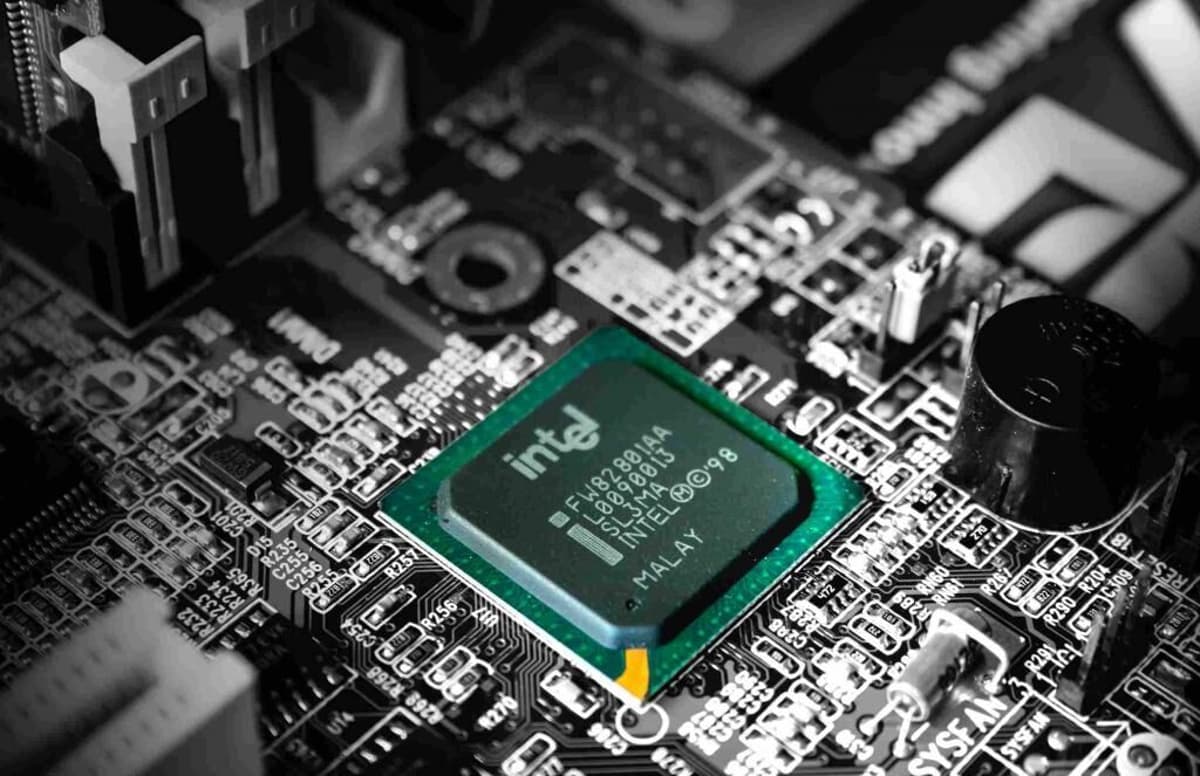
Intel Lifts Margins by Selling Lower-Grade Chips as AI Demand Tightens CPU Supply
Why It Matters
By turning low‑yield silicon into revenue, Intel cushions AI‑induced supply constraints and improves earnings, hinting at a broader shift in how semiconductor firms price yield loss.
Key Takeaways
- •Intel Q1 revenue $13.6B, beating $12.36B forecast.
- •Non‑GAAP gross margin rose to 41%, above 34.5% guidance.
- •Lower‑yield chips sold as discounted SKUs, adding revenue.
- •AI‑driven compute demand loosens tolerance for performance variance.
- •Margin boost occurs without additional manufacturing cost.
Pulse Analysis
Intel’s latest earnings reveal a pragmatic response to the chronic yield challenges of advanced node manufacturing. By reclassifying edge‑die CPUs—traditionally considered scrap—into lower‑tier product lines, the company extracts incremental revenue from assets that would otherwise be written off. This strategy directly lifts the non‑GAAP gross margin to 41%, a notable jump from the mid‑30s range, and demonstrates how effective yield management can translate into immediate financial upside without capital‑intensive process changes.
The catalyst behind this shift is the surging demand for AI‑focused infrastructure. Enterprises and cloud providers are racing to provision massive compute clusters, and the urgency has softened performance tolerances. Customers now accept CPUs that fall short of premium specifications if they can secure capacity quickly and at a discount. This market pressure enables Intel to offload a broader spectrum of its wafer output, turning a supply‑side constraint into a pricing advantage while competitors scramble to meet the same demand.
Looking ahead, Intel’s approach could reshape pricing dynamics across the semiconductor industry. If other manufacturers adopt similar yield‑monetization tactics, the traditional premium‑discount hierarchy for silicon may blur, prompting a reevaluation of product roadmaps and inventory strategies. For Intel, the margin boost provides a buffer as it ramps up its next‑generation AI‑optimized processors, while also signaling to investors that the company can extract value from existing fabs amid a volatile demand environment.
Intel lifts margins by selling lower-grade chips as AI demand tightens CPU supply
Comments
Want to join the conversation?
Loading comments...