Japan Quake May Disrupt Semiconductor Supply Chain, Hit NAND and Photoresist Output
Companies Mentioned
Why It Matters
The outage hits critical nodes in the global chip supply chain, risking temporary shortages of NAND flash and photoresist—materials already under tight demand pressure. This underscores the vulnerability of semiconductor manufacturing to regional natural disasters and may prompt firms to diversify production footprints.
Key Takeaways
- •Kioxia's Iwate NAND plants supply 5‑8% of global flash
- •Tokyo Electron halted Iwate equipment production, delaying chip tool shipments
- •Shin‑Etsu and SUMCO paused wafer output, but expect quick resumption
- •Fukushima photoresist plant shutdown could last weeks, tightening material supply
- •Overall impact short‑term; NAND and materials may face brief shortages
Pulse Analysis
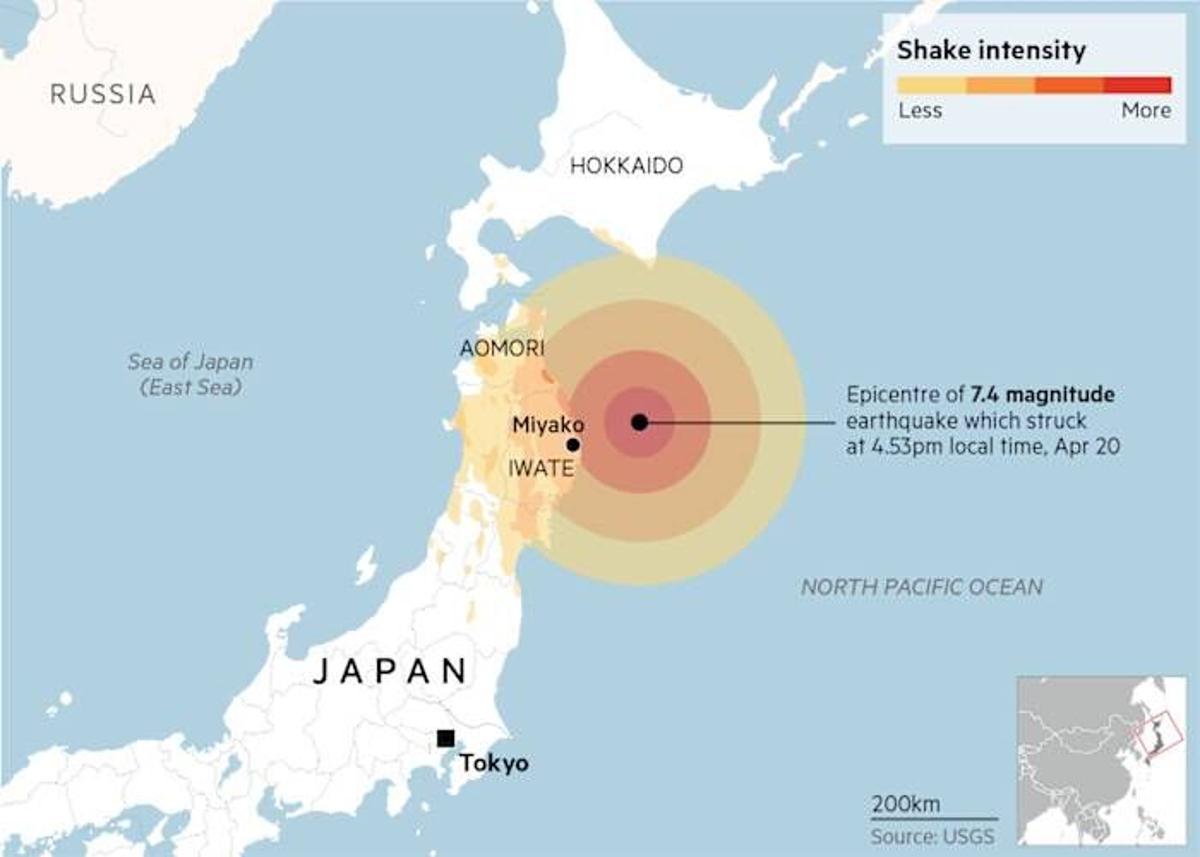
Japan’s northeast region is a linchpin for the semiconductor ecosystem, hosting a cluster of NAND flash fabs, wafer producers, and specialty material plants. The April 20 quake, registering 7.7 on the Richter scale, forced immediate safety checks across the area. While airports and nuclear sites remained operational, the abrupt halt at Kioxia’s Iwate facilities—responsible for up to 8% of worldwide NAND output—raised alarms among device manufacturers already grappling with high inventory turnover. Similarly, Tokyo Electron’s equipment hub, a critical supplier of lithography and deposition tools, paused shipments, potentially creating a ripple effect for downstream fabs.
The disruption extends beyond memory chips. Shin‑Etsu Chemical and SUMCO, two of Japan’s largest silicon wafer producers, temporarily suspended production in Miyagi and Fukushima. Early inspections suggest minimal damage, hinting at a swift restart, yet any delay can exacerbate wafer shortages in a market operating near full capacity. More concerning is the shutdown of a major photoresist plant in Fukushima, a material essential for patterning advanced nodes. Photoresist inventories are thin, and a weeks‑long outage could tighten supply, prompting higher prices and prompting chipmakers to adjust fab schedules.
For the broader industry, the event highlights the concentration risk inherent in a geographically clustered supply chain. Companies may accelerate diversification strategies, such as building fabs in alternative regions or securing multi‑source agreements for critical materials. Investors will watch inventory levels and pricing trends for NAND and photoresist closely, as even a short‑term squeeze can influence earnings forecasts for memory manufacturers and equipment suppliers alike.
Japan quake may disrupt semiconductor supply chain, hit NAND and photoresist output
Comments
Want to join the conversation?
Loading comments...