Musk’s AI Compute Empire Takes Shape as xAI Plans $119B Chip Factory, Sells Spare Capacity to Anthropic, and Battles OpenAI in Court

Why It Matters
The initiatives could reshape AI hardware supply chains and cloud competition while Musk’s legal battle may influence governance norms and future collaborations in the fast‑moving AI sector.
Key Takeaways
- •xAI plans $119 billion Texas chip fab for AI, rockets, vehicles
- •Anthropic receives full capacity of Colossus 1, boosting its compute limits
- •xAI shifts from model competition to selling spare cloud capacity
- •Musk's lawsuit revisits 2017 OpenAI control dispute, highlighting governance risks
Pulse Analysis
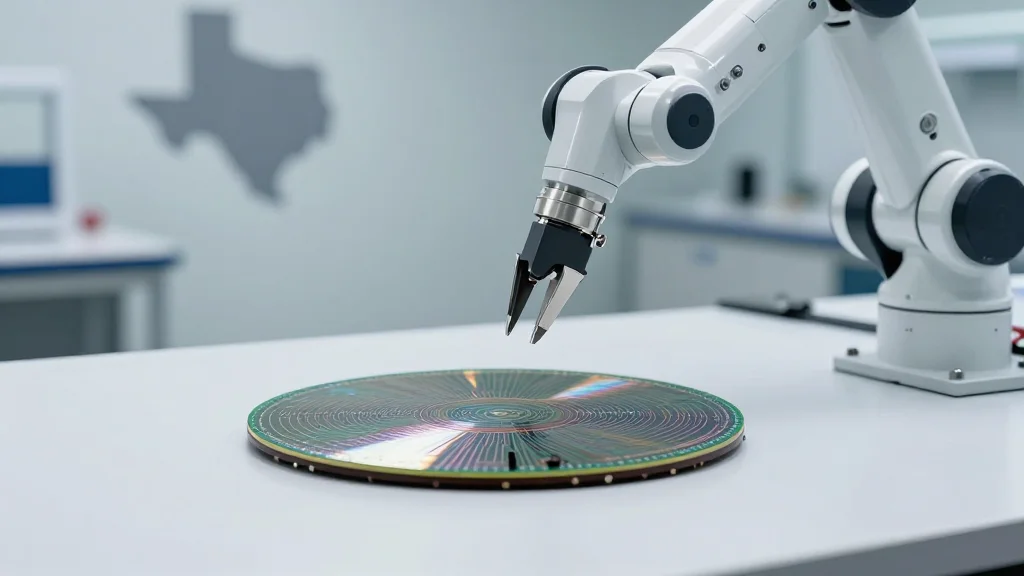
The AI industry is entering a new era of vertical integration, as hardware bottlenecks force leading players to secure their own silicon pipelines. Musk’s proposed $119 billion "Terafab" in Grimes County, Texas, mirrors similar moves by Nvidia and Samsung, but its scope—serving AI servers, satellite constellations, autonomous fleets and even orbital data centres—makes it one of the most ambitious projects to date. By controlling chip design and fabrication, Musk aims to reduce reliance on external foundries, lower costs, and accelerate time‑to‑market for his diverse portfolio of AI‑driven products.
At the same time, xAI’s decision to lease the full capacity of its Colossus 1 data centre to Anthropic signals a strategic pivot toward a cloud‑service model. Unlike Google Cloud, which often throttles external usage to protect its own AI models, or Meta’s internal‑only infrastructure, xAI is openly monetising spare compute. This approach not only generates immediate revenue but also creates a new competitive front where compute becomes a tradable commodity, potentially lowering barriers for emerging AI firms that lack their own hardware.
The backdrop of Musk’s lawsuit against former OpenAI co‑founders adds a governance dimension to the narrative. By revisiting the 2017 power struggle that led to OpenAI’s $1 billion Microsoft partnership, the case highlights the risks of founder disputes and the importance of clear ownership structures in AI ventures. As the industry grapples with rapid innovation, the outcome could set precedents for how AI startups negotiate equity, control, and collaboration, influencing future investment and partnership strategies across the sector.
Musk’s AI Compute Empire Takes Shape as xAI Plans $119B Chip Factory, Sells Spare Capacity to Anthropic, and Battles OpenAI in Court
Comments
Want to join the conversation?
Loading comments...