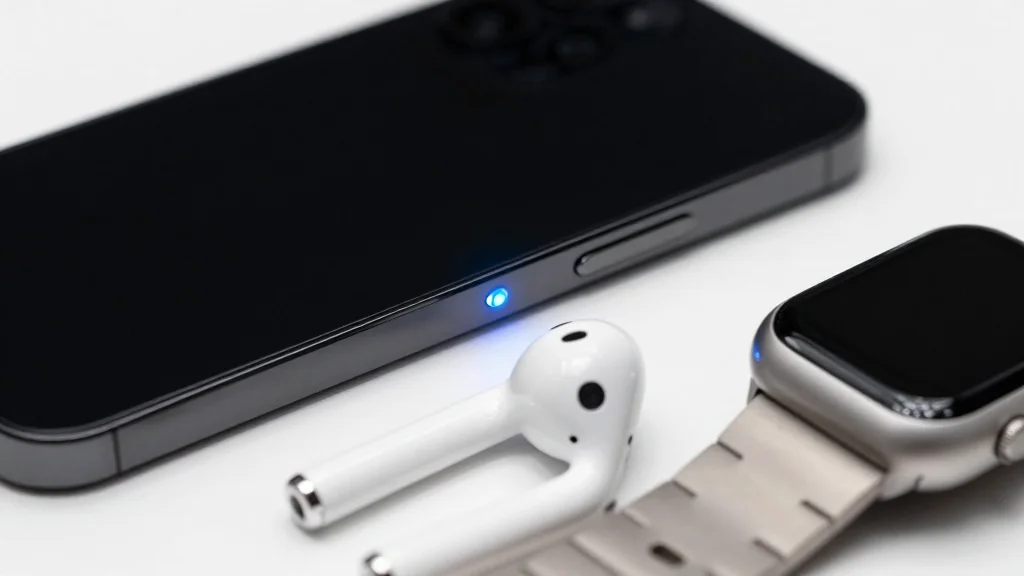
NearLink’s Next Phase: From Smartphones to Peripherals, but Still China-Centric
Why It Matters
The technology’s smartphone‑driven momentum could reshape Chinese consumer IoT, while its limited global rollout may confine NearLink to a regional, complementary role versus established standards like Bluetooth and UWB.
Key Takeaways
- •12 million NearLink smartphones expected by 2026, Huawei-led ecosystem
- •Peripheral shipments (earbuds, keyboards) projected at 11 million units in 2026
- •2027 growth to focus on consumer IoT peripherals, fastest segment
- •NearLink uses dual SLE (connectivity) and SLP (ranging) architecture
- •International rollout remains pre‑commercial; adoption stays China‑centric
Pulse Analysis
NearLink’s rise is tightly coupled with China’s smartphone market, where Huawei’s expansive ecosystem provides a fertile launchpad. Technotrend’s forecast of over 12 million NearLink‑enabled phones by 2026 signals a substantial volume base that can serve as a gateway for a broader suite of connected devices. This smartphone‑first strategy mirrors earlier connectivity rollouts, leveraging high‑penetration devices to seed user adoption and create network effects across ancillary peripherals.
Looking ahead to 2027, NearLink is poised to transition from a smartphone‑centric model to a consumer‑IoT focus, with peripherals such as TWS earbuds, keyboards, mice and gaming controllers identified as the fastest‑growing segments. The dual‑technology architecture—SparkLink Low Energy for ultra‑low latency communication and SparkLink Low Power for UWB‑like ranging—offers a compelling blend of performance and spatial awareness. Manufacturers are also embracing hybrid connectivity, pairing NearLink with emerging Bluetooth 6.0 standards to retain backward compatibility while exploiting NearLink’s superior multi‑channel capabilities, a pragmatic move that could ease market entry.
Despite these technical advantages, NearLink’s expansion beyond China remains embryonic. Early initiatives in Japan and Europe are largely ecosystem‑building exercises, lacking the commercial scale of entrenched standards such as Bluetooth and UWB. Consequently, NearLink is likely to remain a complementary technology within tightly controlled ecosystems rather than a disruptive global standard, limiting its impact on broader IoT supply chains and cross‑industry adoption.
NearLink’s Next Phase: From Smartphones to Peripherals, but Still China-Centric
Comments
Want to join the conversation?
Loading comments...