Next-Generation Computing Relies on Extremely Thin Semiconductors—Now There's a Better Way to Make Them
Why It Matters
The method enables mass production of ultra‑thin, high‑performance semiconductors, accelerating next‑generation CPUs and quantum devices while reducing manufacturing bottlenecks.
Key Takeaways
- •Acid‑treated CVD matches Scotch‑tape crystal quality
- •Scalable process enables industrial‑level monolayer production
- •High‑quality monolayers boost transistor mini‑scaling
- •Breakthrough could accelerate quantum device development
Pulse Analysis
The race to shrink transistors has pushed the semiconductor industry toward monolayer materials, whose atomic‑scale thickness promises faster switching speeds and lower power consumption. Traditional chemical vapor deposition (CVD) offers a path to large‑area films, but uncontrolled vaporization often creates lattice defects, limiting device performance. Conversely, the mechanical exfoliation “Scotch‑tape” technique yields pristine crystals but cannot meet the volume demands of commercial fabs, leaving a critical gap between quality and scalability.
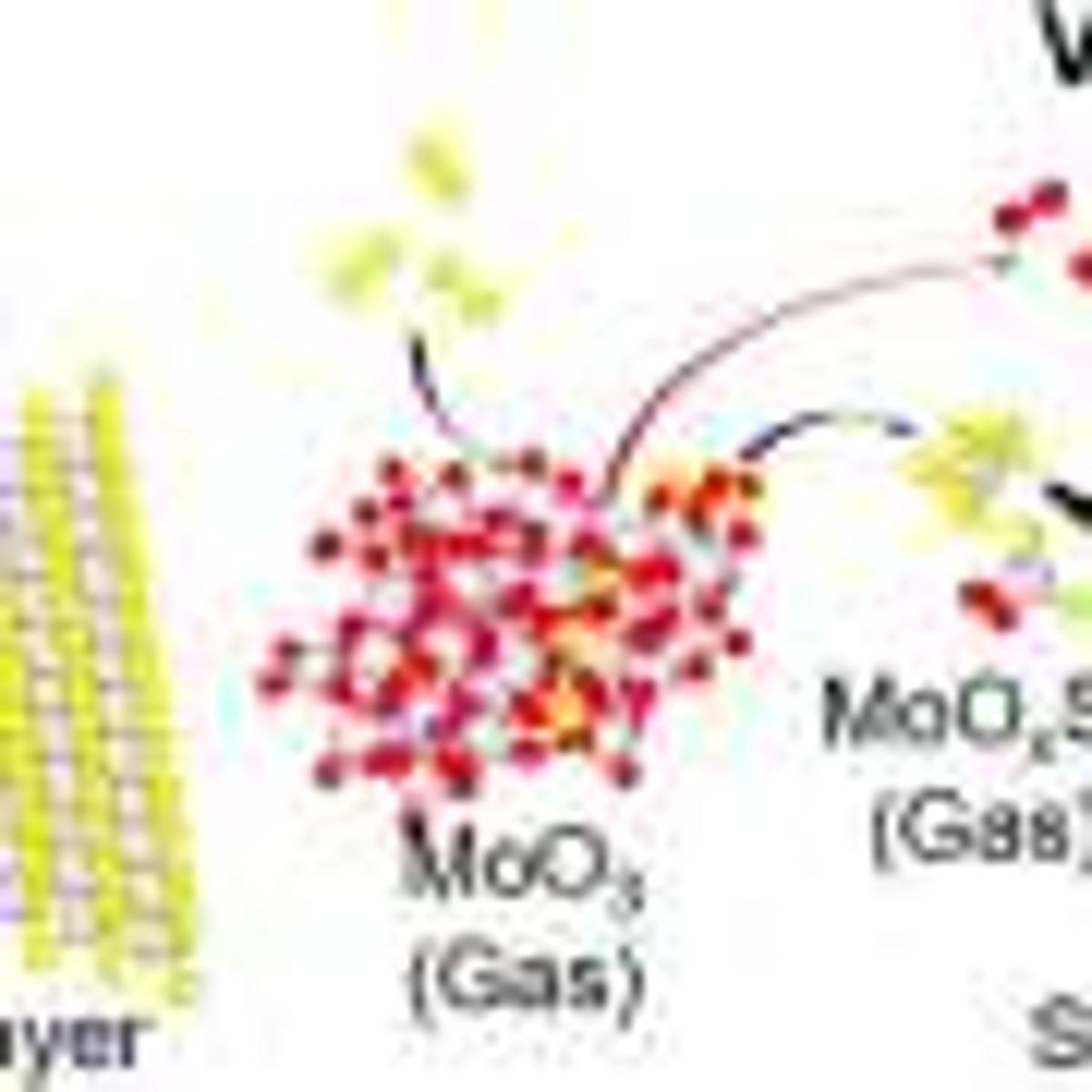
Su’s team addressed this gap by pre‑treating CVD precursors with an acidic solution, effectively anchoring the reactive species to the substrate during growth. This simple chemical adjustment curtails unwanted by‑products, producing continuous, defect‑free monolayers that rival the crystal perfection of exfoliated samples. The approach retains the throughput advantages of CVD—continuous roll‑to‑roll processing and compatibility with existing furnace infrastructure—while delivering the material integrity needed for high‑frequency logic and emerging quantum architectures.
The implications extend beyond academic curiosity. Chipmakers can now contemplate integrating transition‑metal dichalcogenide monolayers into mainstream manufacturing lines, unlocking new device geometries and heterostructures that were previously confined to prototype labs. Faster, more efficient CPUs and scalable quantum bits could emerge, reshaping the competitive landscape of computing hardware. As the industry seeks to sustain Moore’s Law through novel materials, this acid‑mediated CVD breakthrough positions itself as a pivotal enabler for the next wave of electronic innovation.
Next-generation computing relies on extremely thin semiconductors—now there's a better way to make them
Comments
Want to join the conversation?
Loading comments...