Power Corner: IDEAL’s SuperQ Tapping Si’s Potential Beyond Superjunction
Why It Matters
SuperQ promises silicon‑based power devices that match or exceed wide‑bandgap efficiency while retaining silicon’s robustness and lower cost, potentially reshaping the power‑electronics supply chain.
Key Takeaways
- •SuperQ uses high‑K dielectric trenches, reducing blocking area to ~5%
- •Manufacturing relies on CMOS‑compatible ALD and trench etching processes
- •Platform scales from 60 V to 1,200 V across multiple applications
- •Offers comparable switching loss to GaN with superior robustness
- •Aims to balance cost and performance, extending silicon’s market lead
Pulse Analysis
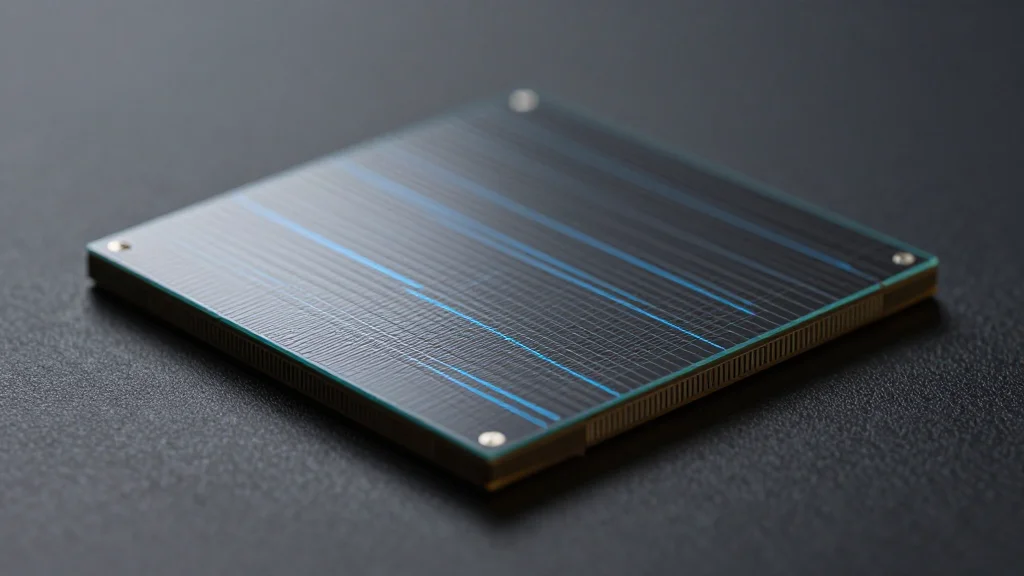
The power‑electronics landscape has been dominated by a narrative that wide‑bandgap (WBG) materials such as silicon‑carbide (SiC) and gallium‑nitride (GaN) will inevitably replace silicon. iDEAL’s SuperQ challenges that premise by re‑engineering the charge‑compensation architecture of silicon MOSFETs. Instead of the conventional superjunction (SJ) design that relies on alternating P‑N pillars, SuperQ embeds an ultra‑thin, high‑dielectric‑constant film inside high‑aspect‑ratio trenches. This asymmetrical structure confines the voltage‑blocking function to a fraction of the die, allowing the remaining silicon area to conduct current with dramatically reduced on‑resistance. The result is a device that delivers lower RDS(on) for a given voltage rating without sacrificing avalanche capability, dV/dt, di/dt immunity, or high‑temperature reliability—attributes where silicon traditionally excels.
From a manufacturing perspective, SuperQ’s reliance on atomic‑layer deposition (ALD) and trench etching aligns with equipment already deployed in mainstream CMOS and memory fabs. iDEAL has demonstrated that these processes can be adapted for power MOSFET production, opening a pathway for high‑volume, cost‑effective fabrication without the need for dedicated, expensive SJ tooling. This compatibility not only shortens time‑to‑market but also leverages the economies of scale inherent in the broader semiconductor ecosystem, potentially driving down the total cost of ownership for power modules across automotive, industrial, and AI‑driven workloads.
Strategically, SuperQ positions silicon as a viable, competitive alternative in voltage classes up to 1,200 V, covering motor drives, industrial power supplies, automotive inverters, and high‑efficiency audio amplifiers. By delivering a balanced figure of merit—combining low conduction and switching losses with robust surge and temperature performance—SuperQ can capture applications where reliability and cost are paramount, areas where WBG devices still face price and integration hurdles. If the technology scales as promised, it could temper the industry’s rapid shift toward SiC and GaN, preserving silicon’s dominant market share while offering a fresh avenue for efficiency gains.
Power Corner: iDEAL’s SuperQ Tapping Si’s Potential Beyond Superjunction
Comments
Want to join the conversation?
Loading comments...