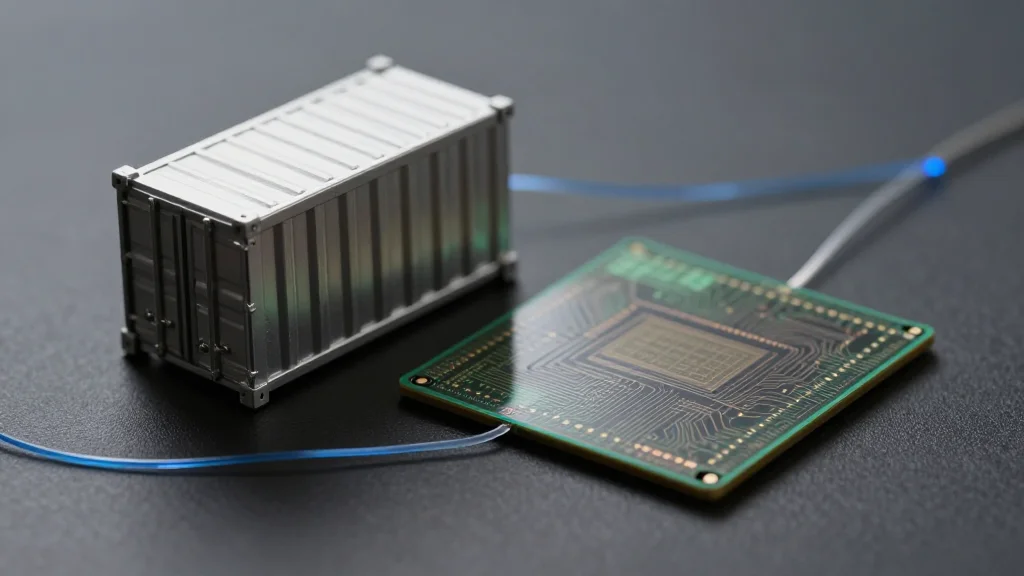
Shifting Supply Chains in the Era of Photonics
Why It Matters
Supply‑chain realignment will determine which photonics firms can meet exploding demand and sustain margins, reshaping the broader high‑tech ecosystem.
Key Takeaways
- •Component shortages drive supplier diversification
- •Digital twins optimize photonics logistics
- •Geopolitical risk accelerates regional fabs
- •AI enhances demand forecasting
- •Vertical integration cuts lead times
Pulse Analysis
Photonic technologies—ranging from laser diodes to integrated optical chips—are moving from niche applications to core infrastructure in data centers, autonomous vehicles, and emerging quantum systems. This surge has exposed fragile supply‑chain structures that were once adequate for low‑volume production. Today, manufacturers face a confluence of semiconductor fab capacity constraints, rare‑earth material scarcity, and trade‑policy volatility. To stay competitive, firms are forging strategic partnerships with wafer foundries, establishing multi‑sourcing agreements for critical substrates, and investing in on‑shoring initiatives that reduce exposure to cross‑border disruptions.
Digital transformation plays a pivotal role in this shift. Advanced analytics, AI‑driven demand forecasting, and digital twin simulations enable companies to model end‑to‑end logistics in real time, identifying bottlenecks before they materialize. By integrating IoT sensors across the supply chain, firms gain granular visibility into inventory levels, transit conditions, and equipment health, allowing for dynamic rerouting and inventory optimization. These capabilities not only shorten lead times but also lower total cost of ownership, a crucial advantage as photonic components become price‑sensitive commodities.
The strategic implications extend beyond operational efficiency. Companies that secure resilient, flexible supply chains can accelerate product rollouts, capture market share in fast‑growing sectors, and command premium pricing. Conversely, firms stuck with single‑source suppliers risk production delays and margin erosion. Investors and executives should therefore monitor supply‑chain diversification metrics, regional fab investments, and the adoption of AI‑enabled logistics platforms as leading indicators of future performance in the photonics arena.
Shifting supply chains in the era of photonics
Comments
Want to join the conversation?
Loading comments...