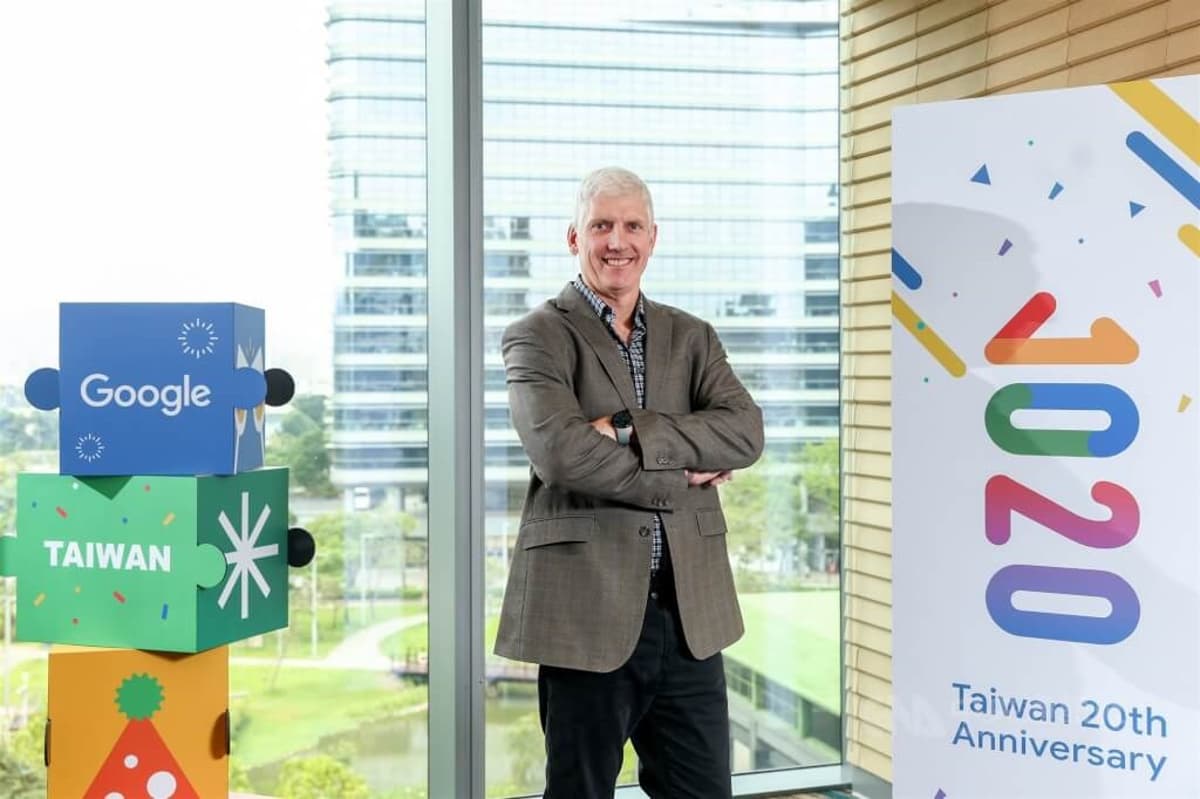
Taiwan Plays 'Central Role' In AI-Based Computing Transition: Google
Companies Mentioned
Why It Matters
Taiwan’s ecosystem accelerates Google’s AI hardware roadmap, giving the company a competitive edge in delivering integrated AI experiences across enterprise and consumer markets. The move signals broader industry reliance on Taiwan’s semiconductor and design talent for next‑gen computing.
Key Takeaways
- •Google cites Taiwan R&D as pivotal for AI computing shift
- •Partnerships with MediaTek and TSMC boost Google’s hardware innovation
- •New “Personal Intelligence” feature launched in Taiwan on April 15
- •Gemini integration enables AI‑driven task automation across Google services
- •AI‑native devices will require redesign of UI and underlying tech
Pulse Analysis
Taiwan’s semiconductor prowess has long underpinned global tech, and Google’s recent remarks underscore how the island’s talent pool is now a linchpin for AI‑centric hardware development. By leveraging MediaTek’s system‑on‑chip expertise and TSMC’s advanced process nodes, Google can iterate faster on custom silicon that powers its Gemini models. This collaboration shortens the time‑to‑market for AI‑enhanced devices, positioning Google ahead of rivals still dependent on external chip designs.
The launch of Personal Intelligence in Taiwan illustrates Google’s strategy to embed AI deeper into everyday user experiences. By aggregating interaction histories from Gmail, Photos, and other services, the feature delivers context‑aware suggestions that feel native to the user’s workflow. This rollout serves as a testbed for broader deployment, allowing Google to refine privacy safeguards and model performance before scaling globally. The move also signals a shift toward a unified AI stack where cloud, mobile, and edge devices share a common intelligence layer.
Looking forward, the transition to AI‑native devices will reshape product design across the industry. Traditional UI paradigms, built around discrete applications, must evolve into fluid, intent‑driven experiences powered by on‑device inference. Google’s emphasis on rethinking both hardware and software architectures hints at a future where devices proactively anticipate user needs, from automating ride bookings to real‑time content generation. Companies that can replicate Taiwan’s collaborative ecosystem—combining cutting‑edge silicon, robust talent, and agile R&D—will be best positioned to lead this next wave of computing.
Taiwan plays 'central role' in AI-based computing transition: Google
Comments
Want to join the conversation?
Loading comments...