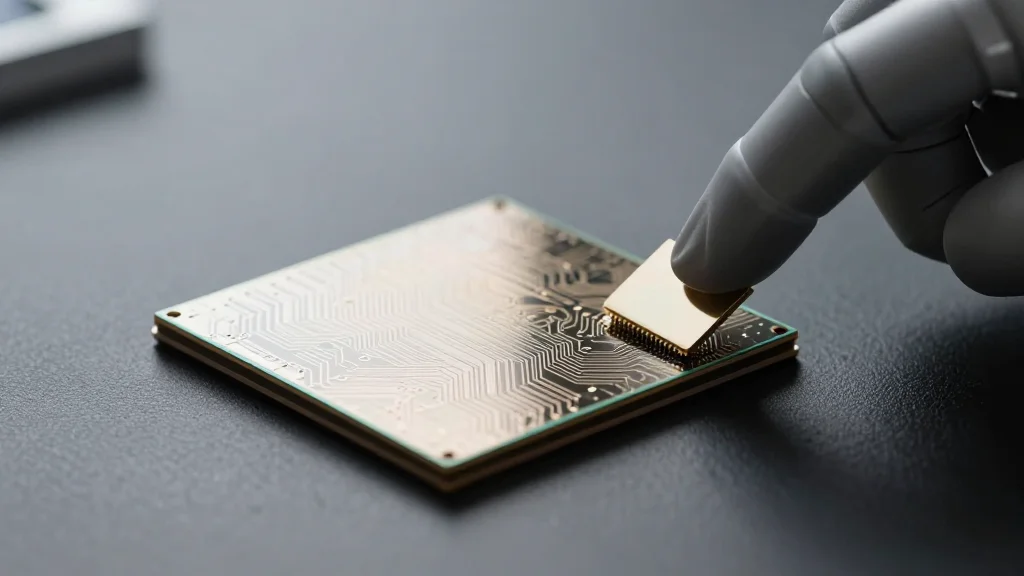
When Wireless Looked Golden
Companies Mentioned
Why It Matters
The moves signal Qualcomm’s push to control both chipset performance and display technology, shaping the next wave of data‑intensive mobile services and setting new industry standards for hardware integration.
Key Takeaways
- •Qualcomm predicts wireless memory shipments will eclipse PC memory by 2008
- •Company urges 80‑90% fab capacity utilization before new plant builds
- •Interoperability issues likened to early SMS challenges
- •Acquired Iridigm for $170 M to secure advanced MEMS displays
- •Display performance deemed critical for wireless Internet growth
Pulse Analysis
Qualcomm’s 2026 outlook underscores how rapidly wireless demand has outstripped traditional computing. Jha’s claim that memory bits shipped in phones would surpass PCs by 2008 reflects a broader shift toward data‑heavy applications, from streaming video to cloud‑based services. The push for GHz‑class processors in handsets anticipates the computational horsepower needed for real‑time AI, augmented reality, and high‑resolution media, positioning wireless as the new frontier for consumer computing.
The company’s fabless model, while offering flexibility, has exposed supply bottlenecks that threaten market leadership. Jha’s recommendation to keep fabs running at 80‑90% capacity for half a decade before expanding is a strategic hedge against volatile demand cycles. By acquiring Iridigm for $170 million, Qualcomm moves beyond pure silicon, integrating MEMS‑based, zero‑static‑current displays that deliver exceptional brightness with minimal power draw. This vertical integration aims to secure a differentiated handset experience and reduce reliance on external display suppliers.
The emphasis on display technology signals a pivotal evolution: a wireless Internet experience that rivals, or even exceeds, wired broadband. High‑brightness, low‑power screens enable outdoor usage and richer content consumption, essential for emerging services like 8K video streaming and immersive AR. As competitors scramble to match Qualcomm’s chipset‑display synergy, the industry may see accelerated convergence of processing and visual technologies, reshaping device design, carrier offerings, and ultimately, consumer expectations of mobile connectivity.
When Wireless Looked Golden
Comments
Want to join the conversation?
Loading comments...