Why Chip Sovereignty Is No Longer About Chips—But Systems
Companies Mentioned
Why It Matters
The shift to system‑centric AI compute redefines national semiconductor strategies, making supply‑chain resilience and system performance more critical than sheer fab capacity.
Key Takeaways
- •AI advantage shifting from chips to full compute systems
- •Advanced packaging and chiplet designs enable heterogeneous architectures
- •Supply‑chain chokepoints lie in materials, chemicals, not just fabs
- •Regions should leverage strengths, avoid full self‑sufficiency
- •Policy focus must move to system‑level performance and supply security
Pulse Analysis
The rise of generative AI has turned the semiconductor value chain upside down. While traditional chip sovereignty focused on owning fabs, the real competitive moat now resides in the ability to assemble heterogeneous compute systems. AI workloads demand tight integration of GPUs, high‑performance CPUs, specialized accelerators, ultra‑fast memory bandwidth, and orchestration software. Companies that can co‑design these elements—often through chiplet‑based architectures—deliver the performance needed for agentic workflows that span ERP, CRM, and data‑intensive applications.
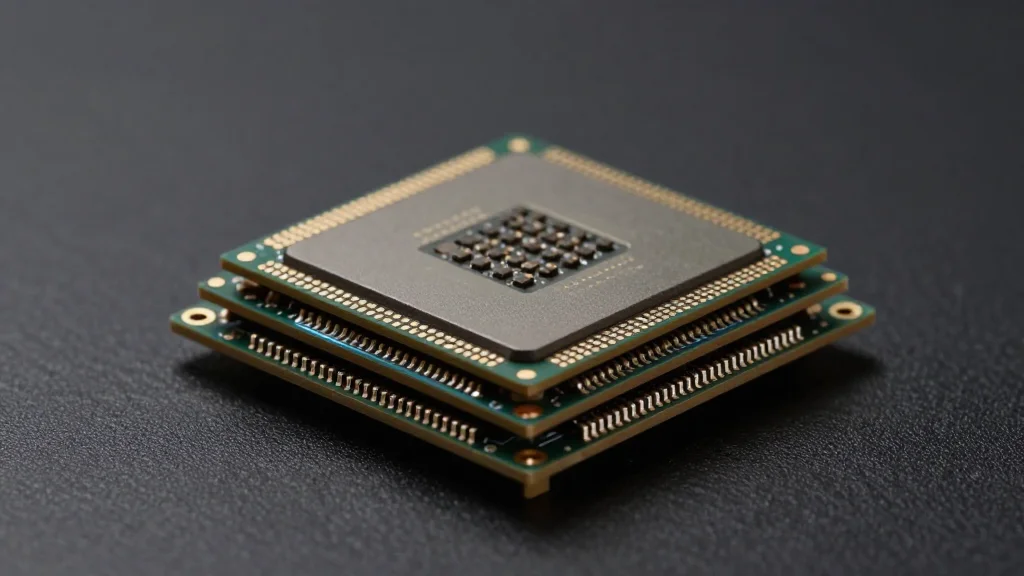
Advanced packaging, including 3‑D stacking and interposer technologies, has become the linchpin of this new stack. By allowing disparate compute blocks to be bonded at wafer level, packaging dramatically improves power efficiency and latency, turning a collection of chips into a single, scalable engine. The expertise and capacity for such packaging remain concentrated in Taiwan and South Korea, creating a geopolitical hotspot that mirrors earlier fab‑centric concerns. Meanwhile, the upstream supply chain—rare gases, photoresists, and precision tooling—represents a less visible but equally critical vulnerability that can disrupt entire production lines.
Policymakers in the U.S., Europe and Asia are therefore urged to recalibrate their semiconductor strategies. Instead of chasing full domestic fab self‑sufficiency, they should invest in system‑level R&D, secure access to niche materials, and nurture a diversified ecosystem of design, packaging and software talent. By aligning national strengths—U.S. system architecture, Europe’s materials expertise, Asia’s packaging prowess—countries can build a resilient, high‑value semiconductor landscape that supports the AI‑driven future without overextending resources.
Why Chip Sovereignty Is No Longer About Chips—But Systems
Comments
Want to join the conversation?
Loading comments...