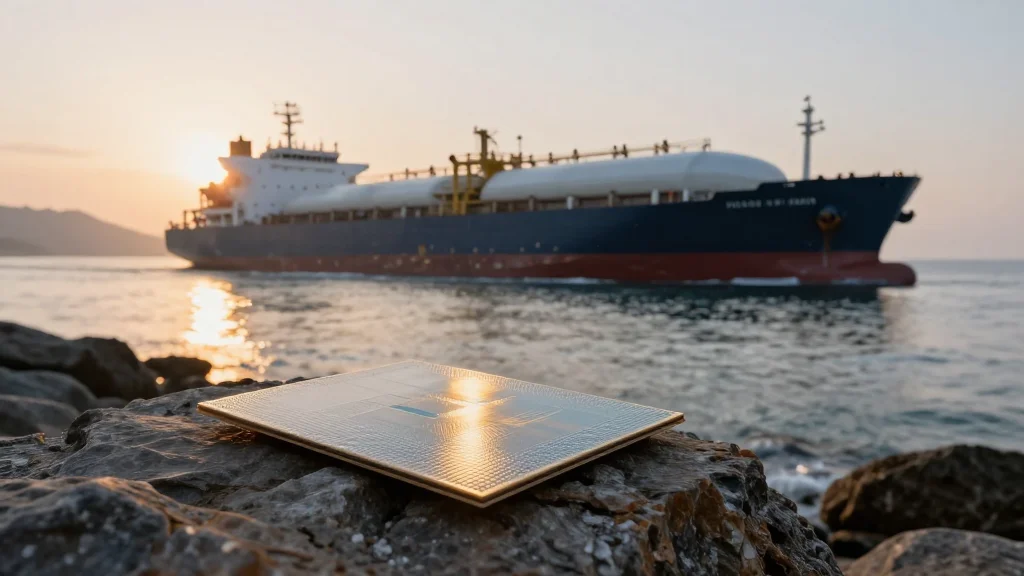
Why the Strait of Hormuz Is a Semiconductor Crisis Waiting to Happen
Why It Matters
LNG‑dependent power supplies create a single‑point vulnerability that can halt chip production, directly affecting global technology supply chains and earnings.
Key Takeaways
- •Hormuz chokepoint supplies ~20% of global LNG, 83% to Asia
- •LNG‑fed power grids underpin semiconductor fab energy needs
- •Power shocks threaten EUV lithography throughput and AI chip production
- •Diversifying energy sources boosts fab resilience and Scope 2 emissions
- •TechInsights' EcoInsights quantifies exposure to fuel‑route risks
Pulse Analysis
The Strait of Hormuz, long viewed through the lens of oil politics, now looms as a strategic choke point for the semiconductor industry. Roughly 20% of the world’s liquefied natural gas passes through the narrow waterway, with the bulk destined for power plants in Taiwan, South Korea and other Asian hubs. These LNG‑fed grids provide the megawatt‑class electricity required by EUV lithography tools, making any supply interruption a direct threat to chip output and, by extension, the global tech ecosystem.
Modern fabs are no longer just electricity consumers; they demand uninterrupted, high‑quality power to sustain ultra‑precise manufacturing processes. AI‑driven demand for 2.5D, 3D and chiplet architectures has pushed advanced packaging into energy‑intensive territory, magnifying the impact of even brief grid disturbances. Beyond the immediate cost of power, instability can erode yield, delay maintenance cycles and stall capacity ramps, turning a fuel‑price spike into a full‑scale production crisis. This reality blurs the line between ESG initiatives and operational risk—clean, diversified energy sources now serve both carbon‑reduction goals and business continuity.
Recognizing the systemic nature of the threat, semiconductor leaders are reassessing site selection, grid partnerships and renewable integration. Companies that locate fabs in regions with a resilient, low‑carbon power mix gain a competitive edge in both emissions reporting and risk mitigation. Tools like TechInsights’ EcoInsights translate macro‑level energy geopolitics into actionable, fab‑level metrics, allowing executives to prioritize investments in grid upgrades, on‑site renewables and diversified fuel contracts. In a market where supply chain shocks quickly translate to revenue volatility, energy security has become a decisive factor in strategic planning.
Why the Strait of Hormuz is a Semiconductor Crisis Waiting to Happen
Comments
Want to join the conversation?
Loading comments...