Key Takeaways
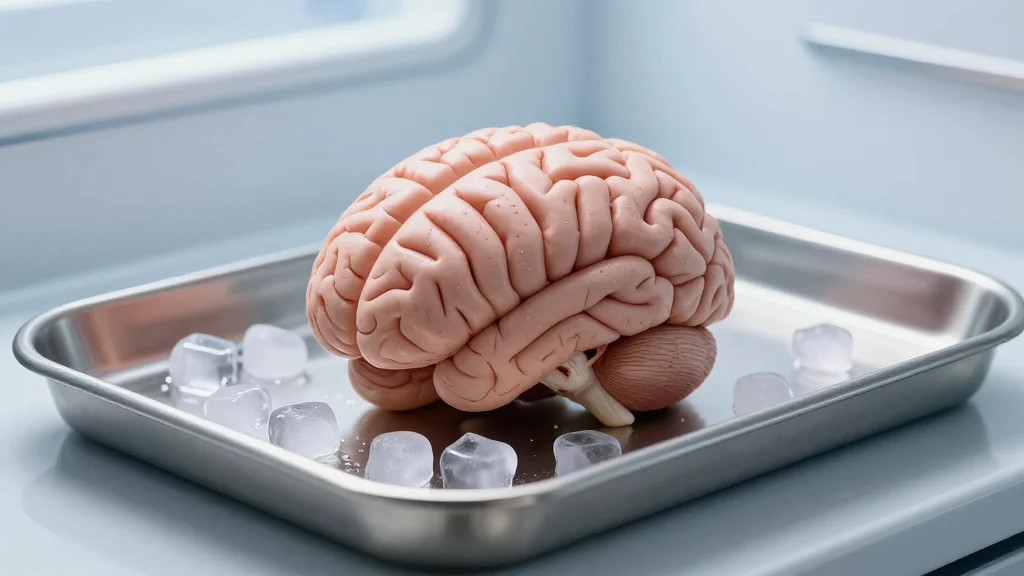
- •Brain shipping raises question of death during disassembly and reassembly
- •Copy placed in puzzle trap tests value of pre‑copy preparation
- •Elevator thought experiment explores probability of experiencing original vs copy
- •Accelerated atomic turnover drug challenges future self‑welfare valuation
- •Memory alteration and lighting swap blur distinction between original and copy
Pulse Analysis
The brain‑shipment thought experiment mirrors current organ‑preservation practices, yet pushes the boundary from tissue to identity. By cooling and segmenting a brain for transport, scientists would confront whether consciousness survives disassembly, echoing debates in cryonics and prospective mind‑uploading. This raises legal questions about death certification and inheritance, while also informing bio‑ethical guidelines for future neurosurgical procedures that might temporarily suspend cognition.
Copy‑centric scenarios—such as a duplicate trapped in a Saw‑style puzzle or an elevator with unknown exits—highlight how probability and preparation intersect with self‑perception. If a copy can solve a problem before being instantiated, does the original gain any advantage, or is the experience entirely independent? These puzzles feed directly into AI alignment discussions, where duplicated agents may need distinct rights or responsibilities. They also foreshadow potential courtroom challenges about liability when multiple conscious instances share a single legal identity.
Finally, the imagined drug that accelerates atomic turnover forces a reevaluation of future‑self discounting. If every cell is replaced a hundred times faster, the continuity of the ‘self’ may feel tenuous, prompting individuals to deprioritize long‑term welfare. Coupled with memory editing and environmental cues—like swapping room colors—the line between original and copy blurs further, suggesting that policy frameworks must account for fluid personal identity in an era of advanced neuro‑enhancement. Anticipating these shifts now can guide ethical standards and regulatory oversight as the science catches up with philosophy.
5 thought experiments on identity and copies
Comments
Want to join the conversation?