The Art of Being With Yourself
Yousra’s essay “The Art of Being With Yourself” explores why introverts crave solitude and how it fuels mental restoration and creativity. The piece explains the neuroscience of higher cortical arousal in introverts, showing that social interaction adds to an already active brain. It also addresses the cultural guilt tied to alone time and argues that framing solitude as a deliberate practice benefits personal well‑being and professional performance. Finally, the author encourages readers to embrace quiet moments without apology.

Where Faith Takes Root: Creating a Sacred Home in Ordinary Time
The new "Creating a Sacred Home" series invites Christians to weave prayer, hospitality, and liturgical rhythms into everyday household life during Ordinary Time. It emphasizes simple, intentional practices—like prayer corners, shared meals, and beauty in the home—rather than elaborate projects....
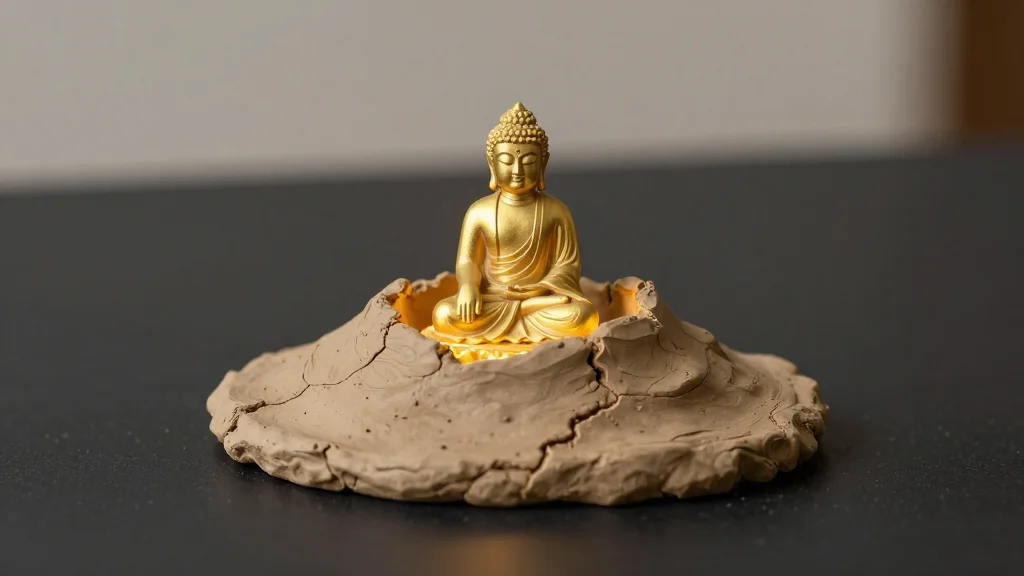
Good Enough ~ The Story of the Golden Buddha
The Golden Buddha at Wat Traimit, a 10‑foot, 5.5‑ton solid‑gold statue, was hidden beneath clay during the 1700s Burmese invasion. For over two centuries it was mistaken for an ordinary plaster figure until a 1955 relocation accident cracked the outer...

Renunciation Isn’t Burnout in Spiritual Clothing
The post argues that Buddhist renunciation is often mistaken for spiritual burnout, but it actually represents an expanded desire rooted in a broader understanding of existence. Rather than suppressing ambition, true renunciation emerges when one perceives life’s impermanence, karma and...

What Dark Retreat Offers (Andrew Holocek)
Andrew Holocek, a veteran Tibetan Buddhist practitioner, explains how dark retreats use sustained darkness to deepen clarity, creativity, and healing. He traces the practice to ancient wisdom traditions and argues that modern society’s light‑addiction creates an imbalance that darkness can...
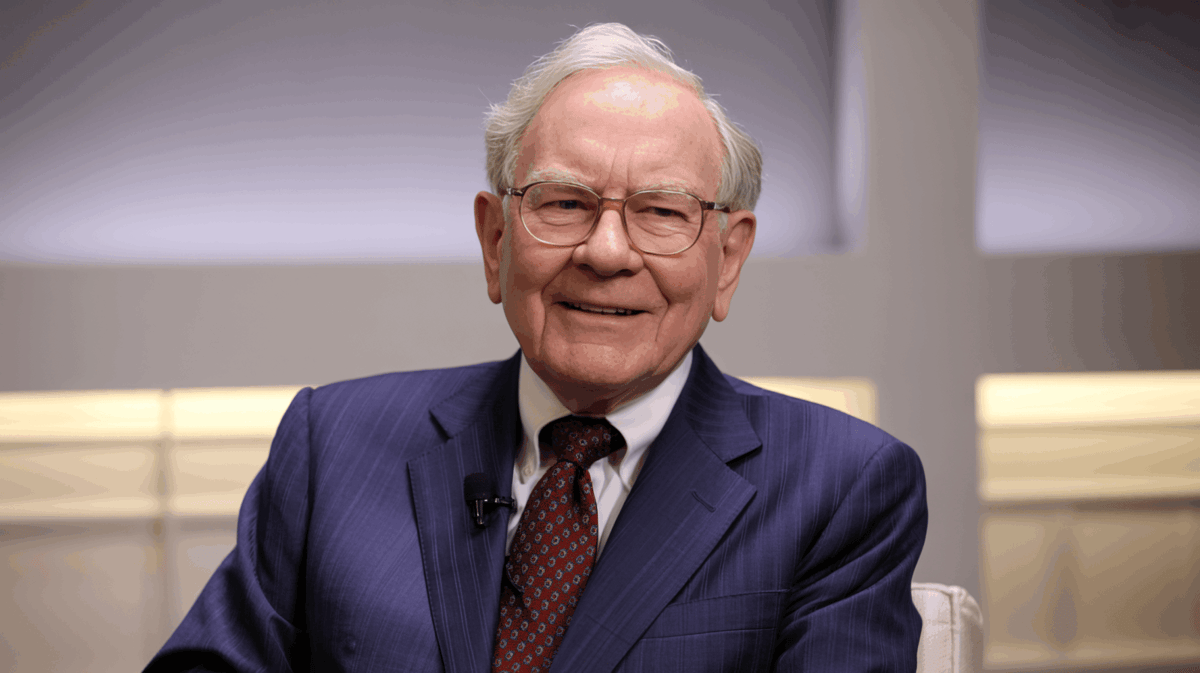
Warren Buffett Advice: How to Be Happy with Yourself (Simple Tips for Inner Happiness)
Renowned investor Warren Buffett shares five timeless principles for personal happiness, emphasizing an inner scorecard over external approval. He argues that wealth only magnifies existing character traits and cannot substitute for contentment. Buffett measures true success by the love received...

What Trees Know About Living Well (That We've Completely Forgotten)
Robert Moor’s book *In Trees* frames trees as a master class for living, urging readers to emulate growth, pruning, and rootedness. The essay distills six lessons—from maintaining a “branchy” mind through diverse experiences to embracing co‑flourishing and deep relationality. It...

Love and Liberation
The blog post “Love and Liberation” argues that love has been reshaped by supremacy culture into a conditional, transactional pursuit. It contends that this conditioning creates internal barriers—such as perfectionism, hyper‑independence, and people‑pleasing—that stem from systemic oppression rather than personal...
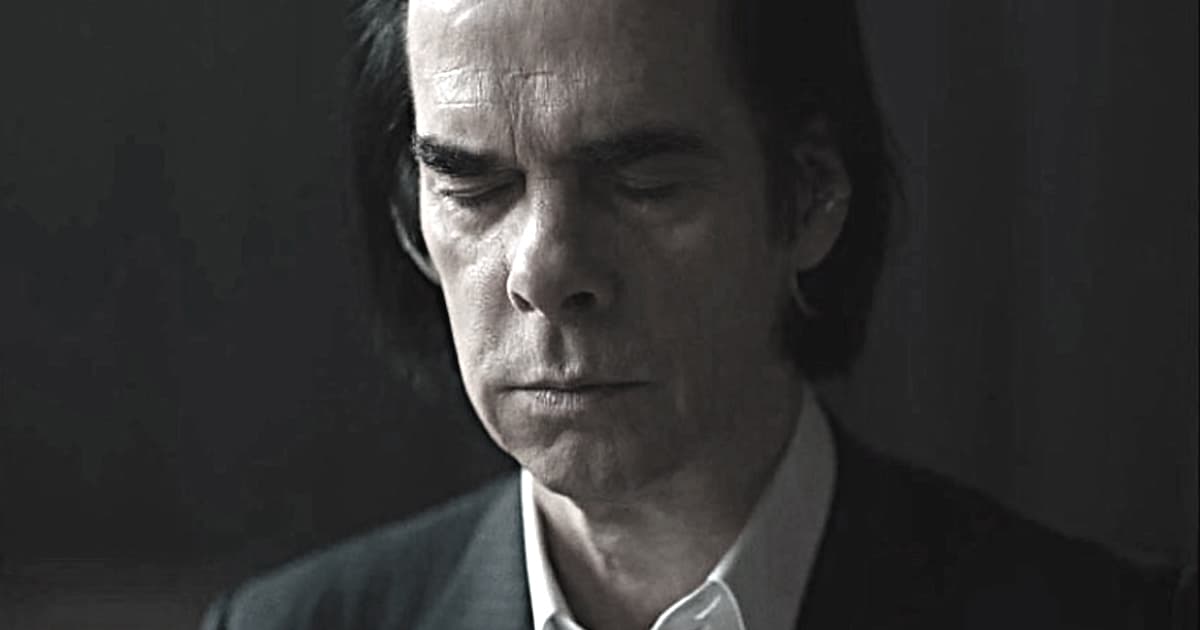
Nick Cave on the Two Pillars of a Meaningful Life
Nick Cave, the Australian singer‑songwriter and writer, advises that a meaningful life rests on two pillars: humility and curiosity. He argues humility helps us see everyone as imperfect, reducing isolation, while curiosity transforms disagreement into engaging conversation. Cave frames these...

"You May Henceforward Believe"
The post revisits William James’s 1898 Harvard lecture on the immortality of the soul, noting that he accepted the neuroscientific evidence that consciousness arises from the brain but challenged the logical steps that claim this proves death’s finality. James argues...
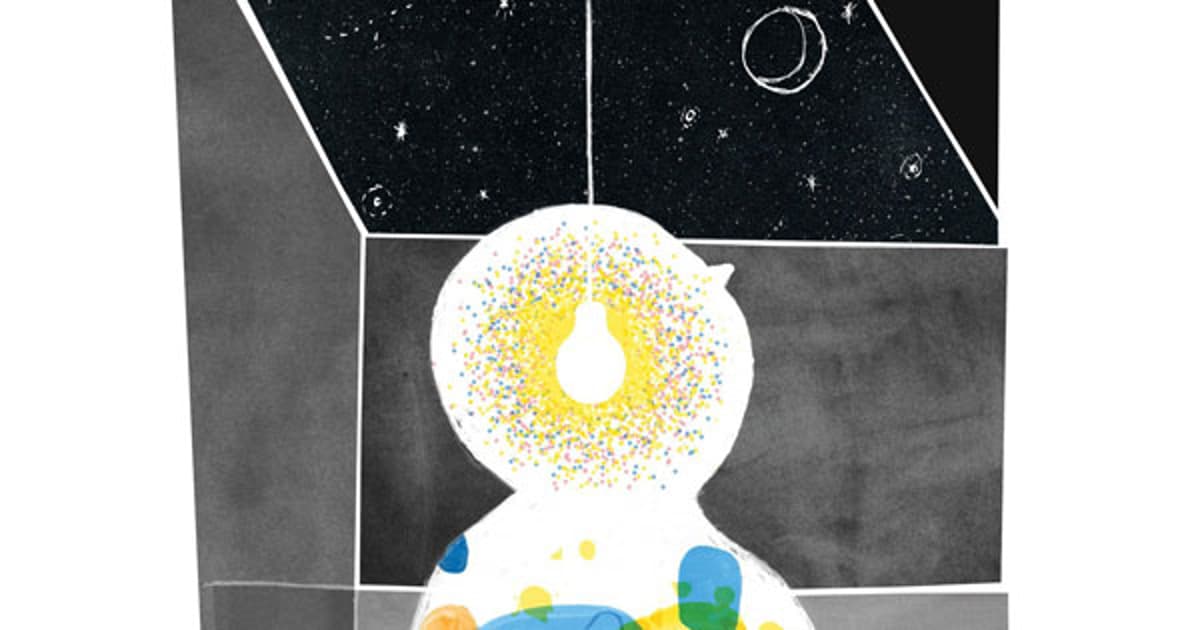
Middle Age and the Art of Self-Renewal: An Extraordinary Letter From Pioneering Education Reformer Elizabeth Peabody
Elizabeth Peabody, a 19th‑century education reformer, penned an 1838 letter warning that middle age, not youth, poses the greatest risk of complacency for gifted individuals. The letter argues that false wisdom can erode the divine spark of youthful dreams, urging...

Live: “How to Do Stoic Therapy” – Conversations with Modern Stoicism
Donald J. Robertson streamed a live video titled “How to do Stoic Therapy” through his Substack publication “Stoicism: Philosophy as a Way of Life.” The session walked participants through practical methods for applying Stoic principles to everyday mental‑health challenges. Viewers...

Nature Abhors a Vacuum
In a 1944 letter to Edith Gates, C.S. Lewis argues that loving one’s neighbor must flow from a prior love of God, echoing George MacDonald’s theology. He distinguishes genuine love as a deep state of being rather than a fleeting...

Universe & Us
The post “Universe & Us” by Pearl Zhu is a lyrical meditation that links humanity, the cosmos, and purposeful action. It blends vivid imagery with a call to turn awe into kinder choices and personal initiative. Shared on social media,...

From Then to Now
Pearl Zhu’s poetic manifesto chronicles a personal transformation from self‑doubt to confident influence. The piece traces the journey of turning fear into resilience, adopting an agile mindset, and reshaping one’s purpose into a visible personal brand. By rejecting external validation,...