
The Grace That Meets You in the Broken Places (Wilderness Warrior)
The latest Wilderness Warrior devotional, “The Grace That Meets You in the Broken Places,” invites readers to reframe personal weakness as a conduit for divine power. Drawing on 2 Corinthians 12:9‑10 and the Apostle Paul’s “thorn,” the author argues that God’s grace is fully sufficient in moments of brokenness. The piece encourages believers to abandon self‑reliance, voice their struggles, and let God’s strength operate through their vulnerability. It concludes with three reflective questions to help readers practice honest surrender.

The Great Schism
Aaron Everitt reflects on America’s perceived decline, likening its political fragmentation to the 1054 Great Schism. He argues that Trump is repositioning U.S. influence toward the Western Hemisphere to counter China and Russia while the dollar’s oil tie weakens amid...
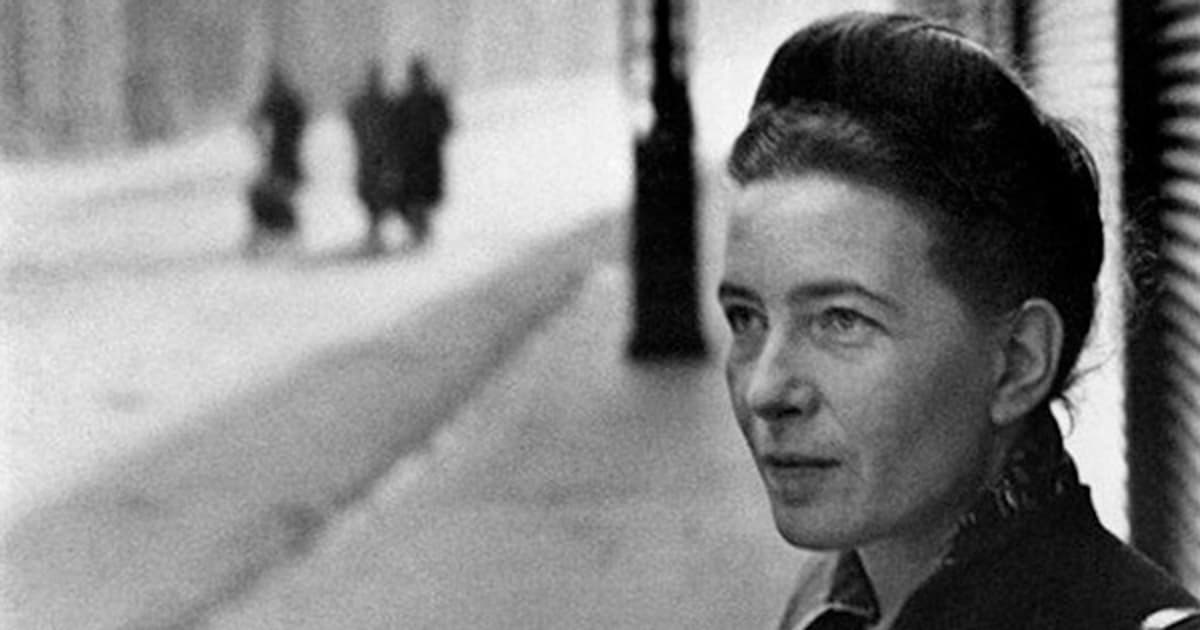
Simone De Beauvoir on Marriage and the Freedom to Change
Simone de Beauvoir’s 1926‑27 diary entry declares marriage immoral because it binds today’s self to a future self that will inevitably change. She frames the self as a fluid narrative, constantly reshaped by choices that are never final. Beauvoir urges...

La Crítica Interior
Mariana’s post spotlights the inner critic—what she calls “La impostora”—that erupts the split‑second before a high‑stakes speaking moment. Drawing on research that 70% of professionals face impostor syndrome, she highlights how bilingual workers often hear the voice in their second...

God Isn't Finished. You Just Can't See It Yet.
Starla’s latest "Coffee With Starla" column redefines biblical waiting by unpacking the Hebrew term *qavah*, which means to be bound together like twisted rope strands. She argues that waiting on God is an active, connective practice rather than passive patience,...

The Good Place
Brian’s latest Soil & Roots post argues that humans run on an inner “operating system” of ideas and desires that shape spiritual health more than intellectual beliefs. He distinguishes “ideas” – lived, relational realities – from “beliefs,” which are merely...

A Simple Way to Stop Carrying Thoughts All Day
The post advises a quick mental‑unloading technique: write down unfinished thoughts, tasks, and recurring ideas. By externalizing these items, the brain no longer has to keep them active, which eases the feeling of mental crowding. The author emphasizes that the...

Podcast Ep. 537 | Jerome
In episode 537 of The Minimalists, hosts Joshua, Ryan, and T.K. discuss the sudden passing of Joshua’s brother, Jerome. The conversation explores how to confront loss—whether through replacement or acceptance—and draws a clear line between processing grief and merely complaining....
5 Statements for when God Doesn't Make Sense
In this Substack devotional, the author shares five “tenable statements” – concise, defensible affirmations about God’s perfection, kindness, faithfulness, triumph and glory – to help believers navigate seasons of doubt and waiting. Each statement is framed as a spiritual “sword”...
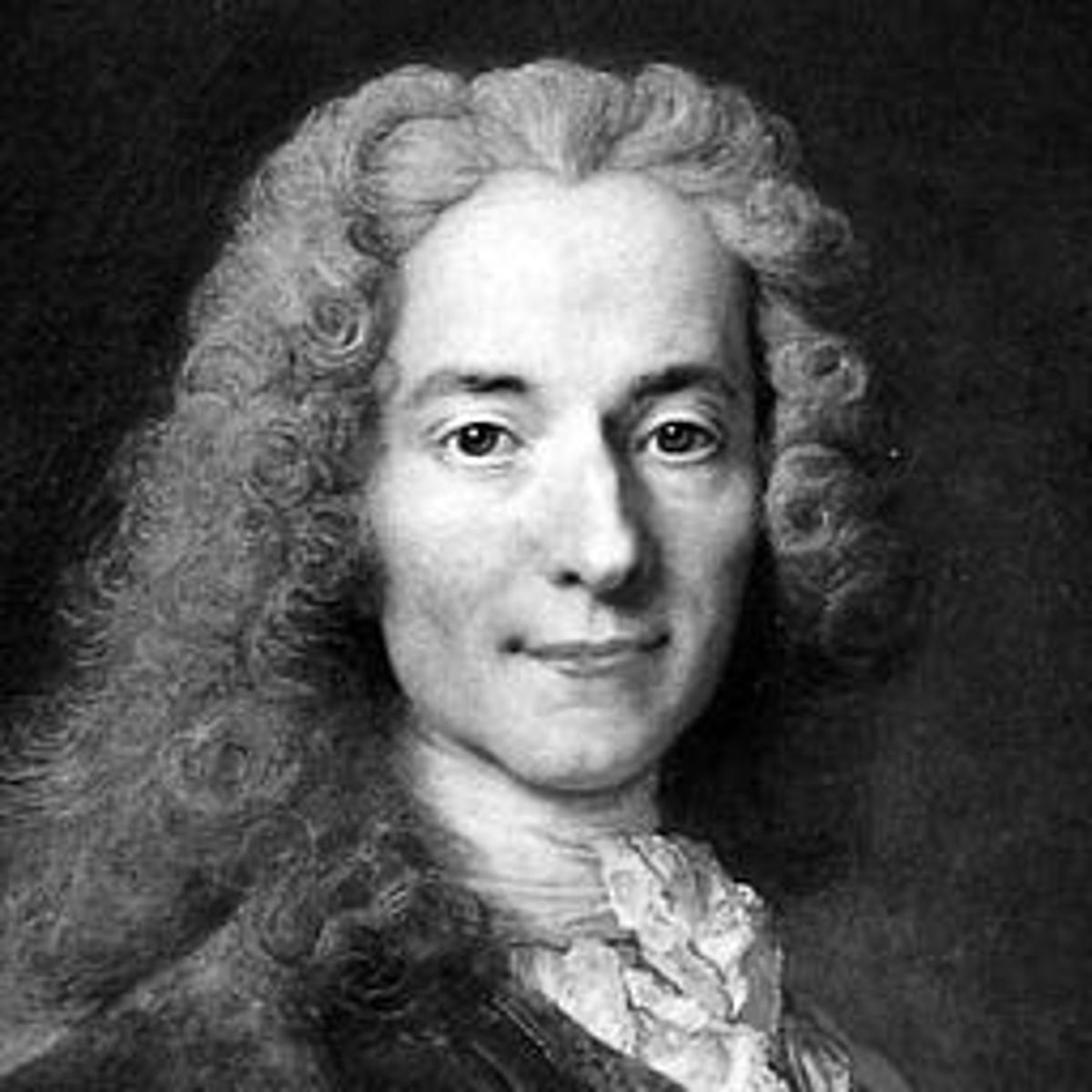
The Wisdom Letter #413
The Wisdom Letter #413, published on the Philosophors Substack, presents a curated set of classic philosophical quotes—from Simone Weil, José Martí, Anne Brontë, and Montesquieu—each paired with a probing follow‑up question. The piece invites readers to contemplate the balance between security and risk,...

Are You Awake?
The post invites readers to examine whether they are truly present, then promotes Sam Harris’s Waking Up meditation app. Author William Irvine, a scholar of evolutionary psychology and Stoic philosophy, recounts his collaboration with Harris to create a “Stoic Path” series...

A Blessing for Loving the World, Anyway
The piece "A Blessing for Loving the World, Anyway" by Kate Bowler is a lyrical meditation on resilience amid life’s inevitable hardships. It celebrates those who acknowledge burdens—news cycles, health scares, disappointments—yet still choose to look upward and find joy...

Two Weeks Before Her 18th Birthday, Everything Vanished
Suzanne Joy Clark survived a near‑fatal car crash two weeks before turning 18, losing 18 years of memory and fluency in French and math. After two years of intensive rehabilitation she rebuilt her identity around presence, deep listening, and endurance...

Angular Momentum and Shoofly Pie
The author visits an open‑air market in Lancaster County, Pennsylvania, and purchases a plain shoofly pie for $6. While the pie’s modest appearance and the market’s quiet, unbranded setting initially feel ordinary, the experience triggers a deeper reflection on mass,...

Notes on Equanimity From the Inside
During a ten‑day meditation retreat the author encountered a profound state of equanimity that felt deeper than ordinary pleasure or pain, likening it to a dark sea trench. This experience defied the usual pleasure‑suffering axis, allowing discomfort and joy to...
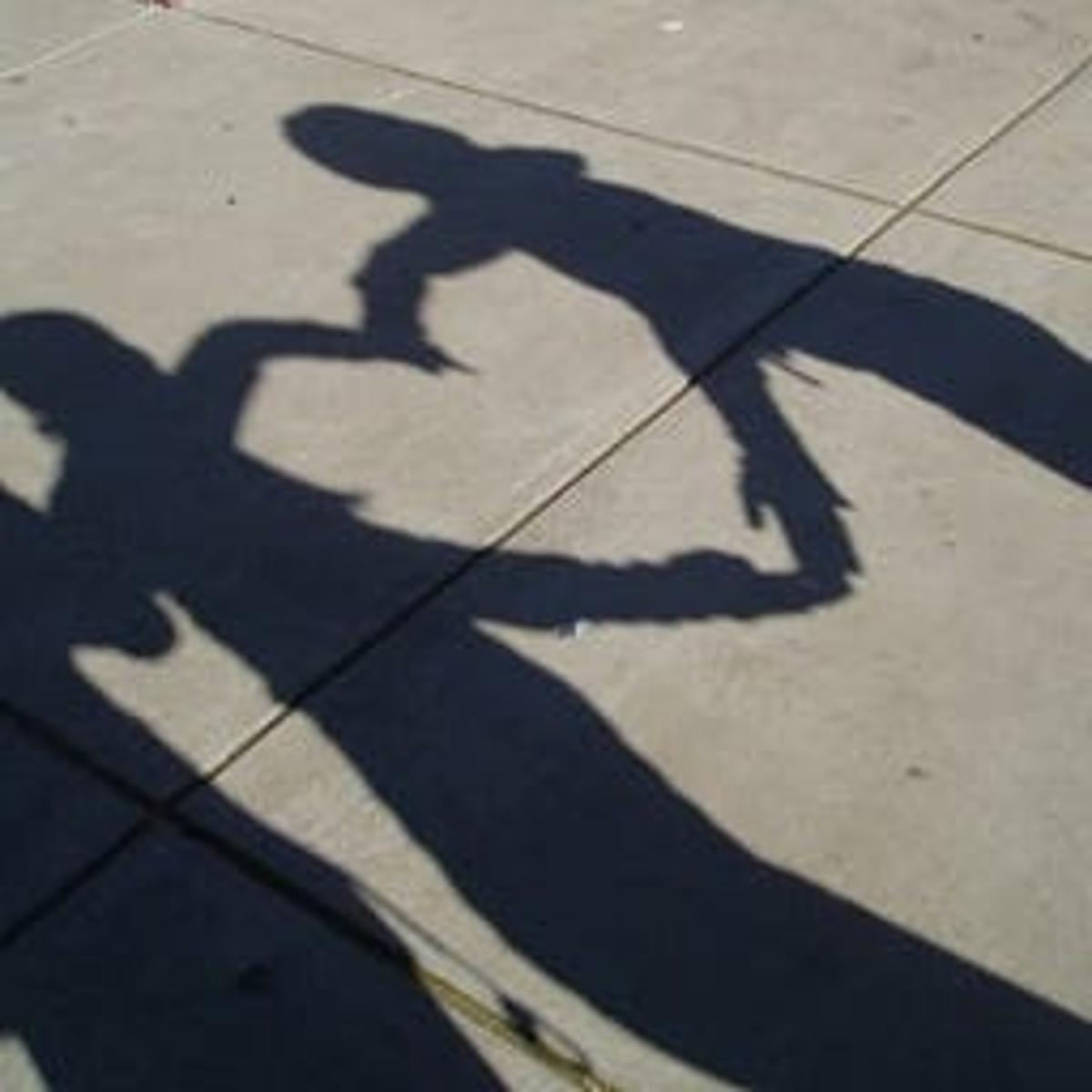
The Sounds of Being
Keila Shaheen’s essay "The Sounds of Being" reflects on how ambient sound—wind, rustling leaves, water—acts as the breath of matter, animating the world and grounding human presence. She contrasts the natural, ever‑changing soundscape with the artificial silence of societal walls...

Deciding To Quit Scrolling, Take Back My Soul: Took Some Photos In Granada On Día De La Cruz, And Marveled...
The author announces a personal digital‑detox, pledging to quit endless scrolling to restore mental clarity. While on a walk in Granada’s Albaicín, they encountered the Día de la Cruz fiesta, where women parade in elaborate ruffled flamenco dresses. The post...

GOLD
The post titled “GOLD” blends personal reflection with a rallying cry for collective hope amid political turmoil, economic strain, and personal loss. It invokes literary and spiritual references to illustrate how small, kind actions can counteract feelings of hopelessness. The...

The Weak Can't Afford Compassion
Compassion, unlike fleeting empathy, requires a stable inner core that can absorb another’s suffering without being depleted. The piece argues that individuals living in chronic scarcity lack the mental surplus to sustain true compassion, leading to hidden resentment when they...

Day Eighty-Three: See the Divine In All
Day Eighty‑Three of Dr. McFillin’s channeled series, titled “See the Divine In All,” continues the daily spiritual guidance that began earlier this year. Each entry pairs a reflective message with striking photography, such as a rainbow over red‑rock mountains, to...

The Moment Before Sleep Is Where Everything Changes
The article reframes the moments before sleep as a natural meditation, urging readers to treat bedtime as a conscious transition rather than a passive shutdown. By adopting an "as‑if" mindset—behaving as if already asleep—individuals can quiet the mind, reduce ego‑driven...

The One Skill That Changes Everything Else
The post argues that metacognition—awareness of one’s own awareness—is the overlooked skill that underpins wisdom and emotional resilience. It explains how cognitive fusion turns fleeting thoughts into perceived facts, fueling suffering, and traces the concept from ancient practices like nepsis...

An Evening with Esther Perel
Esther Perel joined Godmothers for an intimate evening with co‑founder Jennifer Rudolph Walsh, reflecting on the 20th anniversary of her seminal book *Mating in Captivity*. The conversation explored the tension between safety and the human craving for mystery, novelty, and...

Death: Life Fully Embraced and Jessica Catlin’s Transformative Approach
Jessica Catlin, a death‑literacy doula, helps individuals and families navigate terminal illness by complementing hospice care with education, advance‑care planning, and intentional language. She revives communal practices such as living wakes and Swedish death cleaning to make dying a shared,...

How To Come Back To Yourself During Busy Days
The article explains why professionals often feel disconnected during hectic workdays, linking the sensation to fragmented attention rather than external circumstances. It describes how constant outward focus creates a gap between actions and awareness, leading to a sense of detachment....

Burned at the Stake for Knowing Too Much
The post revisits Giordano Bruno, a 16th‑century Italian philosopher who championed an infinite universe, cosmic pluralism and a pantheistic view of God. It explains how Bruno’s radical ideas—no central point, stars as suns with their own worlds, and divinity immanent...
Believe It or Not...
The post urges readers to replace harsh self‑talk with Scripture‑based truth after a mistake, emphasizing that the righteous fall repeatedly but always rise again. It frames personal failure as a moment, not an identity, and suggests intentional, faith‑aligned dialogue to...

Qualia Are Internal Variables but They Are Taken From Different Realm
The author proposes that qualia function as internal variables borrowed from a non‑physical realm, much like letters serve as symbols in mathematical equations. By comparing the role of color experience to the way E=mc² uses the letter E, the piece...

The Infinite Void
The Infinite Void is a blog post that showcases a new comic strip blending cosmic imagination with corporate satire. The four‑panel design‑thinking parody contrasts humanity’s unique consciousness with a consulting team’s reliance on cold outreach and mass content for a...

I Made This Quiz for You to Help You Name Your Season ❤️
The post introduces a two‑minute self‑assessment quiz designed to help readers identify the emotional "season" they are currently experiencing. After completing the quiz, participants receive personalized results via email, followed by a series of supportive notes, encouragement, and resource recommendations...

The Wound Meets the Medicine
Geneen Roth celebrates the launch of her new memoir, Love, Finally, by sharing a preview of the chapter “The Wound Meets the Medicine.” In the excerpt, her mentor Coco guides Roth to confront the hidden conclusions formed by early emotional...

You Don’t Get to Understand Me After I’m Gone.
The essay reflects on the paradox that people often only recognize your worth after you disappear. It examines how women repeatedly chase love, sacrificing themselves until they finally walk away, only to be missed. The author argues that absence, not...

How Can Stoicism Help Kids?
Claudia Mills, emerita philosophy professor and prolific children’s author, discusses how Stoic ideas can be introduced to young readers in a new novel, *Calliope Callisto Clark and the Search for Wisdom*. The conversation explores the unique advantages children have when...

A Simple “Sit With It” Prompt
The post introduces a simple "Sit With It" prompt that asks readers to stay with an uncomfortable feeling for one more minute before reacting. It explains how avoidance interrupts emotional processing and how brief presence can shift emotions naturally. The...
The Devil Traffics in Reaction
The post argues that modern algorithmic feeds train people to react impulsively, while the Holy Spirit cultivates a response rooted in interior discernment. It explains how AI predicts attention but cannot access the inner movements of consolation and desolation that...

A Stoic Meditation on Perception
The post explores the Stoic view that perception—both sensory and intuitive—shapes our reality and moral character. Citing Marcus Aurelius, it argues that unchecked perceptions lead to agitation, while deliberate awareness turns events into material for personal growth. By distinguishing physical...

All Roads Lead Back to Myself
In "All Roads Lead Back to Myself," the author reflects on how attempts to escape personal chaos repeatedly bring her back to self‑reflection. She describes the shift from trying to control external noise to nurturing an inner‑child and using tiny,...
The Doubt You Don’t Say Out Loud
The author confesses that while prayer continues, a quiet doubt has settled in, marking the often‑overlooked "in‑between" stage of faith where nothing changes visibly. This subtle shift bends belief rather than breaking it, leading to reduced expectation, honesty, and connection...
Before You Try to Fix It (Chapter Two)
The author is drafting a new book, *The Practice of Being Alive*, and is publishing each chapter as a live, working draft to solicit reader feedback. Chapter 2, “Before You Try to Fix It,” examines the instinct to correct perceived problems...
When No One Cares, Play Anyway
The post uses Joshua Bell’s 2007 D.C. metro experiment—where the Grammy‑winning violinist earned just $32 and attracted only 27 listeners out of 1,100 passersby—to illustrate how even extraordinary work can go unnoticed. The author parallels this with personal ministry setbacks,...
28 April 2026 ~ 3 Good Things
Emily Gaines Demsky’s 28 April 2026 post blends a short poem titled “Praying” with a personal gratitude list. She highlights three “good things”: practicing Qi gong at sunset, adding salt to watermelon for a flavor boost, and celebrating her daughter Lucy’s final day...

NIL Jesus
Pastor Harp reflects on the disconnect between his public preaching and private conduct, framing it as a breach of the Third Commandment’s deeper meaning. He argues that the commandment forbids misrepresenting God’s character, not merely avoiding profanity, and uses the...

The Hindu Roots of Mindfulness: What the Advaita Tradition Offers Educators and Students
The article introduces Advaita Vedanta’s self‑inquiry as a complementary approach to school‑based mindfulness, which traditionally relies on Buddhist‑derived techniques like breath awareness and thought labeling. While programs such as MBSR and the Oxford .b curriculum improve attention and anxiety, they...

How I Lost Myself in a Controlling Friendship and What I Know Now
The author recounts a gradual loss of self in a friendship that felt supportive but became controlling. Small manipulations—guilt‑laden generosity, constant redirection, and silent withdrawal—eroded her confidence and autonomy over months. A pivotal moment of being cut off mid‑sentence sparked...
Counterfeit Faith: The Two Types of Buddhists Killing Genuine Practice
The blog post argues that many self‑identified Buddhists fall into two counterfeit categories—superstitious ritualists and rational scholars—who mistake external practices or intellectual display for genuine Buddhist faith, thereby diluting authentic practice. It explains how both groups prioritize belief or knowledge...

Osho: On the Fear of Death
In a recent blog post, Osho reflects on the fear of death, asserting that the art of dying mirrors the art of living. He argues that most people cling to life, only realizing at the moment of death that they...

Refresh, Reflect, Refine
The blog post "Refresh, Reflect, Refine" is a poetic manifesto urging readers to move through hardship with steady, intentional steps. It frames each night‑to‑day cycle as an opportunity to refresh values, reflect on lessons, and refine future actions. Author Pearl...

Moment of Silence
Pearl Zhu’s "Moment of Silence" is a reflective poem posted on a personal blog, using urban night‑time imagery to explore silence, healing, and self‑awareness. The piece weaves themes of patience, the weight of unspoken emotions, and the transformative power of...

Could We Accept Stillness? (Monthly Solo)
In the April solo episode, host Elise reflects on a personal swing between high energy and a disorienting sense of stillness, linking it to broader cultural pressures to constantly produce. She uses Carissa Schumacher's metaphor of seeding, growing, and harvesting...

Inner Work Office Hours (Monthly Q&A)
The author announced a monthly "Inner Work Office Hours" Q&A, inviting community members to submit personal questions about their inner‑work journey. The session offers direct guidance, interpretation support, and fresh perspectives on emerging life challenges. By framing the event as...