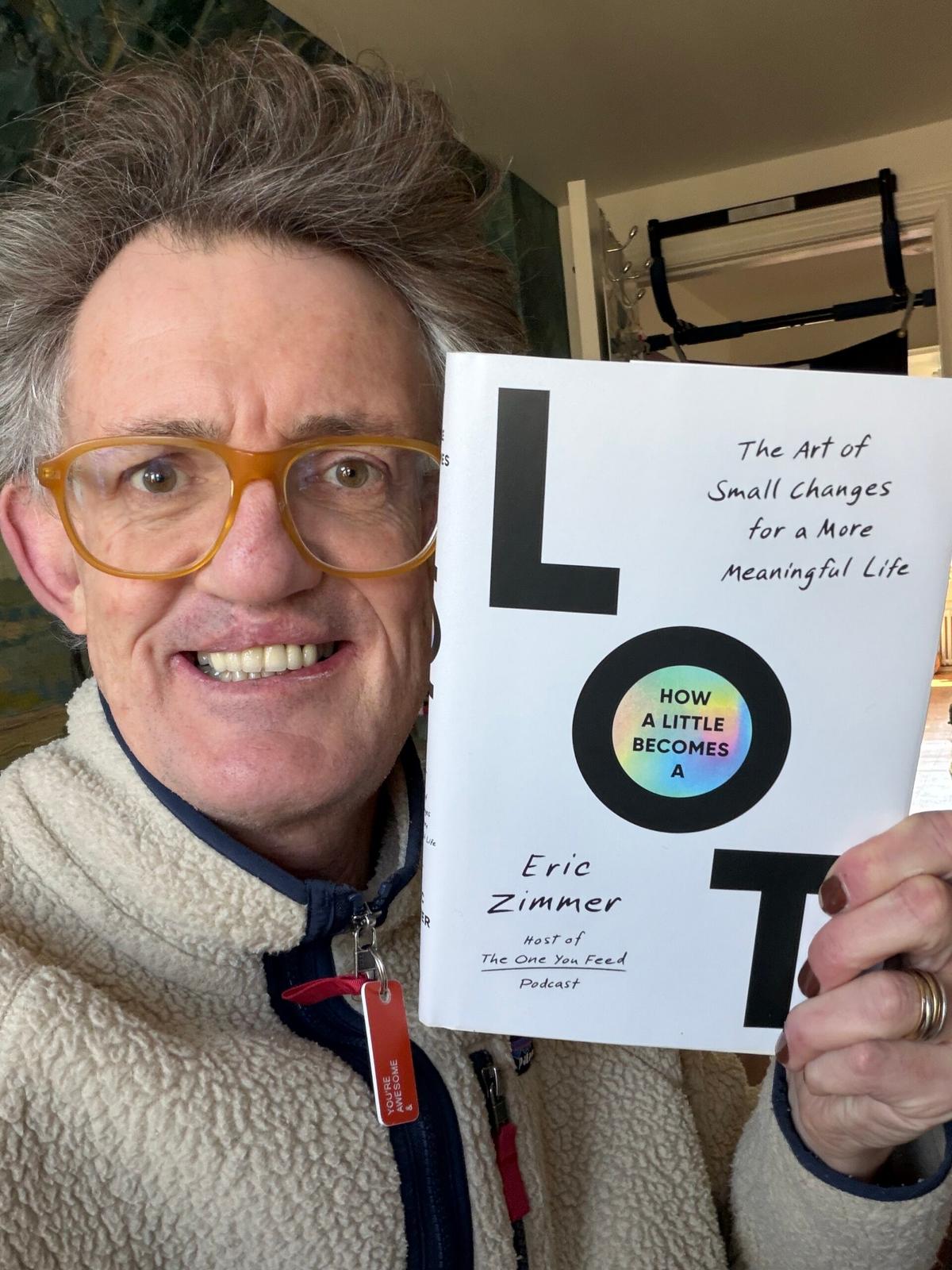
You and Your Two Wolves
Michael Bungay Stanier highlights Eric’s new book *How a Little Became a Lot*, which grew from the *One You Feed* podcast. The book uses the classic two‑wolf fable to explore how we nurture either uplifting or draining relationships. Stanier urges readers to audit where their attention goes, feeding the people who add value and limiting the ones that sap energy. A simple weekly exercise—re‑balancing one relationship—can reshape personal well‑being and professional effectiveness.

Are You a Shallow Christian?
The post challenges readers to examine whether their Christian practice has become shallow, defined by routine Bible reading and autopilot prayers. Drawing on Psalm 42, the author describes a quiet restlessness that signals a deeper hunger for God. He proposes a...
Relational Ground (Chapter Four)
The author announced the launch of a new book, *The Practice of Being Alive*, and is releasing its chapters as working drafts on Substack. Chapter Four, titled “Relational Ground,” explores a subtle form of social fatigue that stems from constantly...

The Feast of the Ascension: Why It Matters and How Christians Have Celebrated It for Centuries
Ascension Day, observed forty days after Easter, commemorates Jesus’ bodily ascent into heaven and marks the theological bridge between the resurrection and Pentecost. The feast celebrates Christ’s triumph, coronation at the Father’s right hand, and his ongoing intercession for believers....

The Dalai Lama's Impossible Question
In a 1992 conversation, the Dalai Lama asked neuroscientist Richard Davidson why he only studied human misery. The question prompted Davidson to pivot his career toward the science of happiness, compassion and mindfulness. He founded the Center for Healthy Minds,...

Practice Method, Not Results. METHOD NOT RESULTS.
The post argues that meditation success hinges on adhering to disciplined methods rather than chasing specific outcomes. Citing Ken McLeod, the author warns that fixating on an "after picture"—tranquility, insight, or mystical powers—leads practitioners astray. By dissecting non‑dual, heart‑centered, and concentration...
Announcing: How to Do Stoic Therapy
Donald J. Robertson and Phil Yanov will host a Substack Live conversation titled “How to Do Stoic Therapy” on May 15, 2026 at 12 PM ET. The session, part of the “Conversations with Modern Stoicism” series, will explore how Stoic philosophy can be applied to...
When Observation Becomes Another Self
The article explores how the practice of observing thoughts—common in mindfulness and therapy—can unintentionally create a new ego identity. While observation offers a useful gap that prevents reactive behavior, the mind may start to own the act of observing, turning...

The Initiates of the Flame
The blog post uses William Blake’s painting “God Judging Adam” as a metaphor for a hidden class of spiritual guardians who protect humanity’s inner “Flame.” It reflects on the cyclical rise and fall of great civilizations—Greece, Rome, Egypt—and warns that...
How to Silence the Voice That Isn't God's (Wilderness Warrior)
The post explains that Jesus was led by the Spirit into the wilderness, where he faced the devil’s temptations and responded each time with Scripture. By quoting the Word three times, he silenced the enemy’s lies and emerged victorious. The...
Narcissism in the Mind's I
The piece examines how our inner voice often turns compassionate thoughts into self‑centered narratives, a tendency the author labels narcissistic. By referencing La Rochefoucauld, Adam Smith, and McGilchrist, it shows philosophers have mistaken this chatter for the true self. Survey data from...

How Stoicism Actually Works
The post demystifies Stoic philosophy by outlining its core framework: the dichotomy of control, the three disciplines of desire, assent and action, and the concept of prohairesis as the whole self. It explains how these elements interlock to transform amor...

How Do I Live in the Present?
The author spent several days in a southern French village reflecting on the challenge of living in the present. He observes that most professionals are chronic worriers, fixated on future milestones and past outcomes. By emphasizing that the present moment...

Walk In His Ways • Daily Devo #542
Daily Devotional #542, titled “Walk In His Ways,” uses Zechariah 3 and Romans 12:2 to illustrate how God removes sin—symbolized by filthy garments—and renews believers’ minds. The post urges readers to turn to prayer, worship, and accountability as pathways to spiritual transformation....
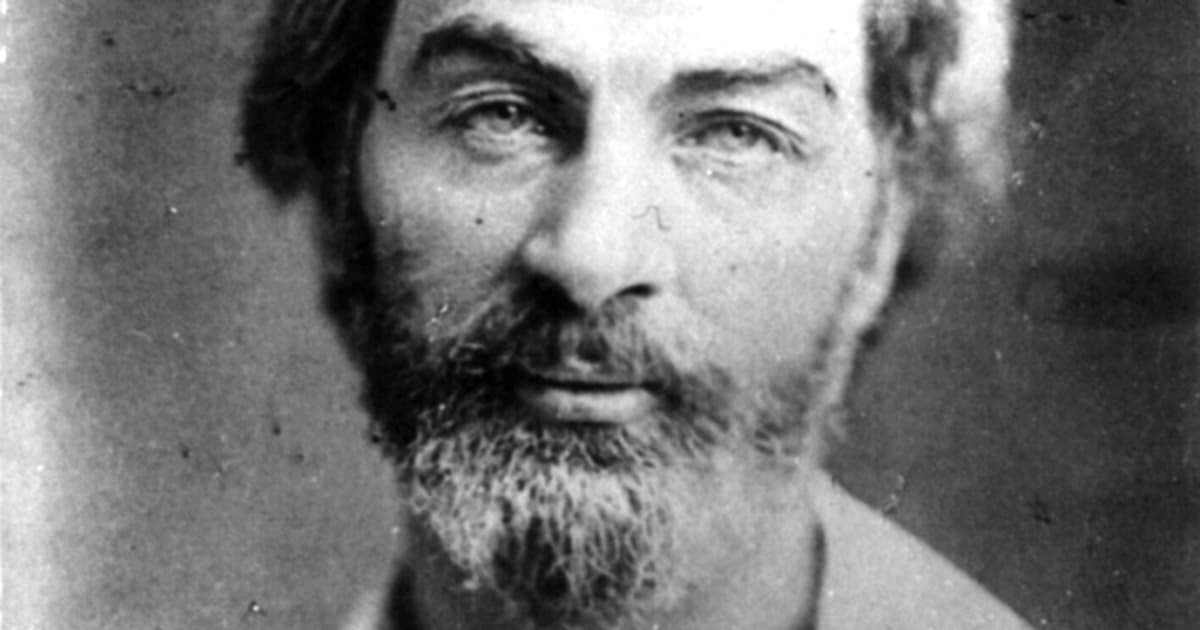
Walt Whitman’s Advice on Living a Vibrant and Rewarding Life
Walt Whitman self‑published *Leaves of Grass* at age 36, receiving a pivotal endorsement from Ralph Waldo Emerson that rescued the work from obscurity. In the original preface, Whitman delivers a manifesto urging love of nature, generosity, and constant self‑examination. The...

Thinking of Her While Meditating
The post argues that in Vajrayana Buddhism, sexual desire is not a hindrance but a potent catalyst for the deepest stages of meditation. It contrasts this view with the Hinayana emphasis on strict renunciation, which can create internal walls that...

Beyond the Observer: Matter as a Phase of Consciousness
Dr. Iain McGilchrist’s claim that "matter is simply a phase of consciousness" sparks a speculative bridge between philosophy and quantum physics. The post argues that conscious noticing—especially intentional, lucid awareness—could act as the observer that collapses quantum wave functions, turning...

“The Fierce Urgency of Now”
On April 4, On Being recorded a special podcast episode at New York’s Riverside Church to mark the 59th anniversary of Dr. Martin Luther King Jr.’s “Beyond Vietnam” speech. Hosted by Krista, the conversation featured civil‑rights scholar Michelle Alexander and activist Lucas Johnson, both...

I Just Want to Go Home...
The author reflects on week one of a 30‑day "Healing the Mother Wound" journey, focusing on the theme of "Distortions." After a day of deep cleaning, she finally engages with a guided meditation that triggers strong emotional release. The post...

Fermentation Is Female Identity, Survival, Resistance, Devotion
The Fermentation School highlights the Guarani‑Kaiowá nhandesy women’s chicha‑making, framing fermentation as a conduit for female identity, spiritual devotion, and cultural survival. Through a series of webinars and courses, the initiative shares video and audio recordings of traditional practices, including...

Thirty Six Servings of Ayahuasca. Here's What She Taught Me.
The Balanced Blonde recounts completing 36 ayahuasca servings across four ceremonies, each spanning three nights, and shares how a viral Instagram Reels video amplified her plant‑medicine narrative. She highlights the intense, shadow‑work focus of the ceremonies and contrasts ayahuasca with...
The Zen Book Everyone Says Changed Their Life
Zen Mind, Beginner’s Mind, a classic Zen text, is highlighted as a practical guide for cultivating a beginner’s mindset and full‑presence in daily activities. The article outlines four core principles: infinite possibilities in a novice mind, doing one thing completely, recognizing inherent...

If You Have ChatGPT. And in a Relationship. Try This Prompt 👇🏻 (So Far It Is 90% Accurate)
A new ChatGPT prompt asks users to input personal and partner details, then requests a numerology‑based interpretation of their relationship across multiple lifetimes. The prompt claims about 90% accuracy and also generates a custom image infused with the spiritual reading....

What Happened When We Chose Not to React in Anger
A family’s traffic accident turned into a lesson in emotional restraint when the author chose not to react with anger after a motorcyclist damaged their tire. Instead of arguing, they focused on the practical need—getting the tire fixed—by driving cautiously...

The Quiet Fear of Wasting Your Life Without Realizing It
{"summary":"The post explores the subtle, growing fear that life may slip by unnoticed as we age, manifesting in everyday moments like late-night scrolling or routine drives. It highlights how this awareness can reveal periods of mental distraction, emotional disconnection, and...

The Second Word of the Lord's Prayer
The article explores why many men cannot utter the second word of the Lord’s Prayer—"Father"—tracing the difficulty to unresolved father‑related trauma. It uses biblical examples, notably David’s strained relationship with his father, to illustrate how early wounds become lodged in...
The Meaning of the Creative Act
Nicolas Berdyaev’s 1916 treatise *The Meaning of the Creative Act* argues that true creativity is an expression of spiritual freedom, not a mere adaptation to material necessity. He condemns deterministic, mechanistic worldviews and posits that only the free individual can...

The Icons Are Coming Alive Again
Margarita Mooney Clayton’s new book *When Mary Calls* compiles contemporary personal encounters with the Mother of God, ranging from a pregnant woman’s miraculous healing to an icon‑painting monk‑turned‑family man and a composer’s re‑imagining of creativity. The collection highlights a surprising...

Not Operating by the Checklist (Stacey London)
Stacey Lindsay, author of *Being 40*, joins host Elise to discuss how women confront societal checklists as they enter their forties. Drawing from her own turbulent family history—her mother’s departure and a challenging upbringing—Lindsay explores self‑authoring, forgiveness, and breaking generational...

A Mental Health Anthology, Part 1: The Decline
The author recounts a decade‑long struggle with depression, anxiety, and substance abuse, culminating in multiple psychedelic ceremonies—including ayahuasca and Bufo—to confront deep‑seated trauma. Early experiences, such as finding a childhood notebook filled with self‑harm thoughts, set the stage for a...

Before You Can Hear Him
The post challenges the common view of discernment as a purely analytical exercise, arguing that effective decision‑making hinges on inner transformation rather than just external data gathering. It critiques the habit of making pros‑and‑cons lists, seeking counsel, and praying without...

This Is The Most Important Skill You Can Have In Life
Ryan Holiday argues that essay writing is the most vital skill for personal growth, illustrating how the discipline of crafting essays shaped his thinking and career. He recounts Eisenhower’s wartime briefing as a historic example of writing clarifying strategy under...

You Are Not Lost. You Are Just Living Too Much in the Past.
The blog post argues that dwelling on past experiences fuels anxiety and blocks present‑moment creativity. It urges readers to quiet the mind, embrace stillness, and recognize that resources and insight are available right now. The author frames this shift as...
Grounding and Resourcing in Breathwork: What They Are and How to Use Them
The guide explains grounding and resourcing as essential, trauma‑informed tools for breathwork practitioners and participants. Grounding anchors the nervous system in the present, while resourcing provides a felt sense of safety and strength. The article stresses practicing these techniques while...

This Is How You Raise Your Self-Worth
The post outlines 27 actionable lessons for building unshakeable self‑worth, arguing that the relationship with oneself shapes every decision, boundary, and partnership. It frames self‑worth as a skill developed through awareness, deliberate choices, and unlearning limiting beliefs. The author invites...
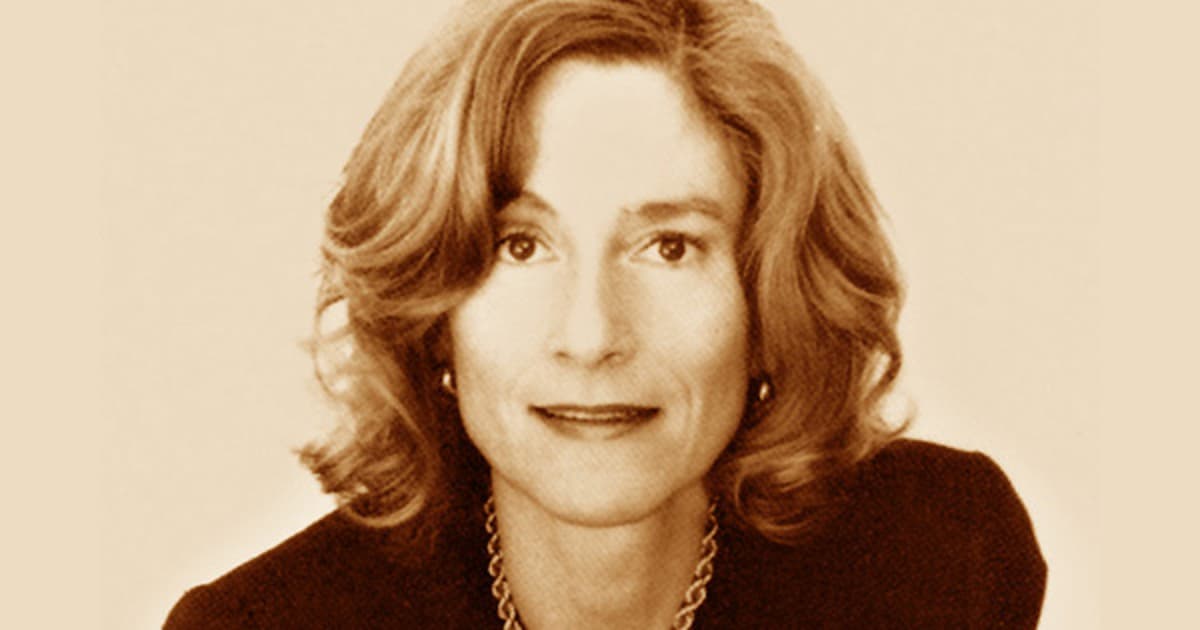
Philosopher Martha Nussbaum on How to Live with Our Human Fragility
In a 1989 interview for Bill Moyers’ *World of Ideas*, philosopher Martha Nussbaum expands on her book *The Fragility of Goodness*, arguing that moral virtue requires openness to uncertainty and the willingness to be harmed by forces beyond our control....
The Devil Does Not Need to Make Every Christian an Atheist.
The author introduces "The Torment Triage," a $14 Bible‑first field guide designed for Christians wrestling with intrusive thoughts, fear, and spiritual torment. The guide outlines six recurring patterns—blasphemous thoughts, compulsive confession, fear of the unpardonable sin, pre‑prayer attacks, post‑sexual‑sin shame...

Hannah Wept. Was Mocked. Kept Showing Up. Then God Moved.
The article revisits Hannah’s story from 1 Samuel, highlighting her years of wordless, tear‑filled prayer amid relentless provocation from her co‑wife Peninnah. Despite being misread as drunken by priest Eli, Hannah’s silent plea eventually moved God to grant her a child....
That Nausea Always Knew
The post critiques modern manifestation culture, arguing that its promise of "believing harder" oversimplifies complex life challenges. It describes how this mindset turns external setbacks—like stagnant finances or career stalls—into internal nausea and self‑blame. By contrasting the law‑of‑attraction narrative with...

Nothing Ends
The Minimalists’ essay "Nothing Ends" uses a rainy funeral scene to illustrate the impermanence of material attachments and life milestones. The narrator reflects on how familiar places have changed, how careers and dreams feel hollow, and how grief forces a...

Follow the Evidence: A Leading Neuroscientist Rethinks Consciousness and Why It Matters Now
Renowned neuroscientist Christof Koch announced at a 2026 Porto symposium that he no longer believes the brain creates consciousness, but rather channels a fundamental property of reality. He cites the hard problem of consciousness, quantum‑mechanical paradoxes, and anomalous experiences as...

Soften.
In her May 6, 2026 Substack post, Danielle LaPorte releases “Soften,” a short audio piece urging listeners to embrace gentleness in daily decisions. The episode blends personal anecdotes with practical tips for reducing self‑criticism and fostering compassionate action. LaPorte highlights three core practices—pause,...

We Are the Red Rebelles
The post launches the “Red Rebelles” movement, positioning the second Gene Key’s feminine frequency as a catalyst for personal and societal transformation. It argues that an inner rebellion—recalibration of one’s own compass—will drive change more effectively than external protest. Practical...

How to Stay in the Present Moment in Everyday Life: 5 Simple Habits
The article outlines five practical habits for cultivating present‑moment awareness in daily life, ranging from single‑tasking to using a simple mental cue like “Now I am ….” It emphasizes slowing down routine actions, limiting early‑day digital consumption, and employing a...
5 May 2026 ~ 3 Good Things
On May 5, 2026, Emily Gaines Demsky posted a short reflective piece titled “3 Good Things,” listing three personal highlights: her mother’s birthday (and the shared birthday with her grandmother), tacos with a friend named Ana, and a new large glass mixing...

Kierkegaard on How to Channel Anxiety Into Creativity
Søren Kierkegaard’s 1844 treatise "The Concept of Anxiety" frames anxiety as the dizzying awareness of unlimited freedom and possibility. He argues that anxiety is inseparable from the act of creating oneself and the world, acting as both a destabilizing force...
Toxic Church Advice I Kept Hearing... And I Hate that Breaking It Actually Changed Everything
The author debunks five common pieces of church advice that hinder personal spiritual growth, such as relying on sermons, waiting for a feeling of being led, and treating attendance as sufficient. He argues that authentic faith requires direct, disciplined Bible...

How to Work Out What You Want
After a recent divorce, the author reflects on mortality and the difficulty many have in defining what they truly want from life. She argues that discovering personal desires isn’t a strategic exercise but an observational one, and shares five practices...

Issue #245: When You Get the Message, Hang Up the Phone
The author recounts a recent two‑day Reiki training and a holotropic breathwork session in Ojai, describing the immersive rituals and personal breakthroughs experienced during the workshops. The narrative highlights the growing appeal of alternative wellness practices, noting the significant time...

The Greatest Legacy For Future Generations
The newsletter revisits Kanzo Uchimura’s 1894 lecture that defines four kinds of legacy—money, business, thoughts, and a noble, courageous life—concluding that the most attainable legacy is a sincere life lived with integrity. Glasp aligns its mission with the last two...