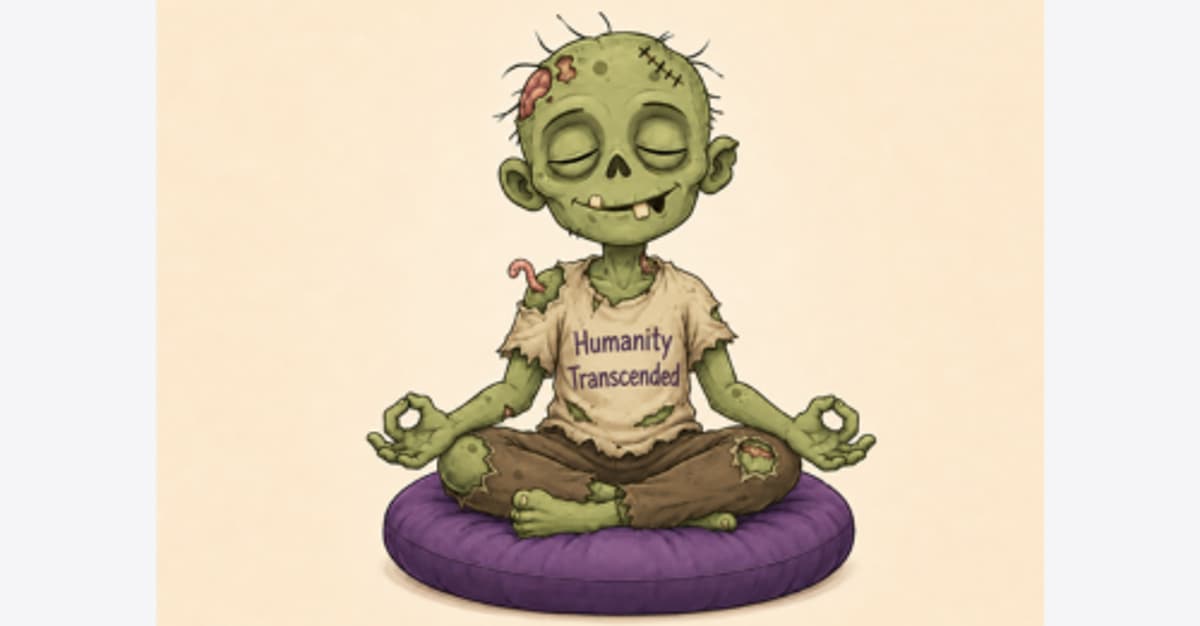
4 Signs You're a Mindful Zombie
Why It Matters
In corporate settings, performative mindfulness can erode trust, stifle innovation, and exacerbate burnout, making authentic practice essential for effective leadership and team health.
Key Takeaways
- •Mindful practice can turn into performance, eroding authenticity
- •Over‑polished language signals avoidance of raw human emotions
- •Losing humor and questioning undermines critical thinking in teams
- •Superiority attitudes create blind spots, hindering inclusive leadership
- •Recognizing signs restores genuine presence and healthier workplace culture
Pulse Analysis
The past decade has seen mindfulness migrate from meditation cushions into boardrooms, with companies touting meditation apps, quiet rooms, and resilience workshops as antidotes to burnout. When implemented thoughtfully, such programs can lower stress, improve focus, and boost employee engagement. However, the rapid commercialization of mindfulness has also produced a shortcut culture where the practice is displayed as a badge rather than a lived skill. This shift creates a fertile ground for what Mo Edjlali calls the "mindful zombie"—a veneer of calm that masks disengagement. Without safeguards, the practice can become a status symbol that rewards conformity over growth.
The four symptoms outlined in the article translate directly into workplace dysfunction. Sanitized jargon—‘holding space,’ ‘sitting with it’—often replaces candid feedback, while a loss of humor signals an inability to navigate conflict with resilience. When employees stop asking ‘why,’ critical thinking stalls, and a subtle superiority complex can alienate peers, reinforcing echo chambers. Such dynamics also diminish diversity of thought, as dissent is reframed as disruption. These patterns erode psychological safety, a cornerstone of high‑performing teams, and can turn mindfulness initiatives into performative compliance rather than genuine well‑being tools.
Leaders can counteract mindful zombification by encouraging vulnerability, questioning, and balanced humor within structured practices. Rather than mandating buzzword‑filled checklists, organizations should model imperfect presence, allowing staff to admit stress, make mistakes, and laugh at themselves. Integrating reflective debriefs, peer‑led inquiry circles, and regular feedback loops keeps mindfulness grounded in real experience. When authenticity is prioritized over image, mindfulness becomes a catalyst for creativity, empathy, and sustainable performance, reinforcing both individual well‑being and the bottom line. Metrics such as employee net promoter scores and turnover rates can reveal whether mindfulness is truly resonating.
4 Signs You're a Mindful Zombie
Comments
Want to join the conversation?
Loading comments...