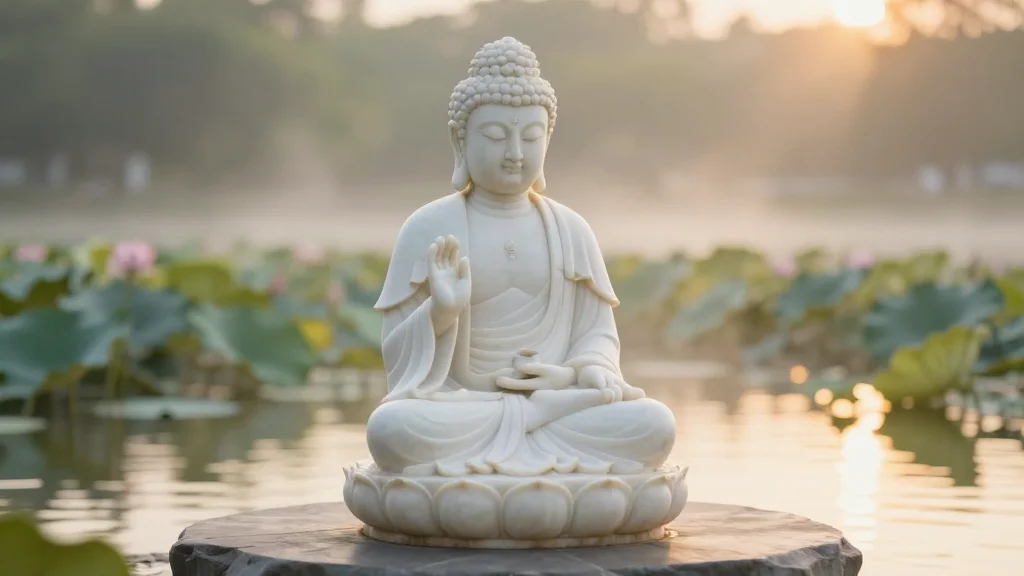
Buddha Purnima 2026 Celebrations Spotlight Timeless Teachings Amid Global Turmoil

Why It Matters
Buddha Purnima 2026 illustrates a broader resurgence of spiritual frameworks as coping mechanisms for modern stressors. By foregrounding mindfulness and compassion, Buddhist institutions are entering the mental‑health arena traditionally dominated by secular therapies, potentially reshaping public health strategies. Moreover, the UN’s endorsement elevates the holiday from a religious observance to a diplomatic tool, enabling faith‑based contributions to peace‑building and climate action. The convergence of ancient doctrine with contemporary policy debates signals a shift in how spirituality is leveraged to address collective challenges. For the Spirituality sector, the heightened visibility of Buddhist practices offers opportunities for media, technology platforms and wellness brands to integrate authentic teachings into products and services. At the same time, it raises questions about the commodification of sacred practices and the need to preserve doctrinal integrity while scaling impact.
Key Takeaways
- •Buddha Purnima 2026 observed on April 30, marking birth, enlightenment and Mahaparinirvana.
- •UN recognizes the day as an international observance since 1999, adding diplomatic weight.
- •Mindfulness highlighted as a tool to combat digital distraction and rising stress levels.
- •Impermanence and non‑attachment presented as psychological strategies for resilience.
- •Upcoming International Buddhist Conference in November 2026 to evaluate year‑long initiatives.
Pulse Analysis
The 2026 Buddha Purnima celebrations mark a pivotal moment where Buddhism moves from a primarily contemplative tradition to an active participant in global well‑being agendas. Historically, Buddhist festivals have been localized events; this year’s emphasis on mindfulness as a public health solution mirrors the rise of secular meditation apps that have already captured billions of users. By aligning religious practice with evidence‑based mental‑health benefits, Buddhist institutions are positioning themselves as credible partners for governments and corporations seeking to address burnout and social fragmentation.
Economically, the surge in demand for mindfulness training creates a new market niche for certified teachers, retreat centers and digital platforms. While the TOI article does not quantify revenue, comparable sectors—such as the $4.5 billion global meditation market in 2025—suggest that Buddhist organizations could capture a meaningful share if they adapt to digital delivery models. However, the risk of diluting doctrinal depth in pursuit of scale remains a contentious point among traditionalists, who warn that commodification may erode the authenticity that underpins the teachings.
Looking forward, the November International Buddhist Conference will likely serve as a litmus test for the movement’s ability to translate spiritual concepts into measurable social outcomes. Success could inspire other faith traditions to adopt similar frameworks, potentially reshaping the spiritual landscape into a more collaborative, impact‑driven ecosystem. Conversely, failure to demonstrate tangible benefits may relegate such initiatives to symbolic gestures, limiting their influence on policy and public discourse.
Buddha Purnima 2026 Celebrations Spotlight Timeless Teachings Amid Global Turmoil
Comments
Want to join the conversation?
Loading comments...