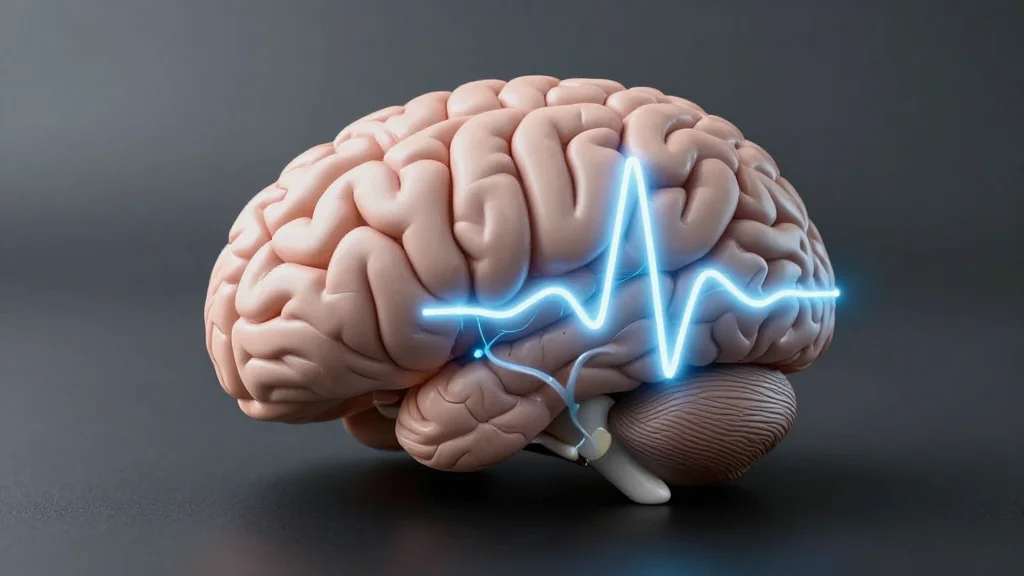
EEG Study Finds Same Brain Process Underlies Free and Forced Choices

Why It Matters
The discovery that voluntary and forced decisions share a common neural substrate bridges a gap between empirical science and age‑old spiritual inquiries into free will. By grounding the debate in measurable brain activity, the research equips philosophers, theologians, and meditation teachers with a common language for discussing agency. It also raises practical questions about how practices aimed at enhancing self‑awareness—such as mindfulness or prayer—might influence the evidence‑accumulation process, potentially reshaping therapeutic approaches to compulsive behaviors and decision‑making disorders. Moreover, the study underscores a broader trend of interdisciplinary collaboration, where neuroscientists increasingly engage with spiritual traditions to explore consciousness. As more data emerge, the conversation could shift from abstract speculation to evidence‑based strategies for cultivating a sense of agency, thereby influencing everything from mental‑health interventions to ethical frameworks in technology and law.
Key Takeaways
- •EEG recordings reveal identical evidence‑accumulation patterns in free and forced decisions.
- •Study challenges traditional free‑will narratives by showing a shared neural decision process.
- •Findings invite spiritual traditions to reinterpret concepts of inner agency in light of neuroscience.
- •Researchers plan follow‑up studies using fMRI and diverse participant groups.
- •Potential implications for mindfulness practices, mental‑health treatment, and ethical debates.
Pulse Analysis
The convergence of neuroscience and spirituality in this EEG study reflects a growing willingness to let data inform age‑old metaphysical questions. Historically, debates over free will have been dominated by philosophy and theology, with little empirical input. By demonstrating that the brain employs a uniform evidence‑accumulation algorithm regardless of perceived choice, the research nudges the discourse toward a model where agency is seen as an emergent property of neural computation rather than a binary of free versus deterministic.
From a market perspective, the findings could accelerate interest in neuro‑enhancement tools marketed to spiritual and wellness audiences. Companies developing brain‑training apps or neurofeedback devices may cite the study to argue that their technologies can modulate the very evidence‑accumulation process that underlies decision making. At the same time, ethicists and religious leaders may push back, warning against the reduction of spiritual experience to circuitry. The tension between commercial exploitation and authentic spiritual practice is likely to intensify as more neuroscientific insights become publicly accessible.
Looking ahead, the real test will be whether subsequent research can map how contemplative practices alter the evidence‑accumulation signal. If meditation or prayer can measurably shift the timing or intensity of this neural process, it would provide a powerful validation for centuries‑old claims about cultivating inner freedom. Such a breakthrough would not only reshape spiritual pedagogy but also inform clinical approaches to disorders characterized by impaired decision making, such as addiction or obsessive‑compulsive disorder. The dialogue sparked by this study is poised to influence both the marketplace of wellness technologies and the philosophical foundations of agency.
EEG Study Finds Same Brain Process Underlies Free and Forced Choices
Comments
Want to join the conversation?
Loading comments...