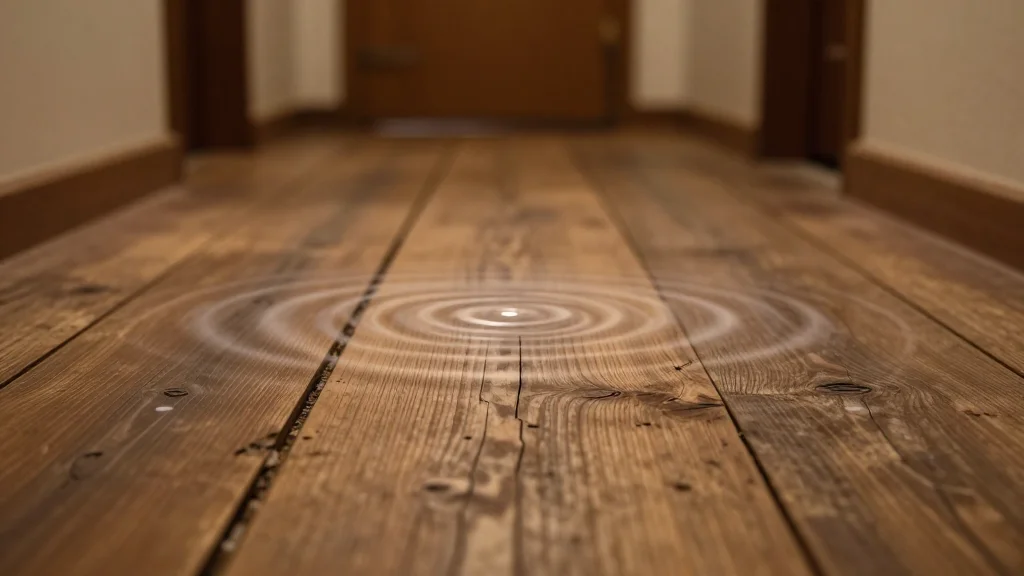
German Study Links Haunted House Sensations to Infrasound, Not Ghosts

Why It Matters
The study reshapes the conversation around spirituality and the paranormal by grounding eerie experiences in measurable physical processes. It challenges the authority of ghost narratives, prompting believers and skeptics alike to reconsider the origins of fear in historic spaces. For the broader spirituality sector, the research highlights how cultural beliefs intersect with neuro‑physiological responses, suggesting that spiritual experiences may often be rooted in the body’s reaction to environmental cues. For property owners and heritage managers, the findings provide a pragmatic pathway to improve occupant comfort without resorting to myth‑based explanations. By addressing infrasound emissions, they can mitigate anxiety‑inducing environments, potentially increasing the marketability of historic homes and reducing the stigma attached to “haunted” properties.
Key Takeaways
- •German researchers identify infrasound from old heating, ventilation and boiler systems as cause of spooky sensations.
- •Infrasound triggers physiological stress responses that are misinterpreted as paranormal activity.
- •Study challenges traditional ghost explanations and offers a testable, scientific alternative.
- •Findings suggest retrofitting historic buildings could reduce anxiety‑related perceptions.
- •Future work will quantify infrasound thresholds and explore implications for building codes.
Pulse Analysis
The German study arrives at a moment when the spirituality market is increasingly intersecting with science and wellness. Consumers are seeking evidence‑based approaches to mental health, and this research provides a concrete example of how environmental factors can masquerade as spiritual phenomena. Historically, haunted house lore has fueled tourism and media, but the shift toward a physiological explanation could dampen the mystique that drives that niche. Companies that market paranormal experiences may need to pivot, emphasizing immersive storytelling over claims of genuine hauntings.
From a competitive standpoint, the study positions academic institutions as key players in the spirituality debate, potentially attracting funding for interdisciplinary projects that blend acoustics, psychology and heritage preservation. If subsequent experiments confirm the infrasound thresholds, we could see a new sub‑industry emerge focused on acoustic remediation for historic properties, akin to the rise of wellness‑focused architecture.
Looking forward, the broader spiritual community may reinterpret such findings as evidence that the divine or supernatural can be experienced through the body’s natural responses to its environment. This reframing could bridge the gap between skeptics and believers, fostering a more nuanced dialogue about the origins of awe and fear. The next wave of research will likely explore how other sensory inputs—light, temperature, scent—contribute to spiritual experiences, expanding the conversation beyond sound alone.
German Study Links Haunted House Sensations to Infrasound, Not Ghosts
Comments
Want to join the conversation?
Loading comments...