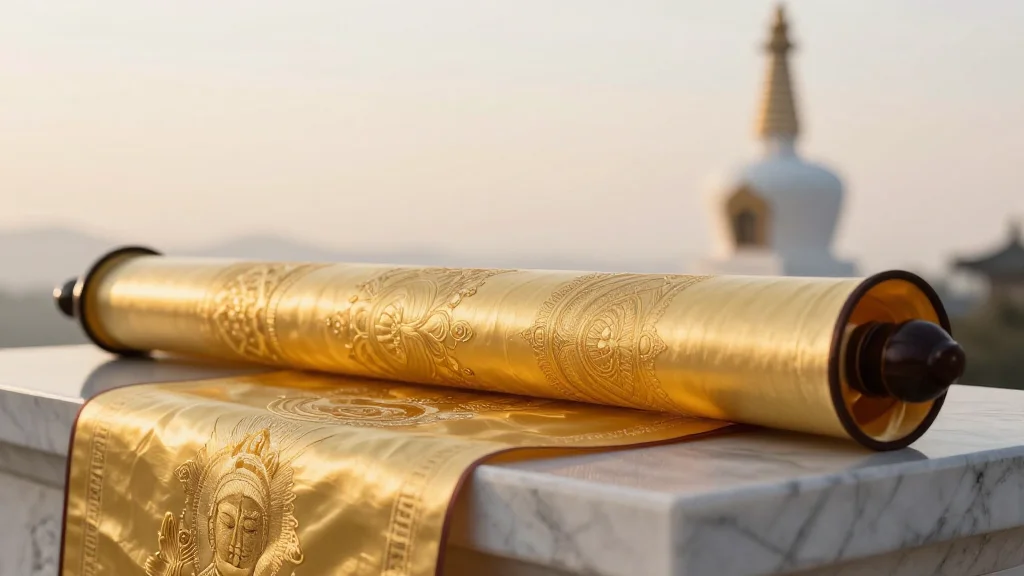
Gyalwang Drukpa Unveils 200‑Metre Avalokitesvara Scroll in Vietnam, Calls for World Peace

Why It Matters
The unveiling of the 200‑metre Avalokitesvara scroll represents a rare convergence of religious devotion, cultural heritage, and diplomatic outreach. By framing a spiritual practice within a national commemoration, Vietnam signals its willingness to leverage Buddhism as a bridge between domestic unity and international peace initiatives. For the global Buddhist community, the scroll serves as a tangible embodiment of the Drukpa Lineage’s emphasis on compassionate action, potentially inspiring similar large‑scale devotional projects in other countries. Moreover, the event highlights the growing role of spiritual leaders in soft‑power strategies. Gyalwang Drukpa’s presence not only amplifies the visibility of Tibetan Buddhism but also offers a platform for dialogue on pressing issues such as climate change, migration, and geopolitical tension. As governments increasingly seek non‑political avenues to foster goodwill, high‑profile religious ceremonies like this may become integral components of cultural diplomacy.
Key Takeaways
- •His Holiness Gyalwang Drukpa visited Vietnam on April 25, 2026 for the Hung Kings' Commemoration Day.
- •A 200‑metre Avalokitesvara prayer scroll, handwritten in Tibetan, was unveiled at Tay Thien Mandala Stupa.
- •The scroll weighs 28 kg, is 41 cm in diameter, and contains three tiers of peace‑focused prayers.
- •Gyalwang Drukpa warned, "It is sad that the world is experiencing so much upheaval and chaos," urging inner compassion.
- •The three‑day festival expects over 200,000 visitors and includes 3D‑mapping light shows and meditation workshops.
Pulse Analysis
The Gyalwang Drukpa’s Vietnam tour illustrates a strategic shift in how Buddhist institutions mobilize cultural capital for geopolitical influence. Historically, Tibetan Buddhist leaders have relied on exile politics and diaspora networks; this event, however, embeds the lineage within a sovereign nation’s national narrative, granting it a veneer of state endorsement. Such alignment can amplify the reach of Buddhist peace messaging while also subjecting it to the host country’s diplomatic calculus.
From a market perspective, the ceremony creates new opportunities for religious tourism and heritage branding. Phú Thọ’s local economy stands to benefit from increased foot traffic, hospitality demand, and media exposure. Meanwhile, the scroll itself becomes a portable asset—its future rotations to other regional temples could generate a circuit of pilgrimage that reinforces cross‑border Buddhist solidarity, potentially translating into soft‑currency flows for monasteries and associated NGOs.
Looking ahead, the key question is whether the spiritual rhetoric will translate into measurable policy outcomes. If the scroll’s message inspires collaborative initiatives—such as joint climate‑action workshops or conflict‑resolution forums—then the event could serve as a template for faith‑based diplomacy. Conversely, without concrete follow‑through, the ceremony risks being perceived as symbolic theater. Stakeholders will be watching the upcoming Thai visit and any subsequent inter‑governmental statements for signs of lasting impact.
Gyalwang Drukpa Unveils 200‑Metre Avalokitesvara Scroll in Vietnam, Calls for World Peace
Comments
Want to join the conversation?
Loading comments...