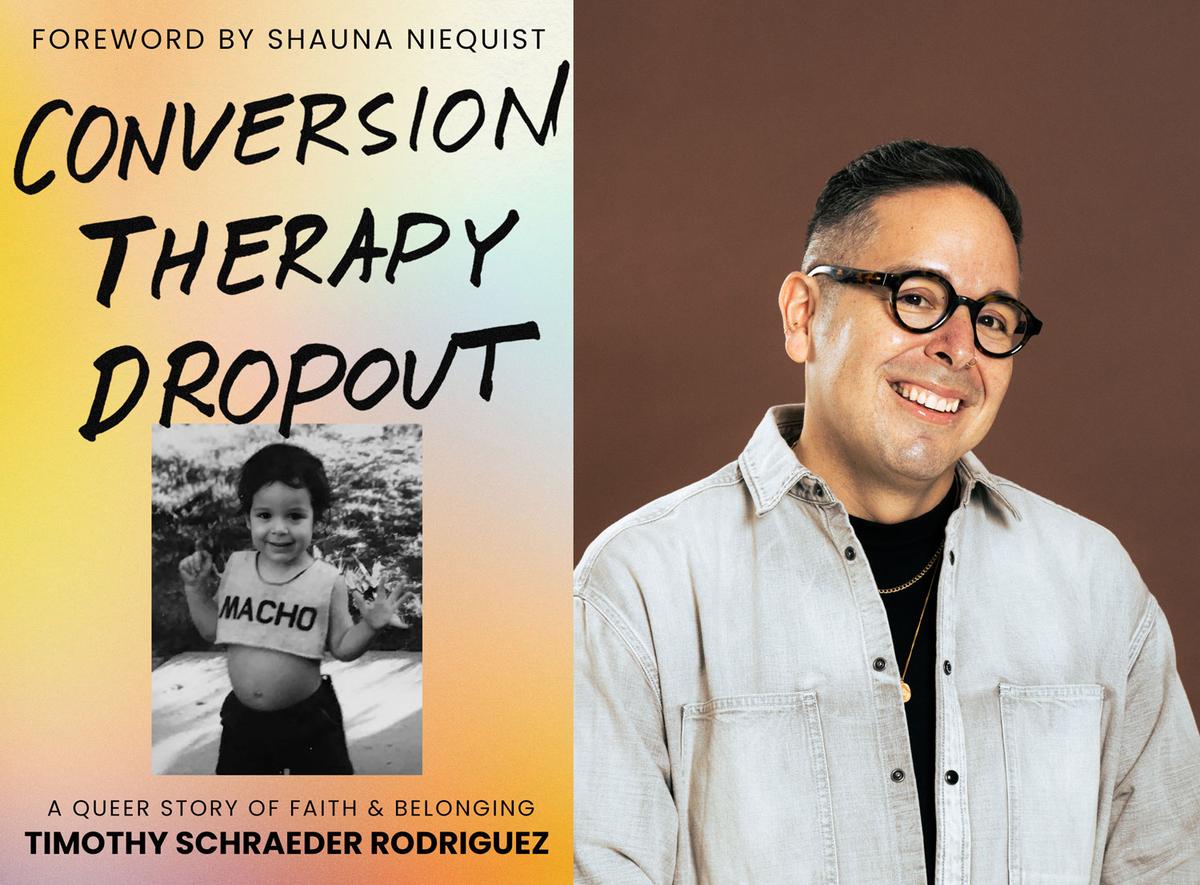
In ‘Conversion Therapy Dropout,’ a Survivor Exposes the Discredited Practice
Why It Matters
The decision highlights the tension between religious freedom claims and LGBTQ youth protection, influencing future legislation and corporate ESG considerations. Continued exposure threatens mental‑health outcomes and amplifies calls for federal action.
Key Takeaways
- •Supreme Court upheld Colorado ban, limiting conversion therapy exemptions
- •Survivor's memoir reveals ongoing religious conversion practices despite legal bans
- •Data shows LGBTQ youth exposure to conversion therapy doubled recently
- •Religious exemptions allow therapy to persist, increasing mental‑health risks
- •Church Clarity website guides LGBTQ seekers to affirming congregations
Pulse Analysis
The Supreme Court’s recent 8‑1 decision to uphold Colorado’s conversion‑therapy ban marks a pivotal moment in the legal battle over LGBTQ rights. While the ruling preserves state‑level prohibitions for minors, it also leaves a loophole for religious‑based exemptions, allowing faith‑aligned groups to continue offering discredited practices. Currently, 27 states have enacted bans, but the patchwork of legislation creates uneven protection across the country, prompting advocates to push for a uniform federal standard that reconciles religious liberty with the need to safeguard vulnerable youth.
Timothy Schraeder Rodriguez’s new memoir, "Conversion Therapy Dropout," provides a rare insider’s view of the psychological and spiritual tactics used by organizations like Exodus International. His eight‑year ordeal, from behavior‑modification drills to forced prayer, mirrors contemporary methods that have resurfaced on social media platforms under the guise of “faith‑based counseling.” Academic research consistently links conversion therapy to heightened suicide risk, substance abuse, and long‑term trauma. The Trevor Project’s recent report that LGBTQ youth exposure to such programs has doubled in a single year underscores the urgency of addressing these covert operations, which often evade regulation by exploiting religious exemptions.
The persistence of conversion therapy has broader implications for policymakers, investors, and corporate leaders focused on ESG criteria. Strengthening federal legislation could close exemption gaps, while tools like the Church Clarity database empower LGBTQ individuals to identify affirming congregations, fostering inclusive community engagement. For businesses, supporting advocacy and mental‑health initiatives can mitigate reputational risk and align with a growing consumer demand for social responsibility. As the legal landscape evolves, stakeholders must monitor both court rulings and grassroots movements to ensure that protective measures translate into tangible safety for LGBTQ people nationwide.
In ‘Conversion Therapy Dropout,’ a survivor exposes the discredited practice
Comments
Want to join the conversation?
Loading comments...