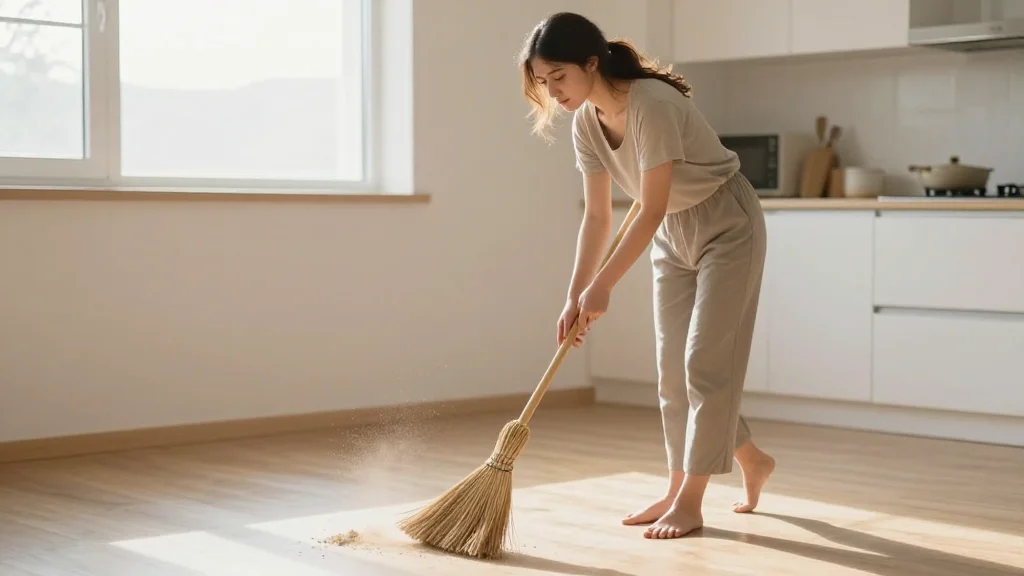
INFOnews Highlights Mindful Chores as a Spiritual Boost for Mental Health

Why It Matters
Linking mundane chores to spiritual practice expands the toolkit for mental‑health resilience, especially for individuals who find formal meditation intimidating. By framing cleaning as a form of mindfulness, the approach democratizes access to spiritual benefits, reaching a broader demographic that includes busy professionals and caregivers. The trend also signals a shift in how spiritual traditions are communicated in the digital age. When ancient monastic teachings are translated into practical, home‑based activities, they become more relatable and can inspire new forms of community engagement, potentially revitalizing interest in Zen and other contemplative paths.
Key Takeaways
- •Zen monk Shoukei Matsumoto describes cleaning as a way to remove worldly desires and attachments.
- •Psychologist Holly Schiff links repetitive chores to nervous‑system regulation and a sense of control.
- •Mindful cleaning is being marketed by wellness apps and home‑care brands as a mental‑health tool.
- •Community cleaning events are emerging as group meditation practices in temples and civic spaces.
- •Future research may quantify cortisol reduction and mood improvement from mindful household chores.
Pulse Analysis
The iNFOnews piece taps into a broader cultural pivot where spirituality is no longer confined to temples or yoga studios but is being woven into the fabric of daily life. Historically, monastic disciplines like "samu" (work practice) have been central to Zen training, yet their translation into secular contexts marks a novel diffusion of practice. This diffusion is propelled by a wellness industry hungry for evidence‑based, low‑cost interventions that can be marketed to a mass audience.
From a market perspective, the convergence creates a fertile ground for cross‑sector partnerships. Companies that produce cleaning supplies can align their branding with mental‑health narratives, while mental‑health platforms can integrate chore‑based mindfulness modules into their offerings. However, the risk of superficial appropriation looms large; if the practice is stripped of its ethical and philosophical underpinnings, it may become a gimmick rather than a genuine path to inner calm.
Looking ahead, the key to sustainable impact will be rigorous research and authentic collaboration with spiritual teachers. If longitudinal studies confirm measurable benefits—such as reduced cortisol or improved anxiety scores—mindful cleaning could become a staple in both clinical recommendations and corporate wellness policies, cementing its place as a bridge between ancient spirituality and modern mental‑health strategies.
iNFOnews Highlights Mindful Chores as a Spiritual Boost for Mental Health
Comments
Want to join the conversation?
Loading comments...