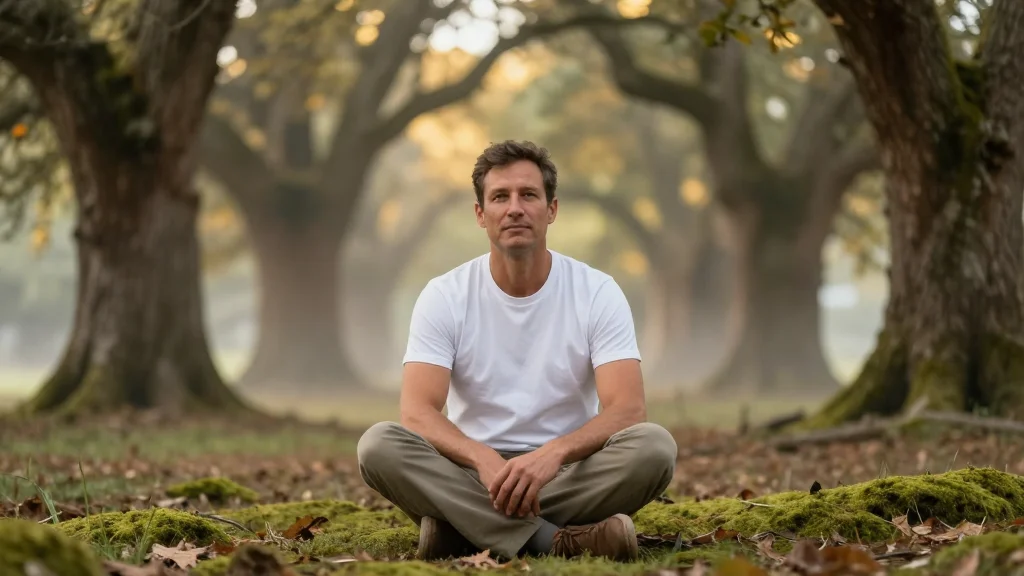
Lindsay Branham Launches “Enter Tree Time” Ultra‑Slow Mindfulness Practice

Companies Mentioned
Why It Matters
The launch of “Enter Tree Time” signals a shift in the spirituality and wellness sectors toward practices that integrate ecological awareness with mental‑health techniques. By grounding mindfulness in the slow rhythms of nature, the method offers a counterpoint to fast‑paced digital lifestyles, potentially reducing stress, improving emotional regulation, and fostering a deeper sense of belonging to the planet. If validated by scientific study, it could reshape therapeutic protocols and inspire policy makers to prioritize green spaces as public health assets. Furthermore, the practice’s public rollout at a high‑profile venue like Esalen underscores the commercial viability of nature‑based experiences. Investors and wellness entrepreneurs are likely to watch the pilot’s outcomes closely, as successful scaling could open new markets for retreat centers, eco‑tourism operators, and digital‑detox programs, reinforcing the economic case for preserving natural habitats.
Key Takeaways
- •Lindsay Branham, Cambridge PhD researcher, introduced “Enter Tree Time” at Esalen Institute in May 2026.
- •The practice asks participants to abandon digital devices and move at the pace of trees, emphasizing present‑moment awareness.
- •Quotes: Lao Tzu – “The Earth doesn’t rush and yet everything is accomplished”; Branham – “When we enter tree time, we start noticing more.”
- •Florence Williams described the concept as “a story about finding safety with nature.”
- •Upcoming pilot study at Cambridge aims to measure stress‑reduction effects; podcast episode on “Biophilic Solutions” scheduled for June 2026.
Pulse Analysis
“Enter Tree Time” arrives at a moment when the wellness industry is seeking differentiation beyond conventional meditation apps. Its ecological framing taps into a growing consumer desire for authenticity and tangible connection to the natural world. Historically, mindfulness movements have oscillated between secular, tech‑driven formats and more rooted, embodied practices; Branham’s model leans heavily toward the latter, echoing the 1970s back‑to‑the‑land ethos but with a modern scientific veneer.
From a market perspective, the practice could catalyze a niche segment of ultra‑slow retreats, similar to the rise of forest‑bathing (shinrin‑yoku) in Japan. If the Cambridge pilot demonstrates measurable reductions in cortisol or blood pressure, insurers and employers may begin to subsidize such programs, creating a feedback loop that drives further adoption. However, scalability remains a challenge: the immersive, device‑free environment requires dedicated natural settings and trained facilitators, limiting rapid expansion.
Looking ahead, the success of “Enter Tree Time” will hinge on its ability to translate anecdotal joy into quantifiable health outcomes. Should the forthcoming research validate its claims, we could see a wave of curriculum development, certification pathways, and integration into public‑health initiatives. Conversely, without robust data, the practice risks being relegated to a boutique trend. Either way, Branham’s initiative spotlights the enduring tension between technology‑driven mindfulness and the human yearning for slower, nature‑anchored experiences.
Lindsay Branham Launches “Enter Tree Time” Ultra‑Slow Mindfulness Practice
Comments
Want to join the conversation?
Loading comments...