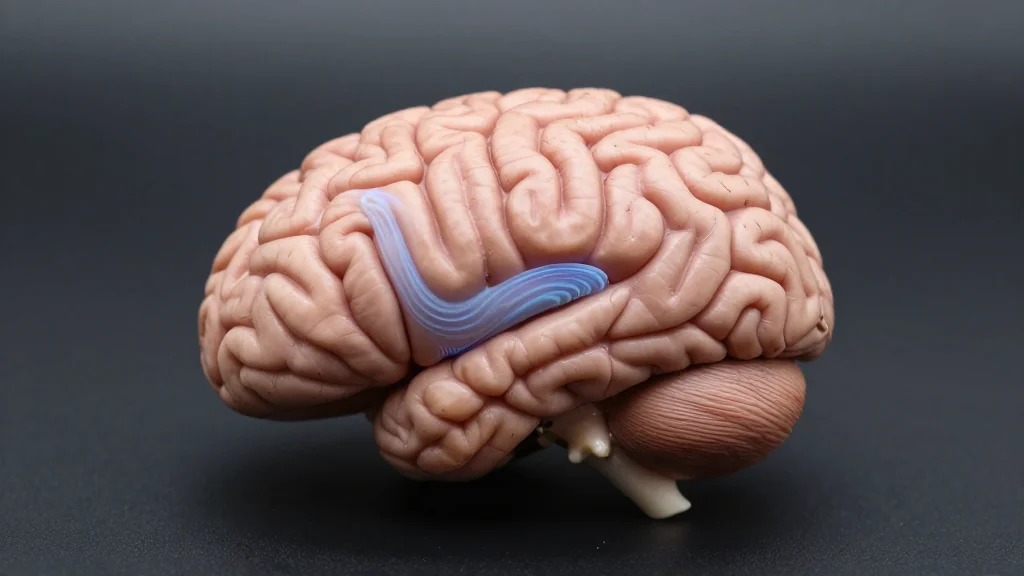
LMU Researchers Pinpoint Thalamic Oscillation as Biological Signature of Consciousness

Why It Matters
The identification of a thalamic oscillation that maps directly onto conscious versus unconscious states provides a concrete physiological anchor for age‑old spiritual questions about the nature of awareness. By offering a measurable correlate, the discovery could transform how meditation, prayer, and other contemplative practices are studied, moving them from anecdotal reports to data‑driven inquiry. Clinically, the marker opens new avenues for diagnosing and treating disorders of consciousness, potentially allowing clinicians to track recovery with unprecedented precision. Moreover, the work challenges the long‑standing divide between materialist neuroscience and experiential spirituality. If a brain rhythm can be reliably linked to the subjective feeling of being awake or dreaming, it suggests that spiritual experiences may be grounded in specific neural dynamics, inviting a more integrated discourse that respects both empirical rigor and phenomenological depth.
Key Takeaways
- •LMU team discovers a 20‑45 Hz thalamic oscillation present only during wakefulness and REM sleep.
- •The oscillation disappears entirely during non‑REM sleep, providing a binary marker of consciousness.
- •Study uses intracranial recordings from epilepsy patients undergoing deep‑brain stimulation.
- •Researchers propose the rhythm could serve as a measurable signature for both clinical and spiritual applications.
- •Future work aims to validate non‑invasive proxies and explore links with meditation and altered states.
Pulse Analysis
The thalamic oscillation discovery arrives at a moment when neuroscience is increasingly intersecting with contemplative science. Historically, attempts to locate a "neural correlate of consciousness" have produced diffuse candidates—global workspace activity, gamma synchrony, or frontoparietal networks—each with methodological caveats. By focusing on a deep‑lying hub that can be recorded directly, the LMU team sidesteps many of those ambiguities, delivering a clear, state‑specific signal.
From a market perspective, the finding could catalyze a new wave of neurotechnology aimed at quantifying mindfulness and other spiritual practices. Companies developing wearable EEG devices may seek to calibrate their algorithms against the thalamic benchmark, promising users a more accurate readout of meditative depth. Simultaneously, biotech firms focused on disorders of consciousness might leverage the oscillation as a biomarker for drug trials, potentially accelerating regulatory pathways.
Looking ahead, the biggest challenge will be translating an invasive measurement into a practical, everyday tool. If successful, the oscillation could become the "gold standard" for assessing consciousness, reshaping both clinical protocols and the way spiritual traditions articulate the mechanics of awareness. The dialogue sparked by this research underscores a broader cultural shift: a willingness to let hard data inform, rather than invalidate, the subjective realms that have long been the domain of spirituality.
LMU Researchers Pinpoint Thalamic Oscillation as Biological Signature of Consciousness
Comments
Want to join the conversation?
Loading comments...