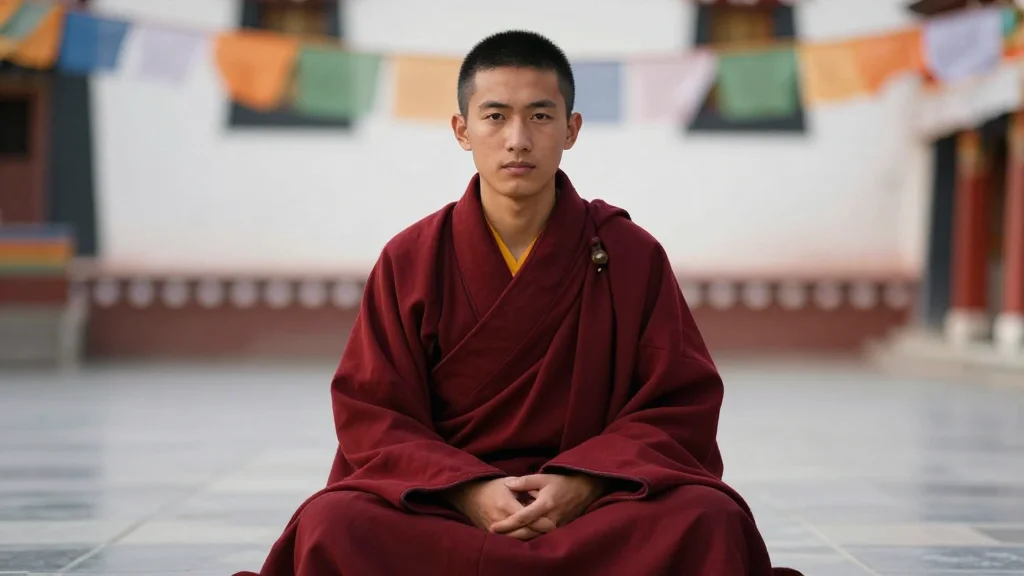
Minnesota Teen Jalue Dorje Becomes Buddhist Monk in Indian Himalayas

Why It Matters
Dorje’s transition illustrates a growing appetite among Western youth for immersive spiritual experiences that challenge consumerist norms. By choosing a life of renunciation, he highlights the appeal of ancient practices in a digital age, prompting religious institutions to consider how they engage with a globally connected audience. Moreover, his story may influence how families and communities perceive the balance between cultural heritage and personal identity. The case also raises questions about the sustainability of monastic recruitment from abroad. As more Westerners enter traditional orders, monasteries must navigate language barriers, cultural adjustments, and the preservation of doctrinal purity while remaining accessible to newcomers.
Key Takeaways
- •19‑year‑old Jalue Dorje left Minnesota for Mindrolling Monastery in India after high school in 2025.
- •Recognized as the eighth Terchen Taksham Rinpoche by the Dalai Lama at age two.
- •Dorje presents a golden plate and khata to Shechen Rabjam Rinpoche, marking his first monastic offering.
- •He maintains subtle American habits, such as wearing Crocs under his robe.
- •His parents traveled from Minneapolis to Nepal to reunite with him during his transition.
Pulse Analysis
Jalue Dorje’s decision to become a monk reflects a broader cultural shift where young Americans are increasingly disillusioned with material success and are turning to spiritual traditions that promise deeper purpose. Historically, Western interest in Buddhism surged during the 1960s counterculture, but today’s seekers are more likely to pursue formal monastic training rather than casual meditation. Dorje’s fluency in Tibetan and his early recognition by high‑ranking lamas give him a unique legitimacy that many Western converts lack, potentially positioning him as a future ambassador for Tibetan Buddhism in the West.
From an institutional perspective, Tibetan Buddhist lineages are adapting to a globalized world by embracing diaspora candidates. This strategy helps preserve the continuity of reincarnated lineages while expanding the faith’s geographic reach. However, the influx of Western monks may also pressure monasteries to modernize certain practices, risking tension between tradition and adaptation. Dorje’s subtle retention of American cultural symbols—like Crocs and pop‑culture charms—suggests a hybrid identity that could become a model for future cross‑cultural religious figures.
Looking forward, Dorje’s journey may inspire other young Americans to consider monastic life, prompting both religious leaders and secular observers to reassess the role of spirituality in a hyper‑connected, consumer‑driven society. If this trend gains momentum, we could see a new wave of Western‑born lamas who navigate dual identities, potentially reshaping the public perception of Buddhism in the United States.
Minnesota Teen Jalue Dorje Becomes Buddhist Monk in Indian Himalayas
Comments
Want to join the conversation?
Loading comments...