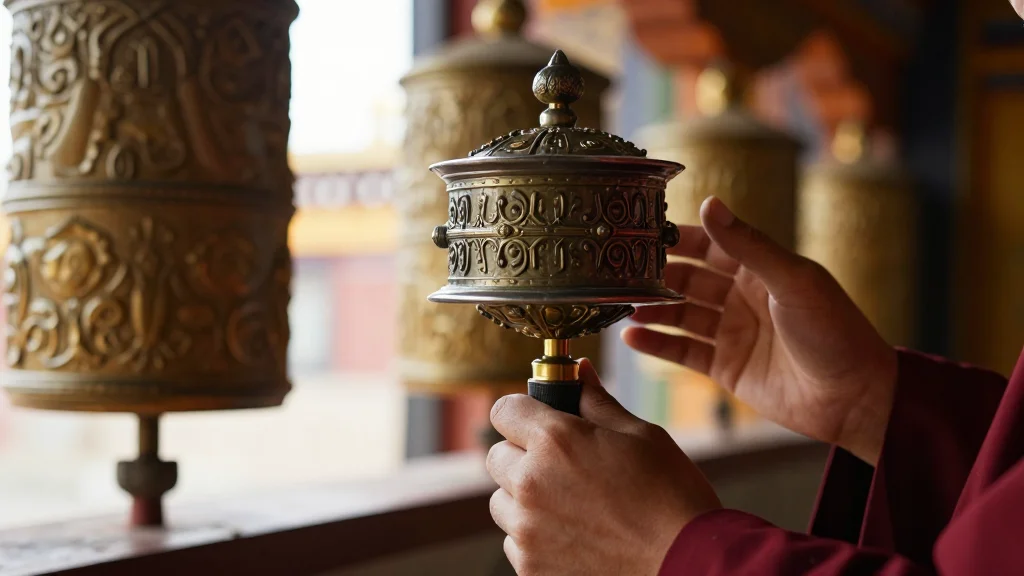
Namkhai Nyingpo Rinpoche Leads Six-Day Prayer for World Peace in Shimla Amid West Asia Conflict

Why It Matters
The Shimla prayer event illustrates how traditional Buddhist institutions are adapting to modern crises by foregrounding peace, mental health and environmental stewardship. By publicly aligning with calls for an end to the Iran‑Israel‑USA hostilities, the Nyingma school leverages its spiritual authority to influence public discourse, potentially encouraging policymakers and civil society to consider mindfulness‑based approaches to conflict resolution. Moreover, the emphasis on the young reincarnated lama signals a strategic investment in the next generation of leaders who can bridge ancient doctrine with global activism, ensuring the tradition remains resonant in a rapidly changing world. The gathering also reflects a broader pattern of spiritual activism where faith communities mobilise around geopolitical events, offering moral framing and collective rituals that can galvanise followers across borders. As media coverage expands, such events may inspire similar initiatives in other traditions, contributing to a more pluralistic, spiritually informed dialogue on peace and sustainability.
Key Takeaways
- •Namkhai Nyingpo Rinpoche led a six‑day prayer and teaching series at Dorje Drak Monastery in Shimla.
- •Event featured Vajrakilaya, Manjushri Senge empowerments and Northern Treasures practices.
- •Focus on world peace amid the Iran‑Israel‑USA conflict and on young reincarnated lama Jigdrel Pema Shedrup Tenpai Gyaltsen.
- •Kunga Lama emphasized mind‑transformation as the first step toward global peace.
- •Organizers plan online streams and workshops to extend the teachings beyond the monastery.
Pulse Analysis
The Shimla gathering marks a notable shift in how Tibetan Buddhist institutions engage with international affairs. Historically, monastic events were inward‑facing, preserving lineage and doctrinal purity. By explicitly invoking the West Asia conflict, the Nyingma school signals a willingness to step onto the global stage, using ritual as soft power. This mirrors a broader trend where spiritual leaders, from the Dalai Lama to Pope Francis, frame geopolitical tensions in moral and psychological terms, seeking to influence public sentiment and, indirectly, policy.
From a strategic perspective, the emphasis on the young Yangsi Rinpoche serves a dual purpose: it reaffirms the continuity of the Nyingma lineage while presenting a relatable, youthful figure who can attract media attention and appeal to younger, globally‑connected audiences. The integration of modern concerns—climate change, mental health, scientific interest in meditation—into the narrative broadens the movement’s relevance beyond traditional adherents, potentially opening new avenues for cross‑cultural collaboration and funding.
Looking ahead, the success of this event could inspire similar high‑profile, issue‑oriented gatherings across other Buddhist schools and faith traditions. If these initiatives gain traction, they may reshape the role of spirituality in diplomatic discourse, positioning religious diplomacy as a complementary channel to conventional statecraft. However, the impact will hinge on the ability of such events to translate symbolic prayers into concrete actions, such as supporting peace‑building NGOs or influencing legislative debates on conflict resolution and environmental policy.
Namkhai Nyingpo Rinpoche Leads Six-Day Prayer for World Peace in Shimla Amid West Asia Conflict
Comments
Want to join the conversation?
Loading comments...