New Times of India Opinion Calls Solitude a Core Spiritual Discipline

Why It Matters
The article spotlights a shift in spiritual practice toward intentional solitude, a counter‑trend to the hyper‑connected, community‑driven models that dominate contemporary mindfulness. By framing silence as a teacher, the piece invites practitioners to confront the ego directly, potentially leading to deeper, more resilient forms of inner development. This perspective could influence retreat centers, spiritual teachers, and mental‑health professionals to integrate longer periods of silence into curricula and therapeutic protocols. Moreover, the emphasis on mentorship to prevent the “spiritual marketplace” highlights a need for qualified guides in an era where spiritual content is often commodified. If institutions respond, we may see a rise in certified solitude mentors, structured silent retreats, and research into the neuro‑psychological benefits of extended silence, reshaping how spirituality is taught and experienced.
Key Takeaways
- •Times of India publishes a new opinion piece on May 5, 2026, framing solitude as a core spiritual discipline.
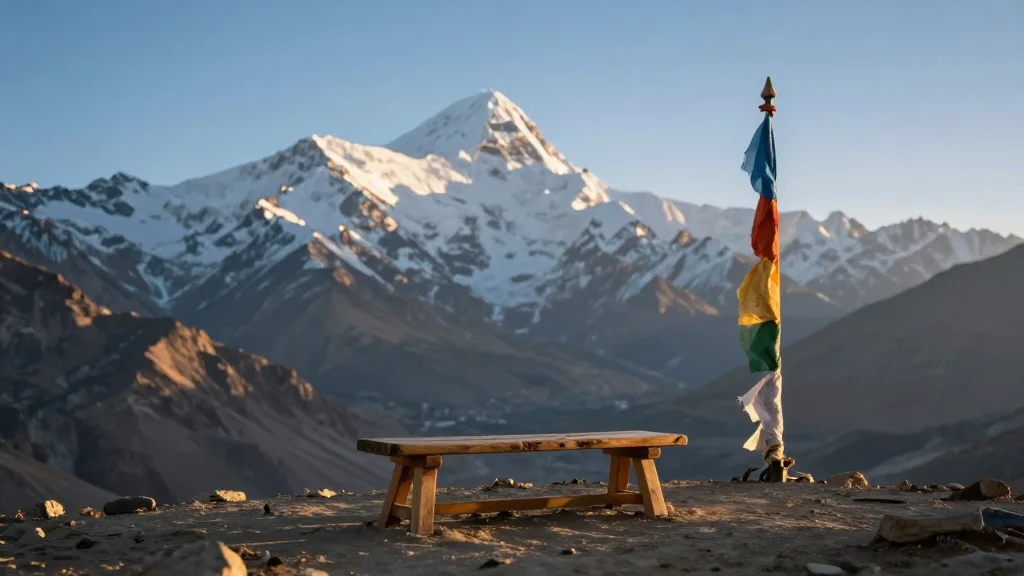
- •Author recounts personal monastic retreat in Ladakh, describing how silence exposes ego patterns.
- •The piece warns that without guidance, the spiritual path can become a marketplace.
- •Solitude is presented as an active teacher that strips away both worldly and spiritual identities.
- •Calls for mentorship and structured silent retreats to deepen inner growth.
Pulse Analysis
The resurgence of solitude as a spiritual practice reflects a broader cultural fatigue with constant connectivity. While mindfulness apps have democratized meditation, they often offer bite‑size experiences that leave deeper ego structures untouched. The Times of India article taps into a growing desire for depth, suggesting that prolonged silence can catalyze a more profound deconstruction of self. Historically, monastic traditions have leveraged isolation, but modern seekers lack the institutional scaffolding that once supported such journeys. This gap creates an opportunity for retreat centers to design programs that blend traditional silence with contemporary support systems, such as remote mentorship and evidence‑based mental‑health integration.
From a market perspective, the narrative aligns with a niche but expanding segment of spiritual tourism focused on silent retreats in remote locations like Ladakh, the Himalayas, and the American Southwest. Investors and spiritual entrepreneurs may view this as a signal to fund longer‑duration, low‑tech retreats that promise transformative outcomes. However, the article’s caution about the “spiritual marketplace” underscores the risk of commodifying solitude, potentially diluting its efficacy. Authenticity will become a differentiator; centers that prioritize qualified teachers and transparent practices are likely to attract discerning practitioners.
Looking ahead, we can expect academic interest to rise, with psychologists and neuroscientists studying the impact of extended silence on brain plasticity, emotional regulation, and ego dissolution. If research validates the claimed benefits, solitude could transition from a fringe practice to a mainstream therapeutic tool, influencing everything from corporate wellness programs to public health policy. The Times of India piece, while an opinion column, may thus serve as an early indicator of a paradigm shift toward deeper, silence‑based spirituality.
New Times of India Opinion Calls Solitude a Core Spiritual Discipline
Comments
Want to join the conversation?
Loading comments...