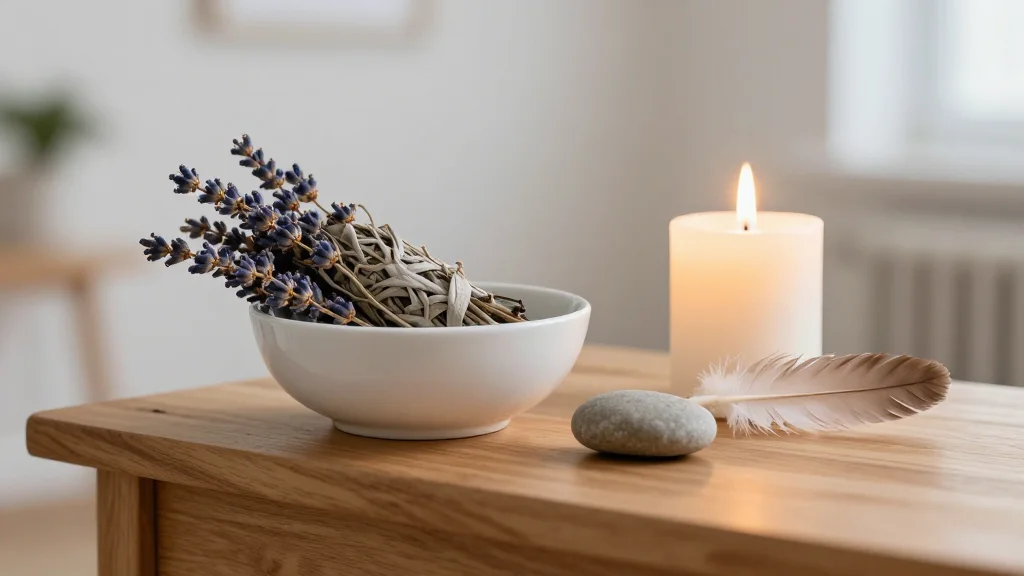
Notre Dame Hosts ‘Ritual Y Sanación’ Event Spotlighting Healing Poetry

Why It Matters
The Notre Dame event illustrates a shift in higher education toward recognizing and legitimizing folk‑spiritual practices as subjects of serious scholarly inquiry. By situating brujería, curanderismo and santería within a university‑sponsored ritual, the program challenges the historic marginalization of these traditions and offers a model for how institutions can foster inclusive, embodied approaches to spirituality. For the broader spirituality landscape, the ceremony demonstrates the power of artistic expression to bridge personal trauma and collective healing. As more universities adopt similar experiential formats, practitioners and scholars may find new pathways for integrating ritual practice into mental‑health initiatives, community outreach, and interdisciplinary research.
Key Takeaways
- •April 14, 2026: Notre Dame hosts “Ritual y Sanación” featuring poet Xavier Cavazos and PhD student Karla Maravilla
- •Cavazos’ collection *The Devil’s Workshop* won the 2024 Eric Hoffer Medal Provocateur Award
- •Event blends poetry with folk‑spiritual traditions like brujería, curanderismo and santería
- •Cavazos serves as visiting poet for a week, including a class lecture and museum residency
- •Program fulfills the LASER experiential training requirement, signaling academic commitment to socially engaged research
Pulse Analysis
Notre Dame’s “Ritual y Sanación” marks a notable convergence of literary art and embodied spirituality at a time when universities are actively re‑examining the role of ritual in public life. Historically, academic institutions have treated folk‑spiritual practices as peripheral or anthropological curiosities. This event, however, positions them at the core of a pedagogical experiment, suggesting a re‑calibration of what counts as legitimate knowledge production.
The partnership between the Institute for Latino Studies, Letras Latinas and the Raclin Murphy Museum exemplifies a growing ecosystem of cross‑disciplinary collaborations that leverage artistic residencies to generate research outputs. By embedding poets within museum spaces and classroom settings, Notre Dame creates a feedback loop where creative work informs scholarship and vice‑versa. This model could inspire other institutions to develop similar residencies that treat ritual performance as both data and intervention.
Looking forward, the success of this event may accelerate funding and curricular support for experiential programs that blend spirituality, art and social justice. As students seek more holistic approaches to mental health and community building, universities that can offer ritual‑based, culturally grounded experiences will likely attract both talent and resources. The challenge will be to balance scholarly rigor with the lived, often sacred, dimensions of the practices being studied, ensuring that academic inquiry does not dilute the transformative power that participants experience.
Notre Dame Hosts ‘Ritual y Sanación’ Event Spotlighting Healing Poetry
Comments
Want to join the conversation?
Loading comments...