Olga Fröbe-Kapteyn — the Artist Who Built an Archive to Decode Dreams
Companies Mentioned
Why It Matters
The archive offers scholars and artists a systematic visual taxonomy of archetypal symbols, deepening Jungian scholarship and inspiring contemporary art that seeks meaning beyond materialism.
Key Takeaways
- •Collected 6,000 mythic and ritual images for Jungian dream analysis
- •Founded Eranos symposium, hosting Jung as inaugural speaker in 1933
- •“Meditation drawings” fuse Art Deco with sacred geometry, influencing modern abstraction
- •Archive now housed at Warburg Institute, fueling research and exhibitions worldwide
Pulse Analysis
Olga Fröbe‑Kapteyn’s lifelong obsession with the unconscious produced a visual repository that rivals any academic library. By gathering six thousand mythological, ritualistic and symbolic images, she created the Archive for Research in Archetypal Symbolism, a tool that allows Jungian analysts to trace recurring motifs across cultures. Housed today at the Warburg Institute in London, the archive serves psychologists, historians and designers who need a reliable source for comparative symbolism, reinforcing the idea that visual language can bridge centuries of human experience.
Beyond the archive, Fröbe‑Kapteyn’s Eranos symposium reshaped intellectual exchange in the interwar period. The Ascona gathering attracted philosophers, writers and psychoanalysts, with Carl Jung delivering the first lecture on “Yoga and Meditation in the East and the West.” This apolitical forum demonstrated how interdisciplinary dialogue could address the spiritual vacuum of industrial modernity, a model that contemporary think‑tanks and art residencies still emulate when they seek holistic approaches to cultural crises.
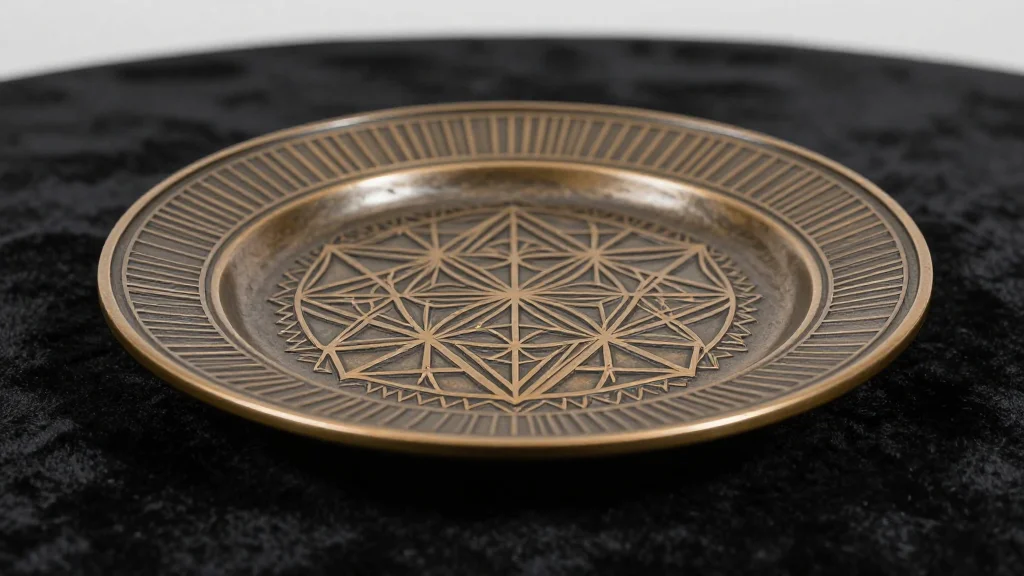
Her artistic output, especially the “meditation drawings” produced between 1926 and 1934, anticipates today’s resurgence of abstract spirituality. The works combine Art Deco elegance with mandalas, planetary symbols and sacred geometry, influencing later avant‑garde figures such as Kandinsky and Hilma af Klint. Recent exhibitions at TEFAF New York, the Guggenheim and Milan’s Fondazione Nicola Trussardi have re‑introduced her visual lexicon to a new generation, confirming that Fröbe‑Kapteyn’s blend of mysticism and modernism remains a fertile reference point for artists navigating the invisible realms of the psyche.
Olga Fröbe-Kapteyn — the artist who built an archive to decode dreams
Comments
Want to join the conversation?
Loading comments...