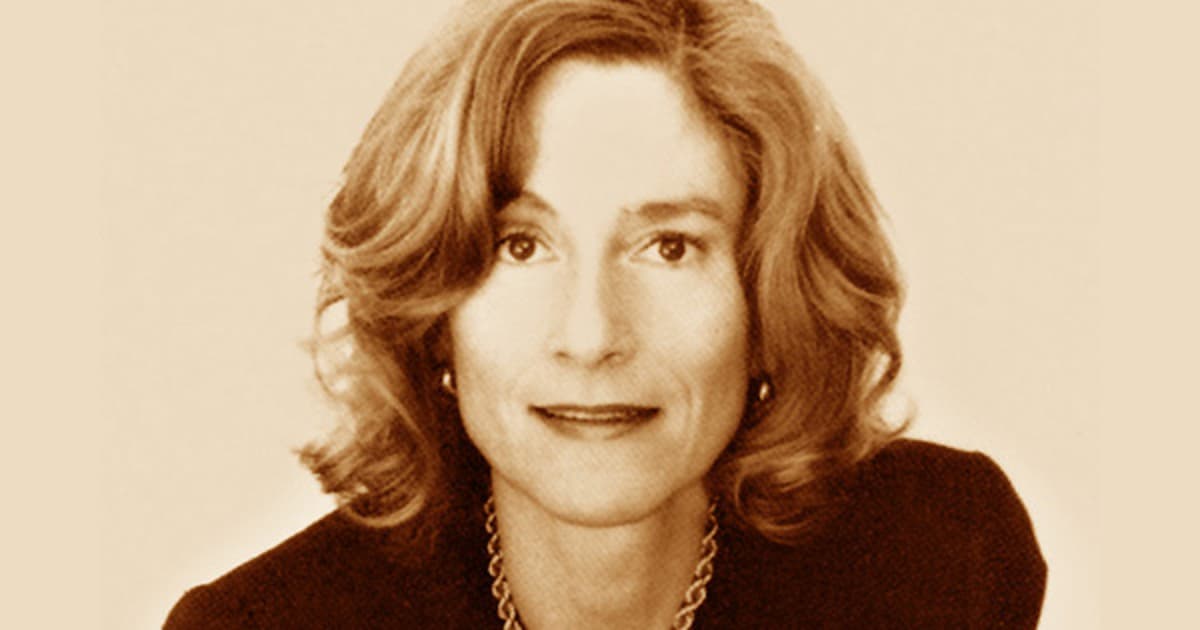
Philosopher Martha Nussbaum on How to Live with Our Human Fragility
Key Takeaways
- •Nussbaum links moral goodness to embracing unavoidable vulnerability
- •Trusting uncertainty is essential for authentic human and organizational relationships
- •Tragic choices arise when deep commitments clash, not from indecisiveness
- •Retreating to self‑interest erodes societal bonds and personal purpose
- •Leaders can foster resilience by valuing openness over rigid control
Pulse Analysis
Martha Nussbaum’s dialogue with Bill Moyers bridges classical philosophy and today’s leadership dilemmas. Drawing on Greek tragedies such as *Hecuba* and *Agamemnon*, she argues that moral excellence is not an abstract ideal but a lived openness to the world’s uncertainty. This perspective reframes vulnerability from a weakness to a strategic asset, urging individuals and executives to accept the possibility of being morally wounded as a sign of authentic engagement.
In the corporate arena, Nussbaum’s emphasis on trust in the uncertain reshapes risk management and ethical governance. Companies that encourage employees to voice concerns, admit mistakes, and rely on collective judgment build a culture where uncertainty is managed rather than suppressed. Such environments reduce the temptation to retreat into self‑preservation, which can erode stakeholder trust and undermine long‑term value creation.
Practically, leaders can apply Nussbaum’s lessons by cultivating deep, purposeful commitments—whether to customers, employees, or societal goals—while acknowledging that these commitments may generate inevitable trade‑offs. By framing conflict as a sign of meaningful engagement rather than failure, organizations can navigate tragic choices with resilience. The result is a more humane, adaptable enterprise that thrives on openness, trusts its people, and turns fragility into a source of sustainable competitive advantage.
Philosopher Martha Nussbaum on How to Live with Our Human Fragility
Comments
Want to join the conversation?