Pope Leo Calls for Non‑Violence, Announces Global Easter Vigil for Peace

Why It Matters
The pope’s Easter appeal reframes the Catholic Church’s role from a passive observer of global strife to an active moral catalyst urging non‑violent solutions. By invoking the universal language of Easter, Leo reaches beyond Catholic adherents to a broader spiritual audience, potentially influencing diplomatic discourse and grassroots peace movements. The announced vigil provides a concrete platform for interfaith collaboration, signaling that religious leadership can still shape public consciousness on war and peace. If the Vatican can leverage this moral authority into tangible diplomatic channels—especially during the upcoming African tour—it may set a precedent for faith‑based mediation in protracted conflicts. Conversely, failure to translate rhetoric into action could reinforce skepticism about the practical relevance of papal pronouncements in a world dominated by real‑politik.
Key Takeaways
- •Pope Leo’s Easter Urbi et Orbi call urges global leaders to lay down weapons and choose dialogue.
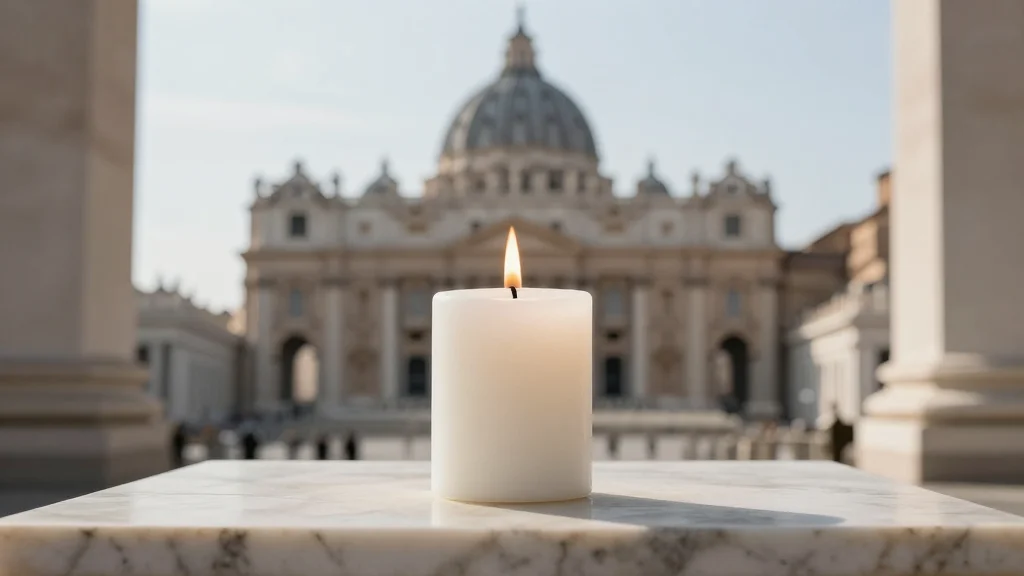
- •Announces a public prayer vigil for peace on April 11 in St. Peter’s Square.
- •Shifts focus from naming conflict zones to confronting a “globalization of indifference.”
- •Vigil precedes a ten‑day African tour, signaling a push for on‑the‑ground peace initiatives.
- •The address has sparked both praise from faith leaders and caution from political analysts.
Pulse Analysis
Pope Leo’s Easter address arrives at a moment when religious voices are increasingly called upon to mediate geopolitical tensions. Historically, papal interventions—such as John Paul II’s role in the fall of communism—have demonstrated that moral authority can translate into political leverage when paired with strategic timing and diplomatic outreach. Leo’s emphasis on non‑violence aligns with a broader resurgence of spiritual activism, seen in movements like the Climate‑Justice faith coalition and interfaith peace summits.
The decision to forego a list of specific war zones is a calculated move to avoid alienating any particular nation while still condemning the systemic acceptance of violence. This universal framing may broaden the Vatican’s appeal, especially among younger believers who prioritize global justice over doctrinal rigidity. However, the effectiveness of such a stance hinges on the pope’s ability to mobilize concrete diplomatic channels during his African tour, where conflicts over resources, ethnic tensions, and external interventions are acute.
Looking ahead, the April 11 vigil could serve as a litmus test for the Vatican’s capacity to convene diverse stakeholders—governments, NGOs, and faith communities—around a shared non‑violent agenda. If the event garners significant international participation and media attention, it may pressure political leaders to consider faith‑based mediation as a legitimate avenue. Conversely, a low‑turnout or purely symbolic ceremony could reinforce the perception that papal pronouncements, while spiritually resonant, lack the clout to alter the calculus of war. The coming months will reveal whether Leo’s Easter message evolves from a powerful sermon into a catalyst for measurable peacebuilding outcomes.
Pope Leo Calls for Non‑Violence, Announces Global Easter Vigil for Peace
Comments
Want to join the conversation?
Loading comments...