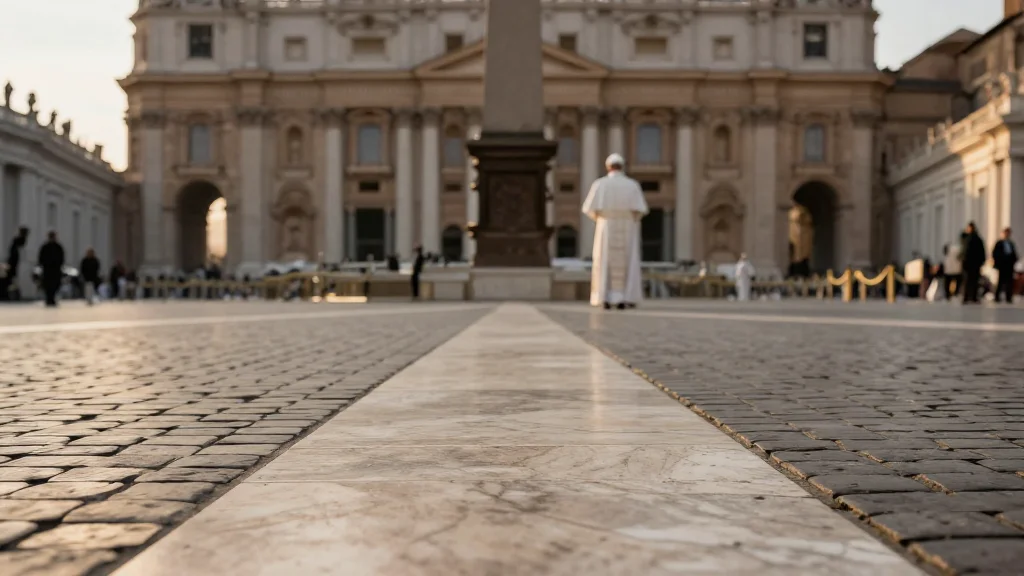
Pope Leo XIV Calls Liturgical Rhythm Essential for Modern Faith

Why It Matters
The Pope’s emphasis on liturgy arrives at a moment when many Catholics report disengagement from traditional worship practices. By positioning the rite as a concrete pathway to spiritual renewal, the Vatican seeks to reverse trends of declining Mass attendance and to re‑anchor faith in tangible, communal experiences. The focus on symbols such as holy water also offers a pedagogical tool for catechesis, helping believers translate abstract doctrine into lived reality. Beyond the Catholic Church, the message resonates across the broader spirituality landscape, where ritual fatigue and the search for authentic practices are common. Leo XIV’s call to “pause” and “regenerate the heart” may inspire other faith traditions to re‑evaluate the role of ceremony in an age of digital distraction, potentially sparking inter‑faith dialogues on the power of embodied worship.
Key Takeaways
- •Pope Leo XIV highlighted the liturgy’s “solemn simplicity” as essential for modern believers (June 3, 2026).
- •He urged full‑body participation: “with our full selves – body, mind and heart –.”
- •Cited Vatican II’s Sacrosanctum Concilium as the foundation for contemporary liturgical reforms.
- •Emphasized symbols, noting that holy water “rekindles” baptismal commitment.
- •Future catechesis will continue exploring Vatican II documents to deepen liturgical understanding.
Pulse Analysis
Pope Leo XIV’s address reflects a strategic pivot by the Holy See toward liturgical revitalization as a means of cultural relevance. Historically, the post‑Vatican II era saw a surge in lay participation, yet recent surveys indicate a plateau or decline in Mass attendance, especially among younger Catholics. By framing the rite as a “pause that regenerates the heart,” the Pope taps into a growing desire for mindfulness and intentionality that transcends doctrinal boundaries. This rhetorical shift aligns with broader spiritual trends where ritual is re‑imagined as a therapeutic practice rather than a mere obligation.
The emphasis on symbols such as water also signals a pedagogical recalibration. In an era of visual media, tangible signs can bridge the gap between abstract theology and everyday experience. By linking water to biblical narratives, the Pope provides a narrative scaffold that can be leveraged in catechetical programs, digital evangelization, and parish formation initiatives. If parishes adopt these insights, we may see a measurable uptick in active participation metrics, from sacramental attendance to volunteer engagement.
Looking ahead, the Vatican’s liturgical focus could influence ecumenical and inter‑faith conversations. Many traditions grapple with the balance between structure and spontaneity; Leo XIV’s assertion that liturgical logic “is not to constrain freedom within rigid frameworks” offers a model for dialogue. Should other denominations adopt a similar stance, the ripple effect could reshape how ritual functions in the global spirituality marketplace, positioning the Catholic Church as a leader in the renewal of embodied worship.
Pope Leo XIV Calls Liturgical Rhythm Essential for Modern Faith
Comments
Want to join the conversation?
Loading comments...