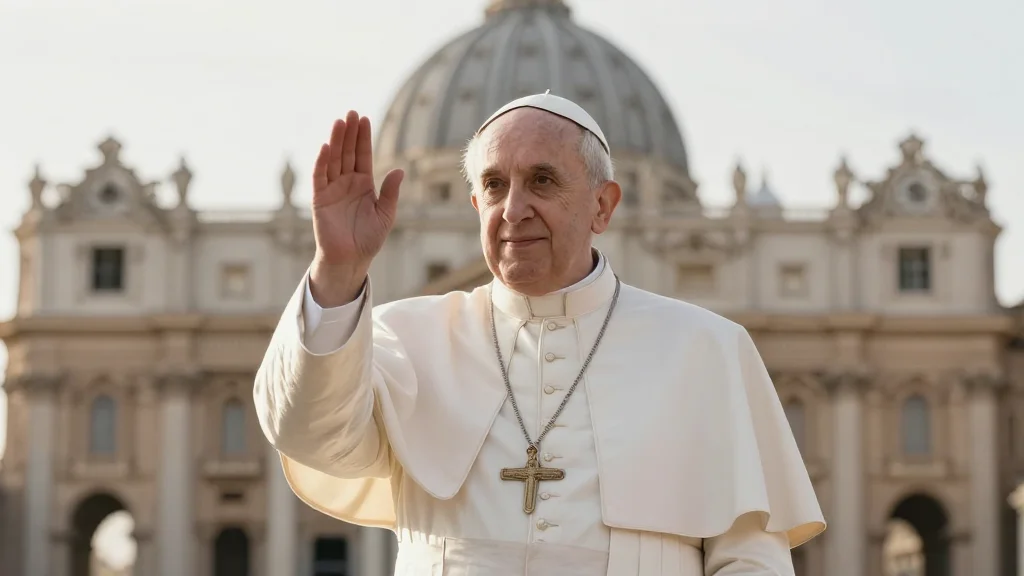
Pope Leo XIV Calls Liturgy the Engine of Faith Renewal in May 2026 Audience

Why It Matters
The pope’s articulation of liturgy as the engine of renewal reasserts the sacramental core of Catholic identity at a time when many parishes face declining attendance. By tying worship to ethical living and peace initiatives, the message seeks to revitalize parish engagement and reinforce the Church’s moral authority in geopolitical hotspots. Moreover, the ecumenical overture to the Armenian Apostolic Church signals a strategic push toward Christian unity, which could reshape collaborative efforts on humanitarian crises and interfaith dialogue. For the broader spirituality landscape, the emphasis on lived liturgy offers a template for other faith traditions grappling with the balance between ritual preservation and modern relevance. As religious leaders worldwide observe the Vatican’s stance, the discourse on how sacred rites can inspire social action is likely to intensify.
Key Takeaways
- •Pope Leo XIV highlighted liturgy as the primary source of spiritual renewal on May 20, 2026.
- •He referenced Sacrosanctum Concilium, stressing its role in immersing believers in Christ’s mystery.
- •The audience featured Armenian Catholicos Aram I, underscoring ecumenical outreach.
- •Leo called for prayers for peace in Lebanon and the Middle East amid ongoing conflict.
- •He urged Catholics to translate liturgical experience into daily ethical action.
Pulse Analysis
Pope Leo XIV’s reaffirmation of liturgical centrality arrives at a crossroads for the Catholic Church. Historically, the Second Vatican Council opened the door to liturgical reform, yet recent decades have seen a pendulum swing between progressive adaptations and a resurgence of traditionalist sentiment. By anchoring his message in the council’s original intent, Leo seeks to bridge that divide, offering a doctrinally sound yet pastorally resonant vision.
The ecumenical gesture toward the Armenian Apostolic Church is more than symbolic. It reflects a strategic alignment that could amplify the Vatican’s diplomatic leverage in regions where Christian minorities are vulnerable. Joint prayers for Lebanon and the broader Middle East not only address immediate humanitarian concerns but also position the Church as a moral actor in geopolitical discourse.
Looking forward, the pope’s call for a “living sacrifice” that extends beyond the altar may inspire grassroots liturgical movements, encouraging parishes to integrate social justice initiatives directly into worship life. If successful, this could reverse trends of disengagement, especially among younger Catholics seeking tangible expressions of faith. Conversely, critics may argue that the emphasis on traditional liturgy could alienate those advocating for more contemporary worship forms. The Vatican’s ability to navigate these internal tensions while maintaining external ecumenical momentum will shape the trajectory of Catholic spirituality for years to come.
Pope Leo XIV Calls Liturgy the Engine of Faith Renewal in May 2026 Audience
Comments
Want to join the conversation?
Loading comments...