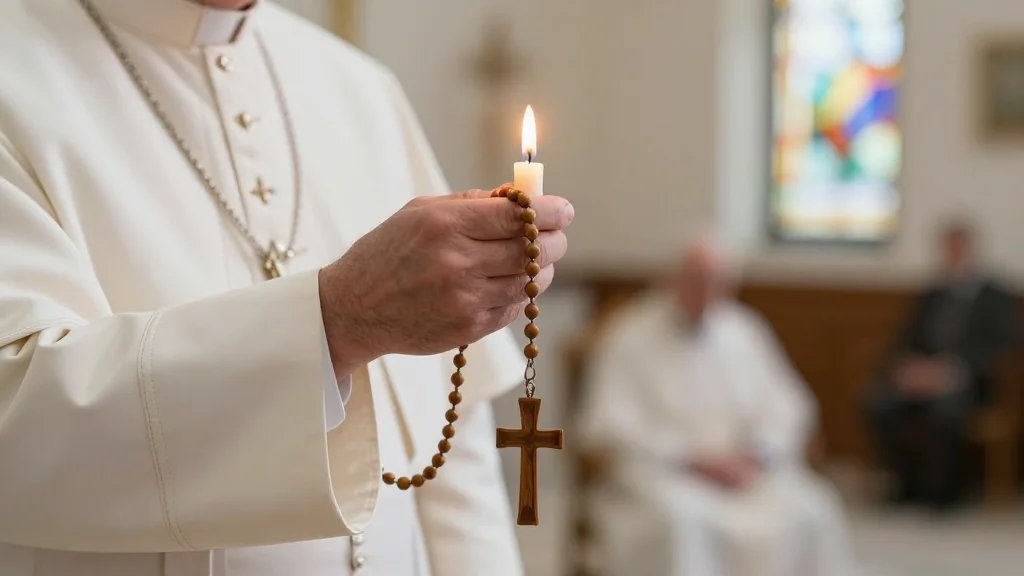
Pope Leo XIV Decries Lust for Dominance After Algeria Visit

Why It Matters
The pope’s admonition reframes the just‑war conversation by foregrounding the internal moral character of leaders, a perspective that could influence how governments justify the use of force. By invoking Augustine, Leo bridges centuries‑old theology with contemporary geopolitics, reminding policymakers that ethical legitimacy rests on humility and service to the vulnerable. For believers worldwide, the message reinforces the Catholic Church’s role as a moral compass in an era of political polarization. It also offers faith‑based organizations a theological rallying point to advocate for peace‑building initiatives, potentially reshaping humanitarian funding and diplomatic outreach.
Key Takeaways
- •Pope Leo XIV warned against the lust for dominance during a visit to a nursing home in Annaba, Algeria on April 14, 2026.
- •The pope quoted Augustine, emphasizing that God’s heart is with the humble, not the arrogant or proud.
- •His remarks intersect with renewed debate over the Catholic just‑war tradition amid the U.S.–Iran conflict.
- •The Vatican aims to pair theological statements with grassroots encounters to influence public opinion.
- •Leo will address the UN General Assembly and European leaders, likely extending his humility message to global diplomacy.
Pulse Analysis
Leo’s Augustinian framing marks a strategic shift for the Vatican, moving from abstract doctrinal pronouncements to a more psychologically nuanced critique of power. By highlighting "right intention" as a core criterion, the pope challenges leaders to introspect on personal ambition, a move that could resonate with younger Catholics disillusioned by institutional rigidity. Historically, papal interventions in geopolitics have ranged from the Cold War’s moral pressure on nuclear arms to recent calls for climate action. This latest appeal builds on that legacy, but its effectiveness will hinge on whether secular policymakers are willing to let theological concepts shape real‑world strategy.
The timing also dovetails with a broader resurgence of moral discourse in international relations, where scholars and activists invoke religious ethics to critique militarism. Leo’s emphasis on humility may inspire faith‑based NGOs to demand greater accountability from governments, potentially leading to new coalitions that blend diplomatic channels with grassroots advocacy. However, skeptics warn that without concrete policy proposals, the pope’s words risk being relegated to symbolic rhetoric. The upcoming UN address will be a litmus test: if Leo translates his Augustinian insights into actionable recommendations, the Vatican could reassert itself as a substantive moral actor on the world stage.
Looking ahead, the pope’s message could catalyze a re‑examination of how religious traditions inform modern concepts of just war, especially as cyber‑conflict and hybrid warfare blur traditional battle lines. If leaders internalize the call for humility, we may see a shift toward diplomatic resolutions that prioritize human dignity over strategic dominance—a development that would align closely with the Church’s long‑standing advocacy for peace and the protection of the vulnerable.
Pope Leo XIV Decries Lust for Dominance After Algeria Visit
Comments
Want to join the conversation?
Loading comments...