Psychedelics and the Search for Truth
Why It Matters
Integrating psychedelics into legal, religious and humanistic scholarship could reshape policy, expand epistemic rights, and deepen our understanding of consciousness in an AI‑focused era.
Key Takeaways
- •Psychedelics classified as Schedule I, limiting research
- •Feldman links psychedelic experience to epistemic discovery
- •Law, religion, humanities could collaborate on psychedelic studies
- •Cognitive liberty debates raise legal and ethical challenges
- •AI era heightens need to understand consciousness via psychedelics
Pulse Analysis
The past decade has witnessed a renaissance in psychedelic research, driven by early clinical trials suggesting benefits for depression, anxiety, and PTSD. Yet, the U.S. Drug Enforcement Administration’s Schedule I designation keeps most compounds out of mainstream medicine, forcing researchers to navigate a patchwork of exemptions and institutional review boards. Universities, think tanks, and biotech firms are now lobbying for clearer pathways, recognizing that the therapeutic promise of substances like psilocybin and MDMA could transform mental‑health care if regulatory hurdles ease.
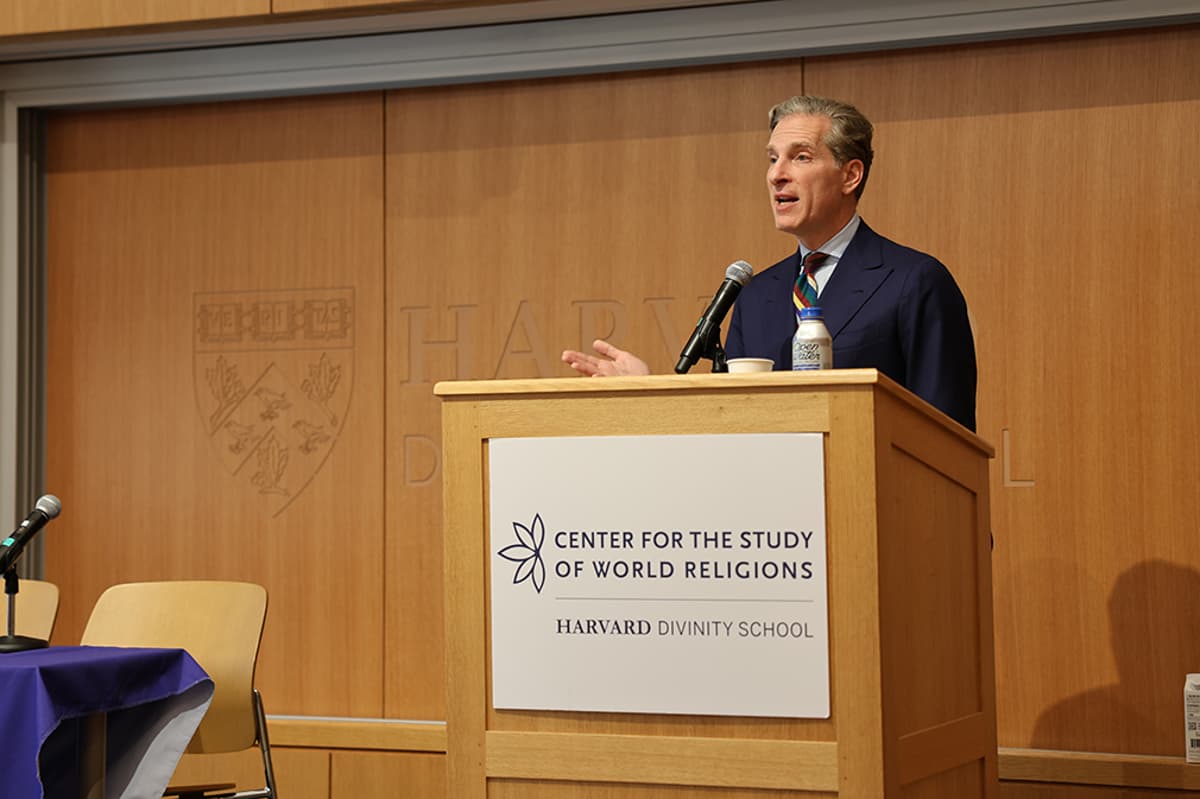
At Harvard’s Psychedelics Intersections Conference, Professor Noah Feldman framed psychedelics not merely as a medical curiosity but as an epistemic instrument—a means to expand the human capacity for truth‑seeking. Drawing on medieval Islamic philosophy and recent Columbia Law School scholarship, he argued that altered‑state experiences engage the imaginative faculty, producing insights that can be translated into legal doctrine, theological discourse, and literary analysis. By positioning psychedelic use as a right to acquire knowledge, Feldman shifts the conversation from religious or cognitive liberty to a broader claim of intellectual freedom, inviting scholars to treat phenomenological reports as primary data for interdisciplinary inquiry.
The implications extend beyond academia. As artificial intelligence blurs the line between synthetic and organic cognition, policymakers must grapple with questions of consciousness, agency, and ethical responsibility. Feldman's call for a collaborative framework—linking law, religion, and the humanities—offers a roadmap for crafting nuanced regulations that protect public health while honoring epistemic rights. Harvard’s joint effort among its Divinity School, Humanities Center, and Law School signals institutional momentum, suggesting that future legal reforms may accommodate controlled psychedelic research, thereby enriching both scientific understanding and cultural narratives about the mind.
Psychedelics and the search for truth
Comments
Want to join the conversation?
Loading comments...