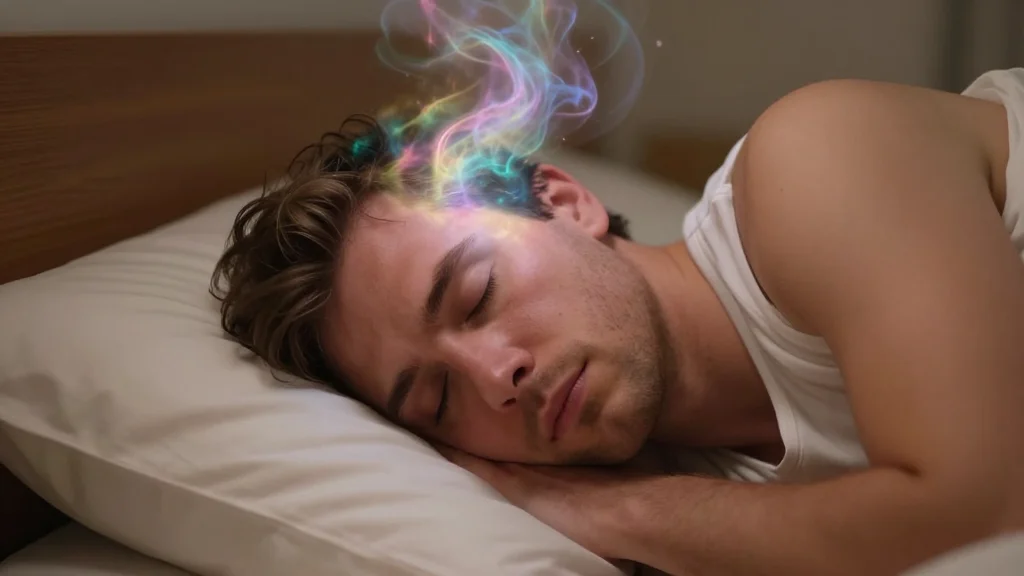
Study Links Personality and Shared Experiences to Dream Themes

Why It Matters
The study’s linkage of personality and collective experience to dream content offers a scientific foothold for spiritual frameworks that treat dreams as messages from the unconscious. By demonstrating that dreams reorganize waking life into novel narratives, the research validates practices such as dream journaling and guided interpretation used in many contemplative traditions. For the broader spirituality community, the findings suggest that personal growth work—whether through meditation, therapy, or ritual—could directly influence the texture of one’s dream life. As individuals cultivate self‑awareness and reshape their narratives, they may also steer the symbolic language of their dreams, creating a feedback loop that deepens introspection and emotional resilience.
Key Takeaways
- •Study analyzed data from ~300 adults and 3,700 dream reports
- •Personality traits like mind‑wandering predict fragmented dreams
- •Belief in dream significance predicts vivid, immersive dreams
- •Pandemic‑era dreams were dominated by anxiety‑related themes
- •Researchers plan neuroimaging follow‑up to map brain activity during REM
Pulse Analysis
The convergence of big‑data analytics and age‑old spiritual inquiry marks a turning point for how we understand the nocturnal mind. Historically, dream interpretation has been the domain of mystics, psychoanalysts, and folklore, each offering narratives that lack empirical grounding. This study injects quantitative rigor, showing that dream content is not random but systematically tied to measurable personality dimensions and shared sociocultural stressors.
From a market perspective, the findings could fuel a new wave of wellness products that blend neuroscience with spiritual practice—think AI‑driven dream‑analysis apps that tailor meditation scripts based on identified personality profiles. Companies that can translate these insights into user‑friendly tools may capture a growing audience seeking evidence‑based pathways to inner work.
Looking ahead, the planned neuroimaging component could resolve lingering debates about whether dreams are merely epiphenomena of brain maintenance or active meaning‑making processes. If brain scans reveal distinct activation patterns aligned with the identified dream themes, it would bolster the argument that dreams serve a functional, perhaps even evolutionary, role in emotional integration. Such evidence would further legitimize spiritual practices that prioritize dream work, positioning them alongside more mainstream mental‑health interventions.
Study Links Personality and Shared Experiences to Dream Themes
Comments
Want to join the conversation?
Loading comments...