Key Takeaways
- •It’s a Wonderful Life shows every life’s hidden societal impact
- •Rashomon introduces the Rashomon Effect, questioning objective truth
- •Blade Runner probes humanity through replicant consciousness
- •Stalker explores desire versus pragmatism in a surreal zone
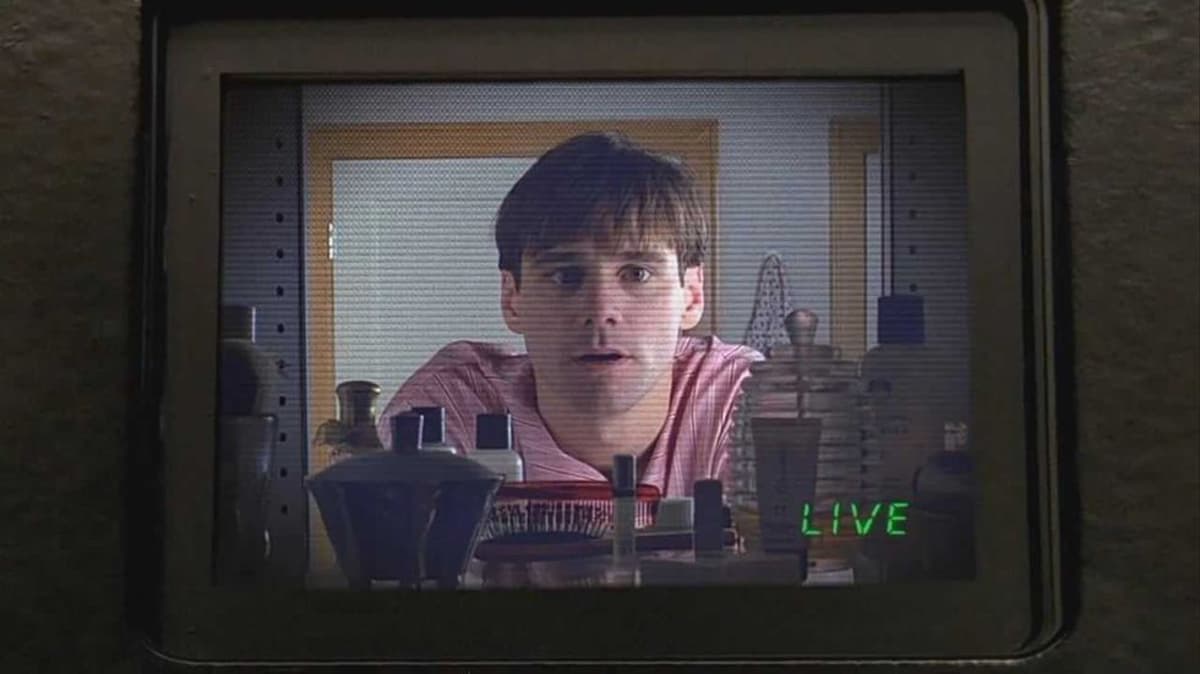
- •The Truman Show dramatizes free will versus manufactured reality
Pulse Analysis
Philosophy and film have long shared a symbiotic relationship, with movies acting as visual thought experiments that translate abstract ideas into lived experience. From Frank Capra’s 1946 classic It’s a Wonderful Life, which dramatizes the ripple effect of a single individual’s choices, to Andrei Tarkovsky’s 1979 Stalker, which turns the quest for desire into a meditation on idealism versus pragmatism, each work demonstrates how storytelling can illuminate ethical dilemmas and existential queries. By cataloguing these eight titles, the article underscores that cinema is not merely entertainment; it is a conduit for probing the human condition.
Across the decades, the selected films illustrate evolving philosophical preoccupations. Akira Kurosawa’s Rashomon (1950) birthed the “Rashomon Effect,” challenging viewers to confront the subjectivity of truth, while Nagisa Oshima’s Death by Hanging (1968) exposes cultural bias through dark humor. In the modern era, Ridley Scott’s Blade Runner (1982) and Peter Weir’s The Truman Show (1998) interrogate what it means to be human in a technologically mediated world, raising questions about artificial consciousness and the illusion of free will. This progression reflects broader societal shifts toward questioning reality, identity, and authority.
For industry professionals, recognizing the philosophical underpinnings of successful films can inform content strategy and audience engagement. As streaming platforms prioritize niche, intellectually stimulating series, the appetite for movies that double as philosophical discourse is growing. Filmmakers who embed substantive themes—whether exploring purpose in Terrence Malick’s The Tree of Life or the alienation of urban solitude in The Man Who Sleeps—stand to attract discerning viewers and generate lasting cultural impact. In short, the intersection of cinema and philosophy offers a fertile ground for storytelling that resonates beyond the box office, shaping both artistic legacy and public conversation.
The 8 Best Philosophical Movies of All Time
Comments
Want to join the conversation?