Why It Matters
If embraced, contemporary art could reshape religious discourse by offering new pathways to spiritual reflection, challenging entrenched aesthetic hierarchies in academia and the public sphere.
Key Takeaways
- •Smith sees abstract art as a conduit for mystical awareness
- •Traditionalists label modern art as merely shocking or relativistic
- •Martin’s grids encourage focused, word‑free contemplation
- •Federle’s void invites concentration beyond discursive habits
- •Art can become a secular oratory linking faith and aesthetics
Pulse Analysis
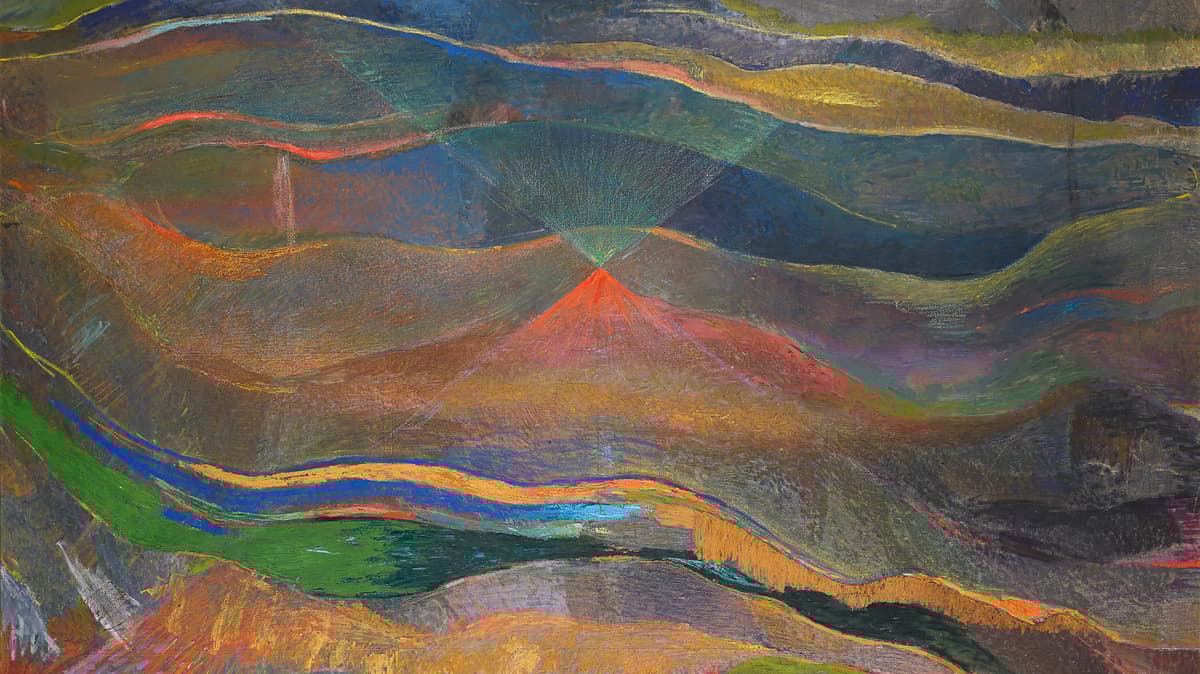
The debate over contemporary art’s spiritual merit has resurfaced with James K. A. Smith’s latest work, which positions abstract painting as a catalyst for mystical contemplation. By juxtaposing the reverent experience of Michelangelo’s *Pietà* with the inscrutable surfaces of Agnes Martin and Helmut Federle, Smith argues that modern art does not merely provoke; it cultivates a contemplative silence akin to the practices of 16th‑century mystics such as Teresa of Ávila. This reframing invites scholars, clergy, and art lovers to reconsider the role of aesthetic uncertainty in spiritual formation.
Critics like Roger Scruton have long dismissed post‑Renaissance art as a decline from objective beauty toward self‑indulgent relativism. Smith, however, suggests that the very lack of narrative in works like Martin’s *Friendship* or Federle’s *El Omrane* creates space for “new modes of awareness” that bypass analytical habit loops. By focusing on the materiality of brushstrokes or the tension of empty fields, viewers can experience a form of attention that mirrors contemplative prayer, fostering a direct, non‑verbal encounter with the transcendent.
The implications extend beyond philosophy into museum programming, theological education, and cultural policy. If institutions recognize abstract art as a legitimate spiritual resource, they may design exhibitions that encourage meditative engagement rather than purely informational tours. Likewise, faith communities could incorporate contemporary artworks into liturgical spaces, using them as visual anchors for silence and reflection. Smith’s thesis thus challenges entrenched aesthetic hierarchies and opens a dialogue where modern art and mysticism coexist, enriching both cultural criticism and spiritual practice.
The Avant-Garde Path to God
Comments
Want to join the conversation?
Loading comments...