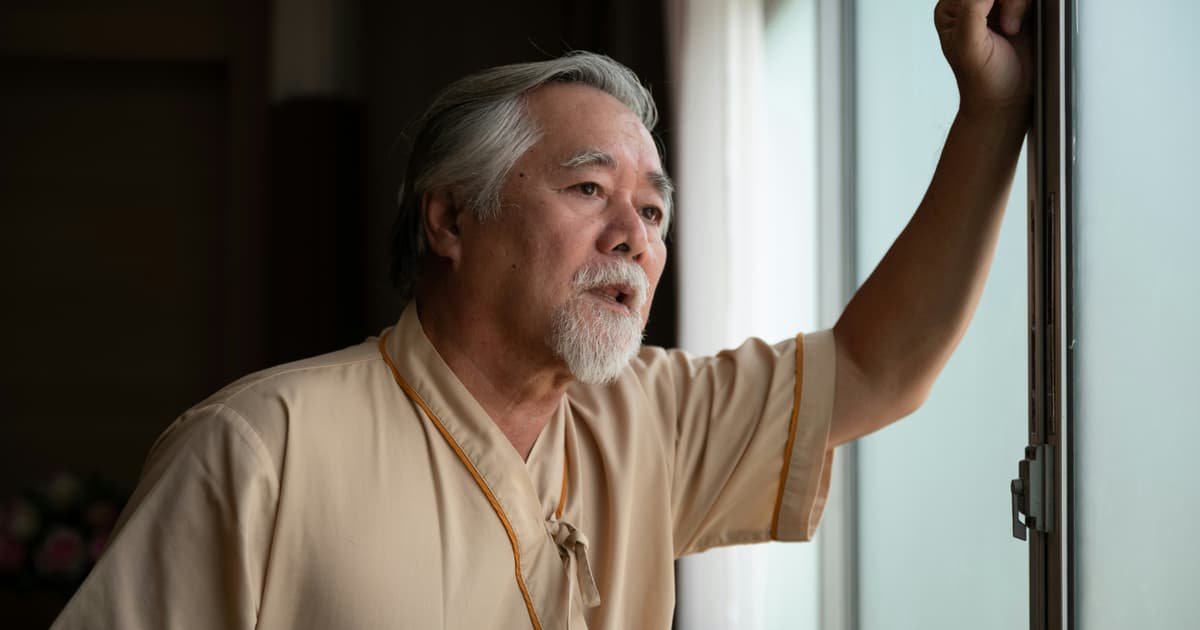
The Generation that Sacrificed the Most for Their Families Is Now Quietly Grappling with a Question Nobody Prepared Them For: If I Spent My Whole Life Living for Others, What Do I Actually Believe About How I Want to Live Now
Why It Matters
Understanding this hidden identity gap is critical for employers, insurers, and senior‑service providers, as it directly influences mental‑health outcomes, retirement satisfaction, and demand for age‑focused wellbeing programs.
Key Takeaways
- •Many seniors lack a personal preference vocabulary after decades of caregiving.
- •Longevity research shows purpose shifts to emotional significance when time feels limited.
- •Unaddressed identity gaps can lead to quiet grief and reduced wellbeing.
- •Simple daily mindfulness practices help older adults rediscover personal interests.
Pulse Analysis
The post‑World‑II generation that built America’s middle class did so by subordinating personal desire to family stability. As they enter the third age, a cultural blind spot becomes evident: a lack of language for self‑exploration. This phenomenon is not merely anecdotal; longitudinal studies from Stanford’s Center on Longevity and the Harvard Study of Adult Development confirm that older adults experience a shift toward emotionally meaningful pursuits when they perceive their future as finite. Yet, without a lifelong habit of introspection, many struggle to identify what truly energizes them, leading to a subtle, pervasive sense of disorientation.
From a market perspective, the silent identity crisis translates into measurable demand for services that go beyond traditional health care. Mental‑health providers, senior community centers, and fintech platforms that support purposeful retirement planning are seeing increased interest in programs that facilitate self‑discovery—guided journaling, hobby‑matching algorithms, and low‑intensity mindfulness apps. Insurers are also recalibrating risk models, recognizing that unmet emotional needs can exacerbate chronic conditions and increase utilization. By framing wellbeing as a holistic blend of relational richness and personal authenticity, businesses can capture a growing segment of affluent retirees seeking meaningful engagement rather than mere financial security.
Practical solutions are emerging at the grassroots level. Simple rituals—like savoring a morning coffee while noting one’s anticipation for the day—help re‑wire the internal compass. Community workshops that teach older adults to articulate preferences, coupled with peer‑support groups, are proving effective in reducing the quiet grief described by psychologists. For policymakers, investing in accessible mental‑health resources and encouraging intergenerational mentorship can turn this identity gap into an opportunity for societal enrichment, ensuring that the generation that gave so much also enjoys a well‑defined, self‑directed later life.
The generation that sacrificed the most for their families is now quietly grappling with a question nobody prepared them for: if I spent my whole life living for others, what do I actually believe about how I want to live now
Comments
Want to join the conversation?
Loading comments...