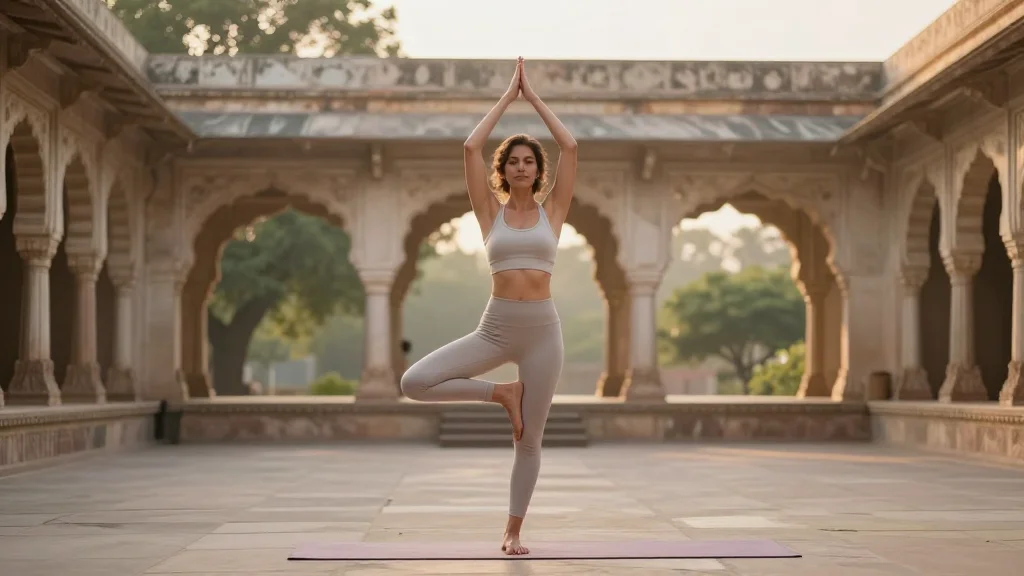
Thousands to Gather at Ujjain’s Mahakal Mahalok for International Yoga Day 2026

Why It Matters
The International Yoga Day celebration at Mahakal Mahalok underscores a growing convergence of spirituality, public health, and tourism in India. By leveraging a historic religious site, the event aims to reinforce the narrative that ancient practices can address modern wellness challenges, potentially influencing policy priorities around health promotion and cultural preservation. Additionally, the projected influx of participants and media attention could set a benchmark for how Indian cities monetize spiritual heritage, shaping future investments in infrastructure and marketing for wellness tourism. The initiative also reflects India's soft‑power strategy on the global stage. Showcasing a mass yoga event at a site linked to Lord Shiva projects an image of cultural continuity and spiritual depth, reinforcing the country's claim as the birthplace of yoga. This could attract further international collaborations, research grants, and cross‑cultural exchanges centered on holistic health, thereby extending the impact beyond a single day of celebration.
Key Takeaways
- •Mahakal Mahalok in Ujjain will host the main International Yoga Day event on June 21, 2026.
- •Thousands of participants are expected, coordinated by district authorities and the Mahakaleshwar Temple Committee.
- •Ujjain Collector Roshan Kumar Singh highlighted the city's spiritual significance as a key factor.
- •The event aims to boost wellness tourism, potentially generating $5 million+ in ancillary revenue.
- •Final logistical roadmap to be presented in early May after meetings with officials and representatives.
Pulse Analysis
Ujjain’s decision to anchor International Yoga Day at Mahakal Mahalok signals a deliberate shift toward integrating heritage sites into large‑scale health initiatives. Historically, yoga festivals have been staged in open parks or stadiums; moving the event to a sacred precinct adds a layer of spiritual gravitas that can deepen participant engagement. This approach aligns with a broader trend in India where governments are packaging cultural assets as economic drivers, a tactic seen in the recent push for heritage‑linked festivals in Rajasthan and Kerala.
From a market perspective, the event could catalyze a new niche of pilgrimage‑wellness tourism, where travelers seek both spiritual fulfillment and physical health benefits. If the projected revenue materializes, it may encourage other municipalities to invest in similar infrastructure—such as dedicated yoga pavilions, training centers, and digital platforms for virtual participation. However, the success hinges on meticulous crowd management and the ability to deliver a seamless experience that respects both religious sentiments and modern safety standards.
Looking ahead, the Mahakal Mahalok celebration could become a template for future collaborations between state governments and religious institutions. By positioning yoga as a bridge between ancient spirituality and contemporary health policy, India stands to reinforce its leadership in the global wellness economy while preserving its cultural legacy. The upcoming public roadmap meeting will be a litmus test for how effectively diverse stakeholders can align on a shared vision of holistic development.
Thousands to Gather at Ujjain’s Mahakal Mahalok for International Yoga Day 2026
Comments
Want to join the conversation?
Loading comments...