Being Wide Open in Troubling Times (Excerpt)
Why It Matters
Linking ego and higher nature provides actionable mental‑health tools that enhance resilience and clear decision‑making amid constant uncertainty.
Key Takeaways
- •Wide openness invites both beauty and world’s horrors, causing heart closure.
- •Ego's core fear is overwhelm; recognizing it enables integration.
- •Pause, breathe, and dialogue with ego to bridge higher and lower self.
- •Naming the ego creates safe space for honest fear expression.
- •Aligning heart and ego reduces paralysis, fostering resilient flow state.
Summary
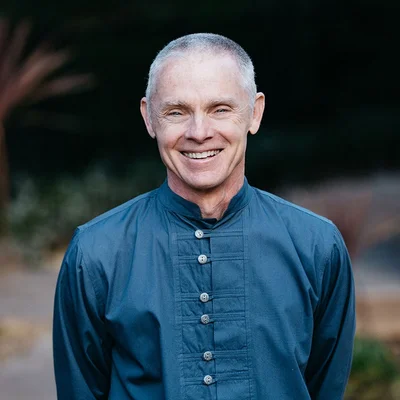
The video captures a candid conversation between a seeker and spiritual teacher Adyashanti about the paradox of being "wide open" during personal crises. The speaker recounts cycles of surrender after traumatic events—his wife’s illness, 9/11, job loss—and describes how an open heart initially brings unity but later collapses under the weight of global horrors, leading to fear and heart closure.
They identify the ego’s core fear as overwhelm and death, explaining that wide openness exposes both beauty and tragedy. This creates a split: a higher nature that knows everything is ultimately okay, and a lower ego that reacts with terror. Practical tools are offered—pause, breathe, name the ego, and ask it directly what it fears—to foster communication between these parts and prevent automatic shutdown.
Key moments include the teacher’s analogy of the ego to a frightened child and the quote, "When the ego sees the world as dangerous, it shuts down." He emphasizes that the higher self can hold the certainty that "everything is okay even if everything collapses," while the ego remains stuck in fear, requiring compassionate dialogue.
Integrating heart and ego can stop chronic paralysis, allowing individuals to stay engaged with reality without being overwhelmed. For leaders and professionals navigating turbulent times, this integration offers a pathway to resilient decision‑making and emotional stability, turning crises into opportunities for sustained flow.
Comments
Want to join the conversation?
Loading comments...