Beyond Differences
Why It Matters
The talk highlights that embracing shared humanity can reduce conflict and drive inclusive, collaborative business environments worldwide.
Key Takeaways
- •See every person first as a human, not a label.
- •Differences like race, faith, nationality fuel “us vs them” divisions.
- •Man‑made problems arise from artificial separations, not natural differences.
- •All 7 billion share responsibility for peace and compassion.
- •Embracing common humanity can create a happier, more peaceful world.
Summary
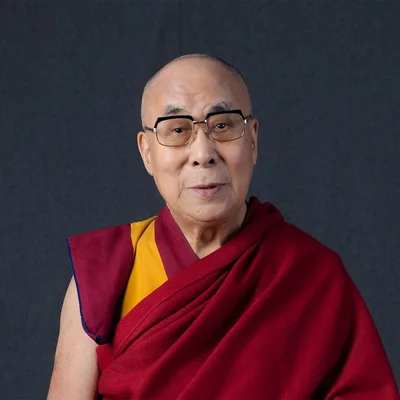
The Dalai Lama emphasizes that every encounter should begin with recognizing the other as a human being, not a title, nationality, or faith. He stresses that personal identity—whether Tibetan, Buddhist, or otherwise—should never eclipse our shared humanity.
He argues that artificial distinctions such as race, religion, and nationality create a “we‑and‑them” mindset that fuels conflict and many of today’s crises. These divisions, he says, are the root of man‑made problems that could be avoided if we focus on common responsibility.
Notable remarks include, “I never consider I’m Tibetan or Buddhist; I simply look at you as a human being,” and “All 7 billion of us have a common responsibility to create a happier, peaceful humanity.” These statements illustrate his call for universal compassion.
For businesses and policymakers, the message underscores the strategic value of inclusive cultures and cross‑border collaboration. By transcending identity‑based barriers, organizations can foster innovation, reduce risk, and contribute to a more stable global market.
Comments
Want to join the conversation?
Loading comments...