Michael Pollan on Consciousness, Psychedelics, and the Limits of Neuroscience
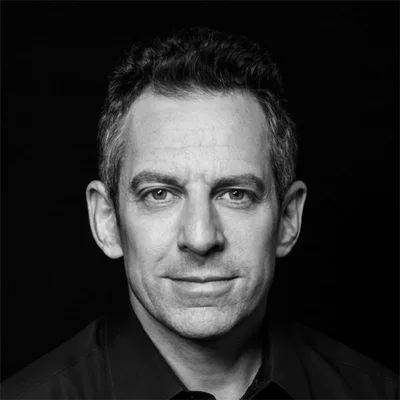
Why It Matters
Pollan’s synthesis highlights that psychedelics may provide rare experiential data for a problem that has eluded neuroscience, influencing future research, therapy development, and policy as society reevaluates the mind‑altering substances.
Key Takeaways
- •Psychedelics expose the hidden "windshield" of consciousness, prompting self‑inquiry.
- •Pollan distinguishes sentience, consciousness, cognition, and intelligence as separate concepts.
- •The "hard problem" remains unsolved; neural correlates alone don’t explain experience.
- •Scientists report personal psychedelic insights influencing their research on consciousness.
- •Renewed cultural acceptance of psychedelics risks repeating 1960s backlash if unchecked.
Summary
In this interview Michael Pollan explores how psychedelics have reshaped his inquiry into consciousness, linking his latest book “A World Appears” to earlier work “How to Change Your Mind.” He frames the conversation around the persistent “hard problem” of how subjective experience arises from neural matter.
Pollan argues that psychedelics “defamiliarize” consciousness, likening it to smudging a windshield that suddenly reveals its presence. He separates sentience (basic environmental sensing), consciousness (subjective experience), cognition (information processing) and intelligence (problem‑solving), stressing that they are orthogonal rather than points on a single scale.
He cites historical figures—from Francis Crick’s search for neural correlates to philosophers like Chalmers and Nagel—to illustrate the explanatory gap. Pollan also shares anecdotes of neuroscientists who use psychedelics privately, claiming those trips yield insights that steer their research, even as the field still lacks a mechanistic account.
The resurgence of psychedelic research and its cultural normalization could accelerate breakthroughs, but Pollan warns of repeating the 1960s backlash if enthusiasm outpaces rigorous study. Understanding consciousness through both scientific and experiential lenses may reshape mental‑health therapies, AI debates, and the broader discourse on what it means to be a mind.
Comments
Want to join the conversation?
Loading comments...