When Should I Stop All My Spiritual Practices?
Why It Matters
It shows that lasting growth stems from embodying awareness instead of endless techniques, a principle that benefits both individual well‑being and organizational culture.
Key Takeaways
- •Recognize true nature; shift from techniques to pure being.
- •Light metaphor: awareness transforms dark mental states into clarity.
- •Residual impulse to 'do' stems from conventional happiness pursuit.
- •Ultimate practice is resting in being, requiring no effort.
- •Spiritual paths should culminate, making teacher and practices redundant.
Summary
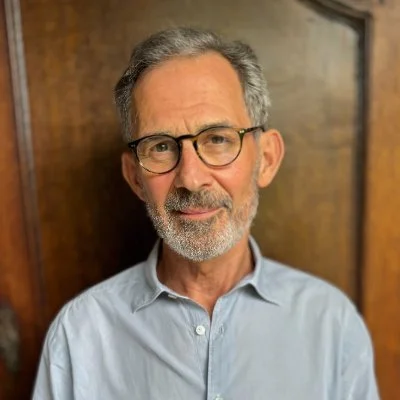
The video explores when a spiritual seeker should cease active practices and rest in the natural state of being, using a dialogue between a practitioner and a teacher.
The speaker describes moving from a progressive, technique‑laden path to simply recognizing the “screen” of true nature, noting that illumination of this screen gradually lightens the “dark clouds” of fear and suffering, allowing everyday life to become more effortless.
Memorable remarks include, “Being requires less effort than blinking,” and the assertion that all teachings and teachers must eventually become redundant, leaving only friendship, celebration, and creativity.
For practitioners, the implication is clear: prioritize staying in pure awareness rather than accumulating methods, which can streamline personal development and prevent burnout, while also offering a model for organizations to value presence over constant productivity.
Comments
Want to join the conversation?
Loading comments...