Key Takeaways
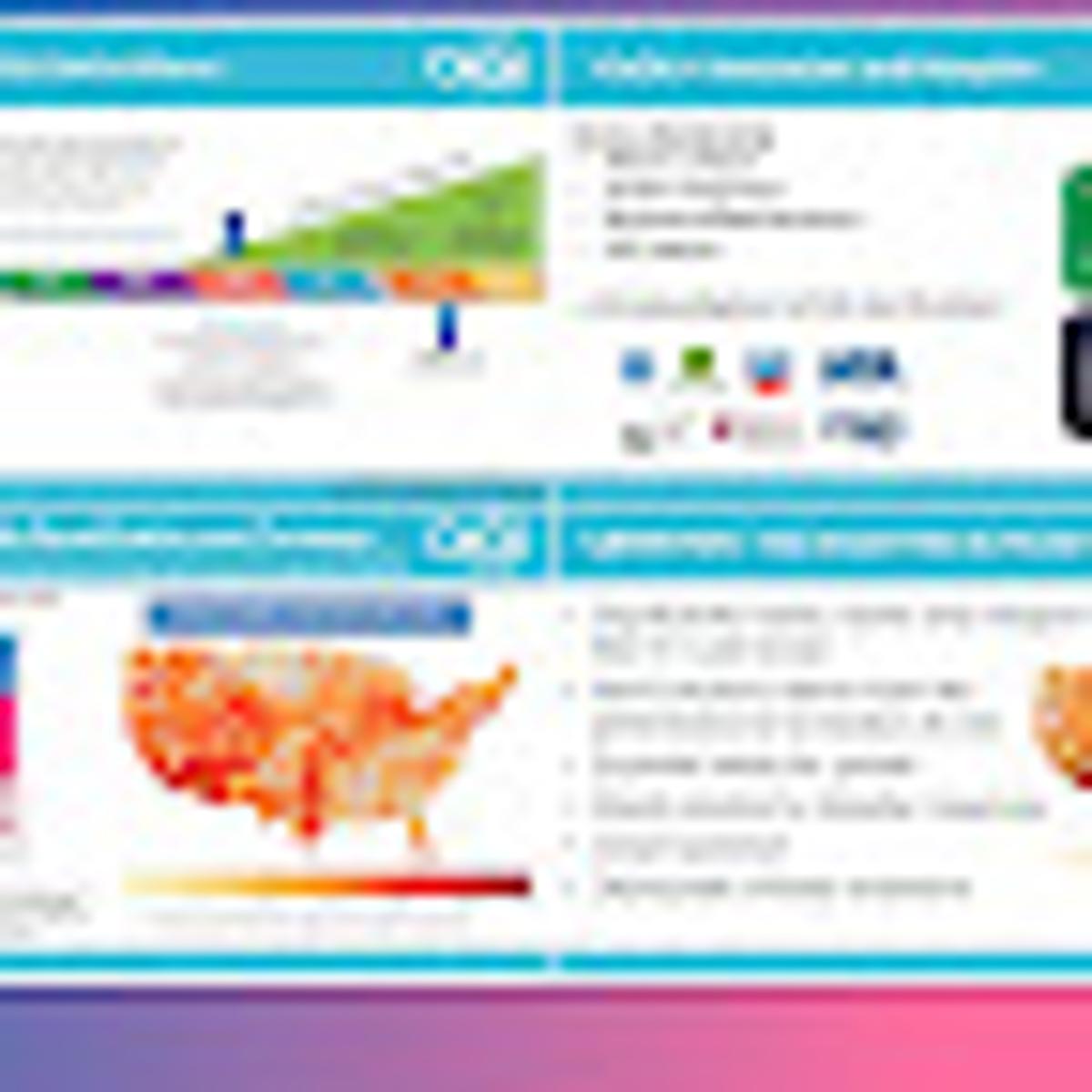
- •Over 437,000 CBRS devices deployed nationwide
- •More than 1,800 private networks launched on CBRS
- •Auction 105 generated ~$5 billion, creating 22,000 PAL licenses
- •CBRS serves 10 million rural residential customers via fixed wireless
- •Neutral‑host deployments can improve indoor coverage in 80% of US buildings
Pulse Analysis
The Citizens Broadband Radio Service (CBRS) emerged from a decade‑long collaboration between the FCC, the Department of Defense and industry groups, culminating in the 2015 rule that introduced a three‑tier, software‑driven spectrum access model. At its core is the Spectrum Access System, which dynamically allocates the 3.5 GHz band to incumbents, priority‑access licence (PAL) holders and general‑authorized users while protecting critical government operations. This hybrid approach bridges the gap between unlicensed Wi‑Fi and costly exclusive licences, offering a flexible, low‑latency framework that can be re‑programmed in minutes rather than years.
The commercial rollout has been rapid. More than 437,000 CBRS devices are now active, supporting over 1,800 private‑network deployments and serving roughly 10 million rural households through fixed‑wireless access. Investment exceeding $14 billion—spanning spectrum fees, equipment, SAS infrastructure and standards work—has been fueled by the PAL auction, which generated nearly $5 billion and opened 22,000 licences to regional operators. Enterprises are leveraging CBRS for private 5G, from factories and campuses to hospitals, while neutral‑host solutions aim to remedy indoor coverage gaps that affect an estimated 80 percent of U.S. buildings.
Looking ahead, CBRS 2.0, launched in 2024, refines incumbent protection and expands coverage to an additional 72 million Americans, illustrating how software updates can unlock new capacity without new hardware. The same programmable architecture makes the band a prime candidate for AI‑enhanced spectrum management, where machine‑learning models could predict interference and optimize allocations in real time. Though regulatory certainty and technical refinements remain challenges, the CBRS experience provides a blueprint for other nations seeking dynamic mid‑band sharing, signaling a shift toward more agile, inclusive spectrum policy worldwide.
CBRS Comes of Age as a Shared Spectrum Success Story
Comments
Want to join the conversation?