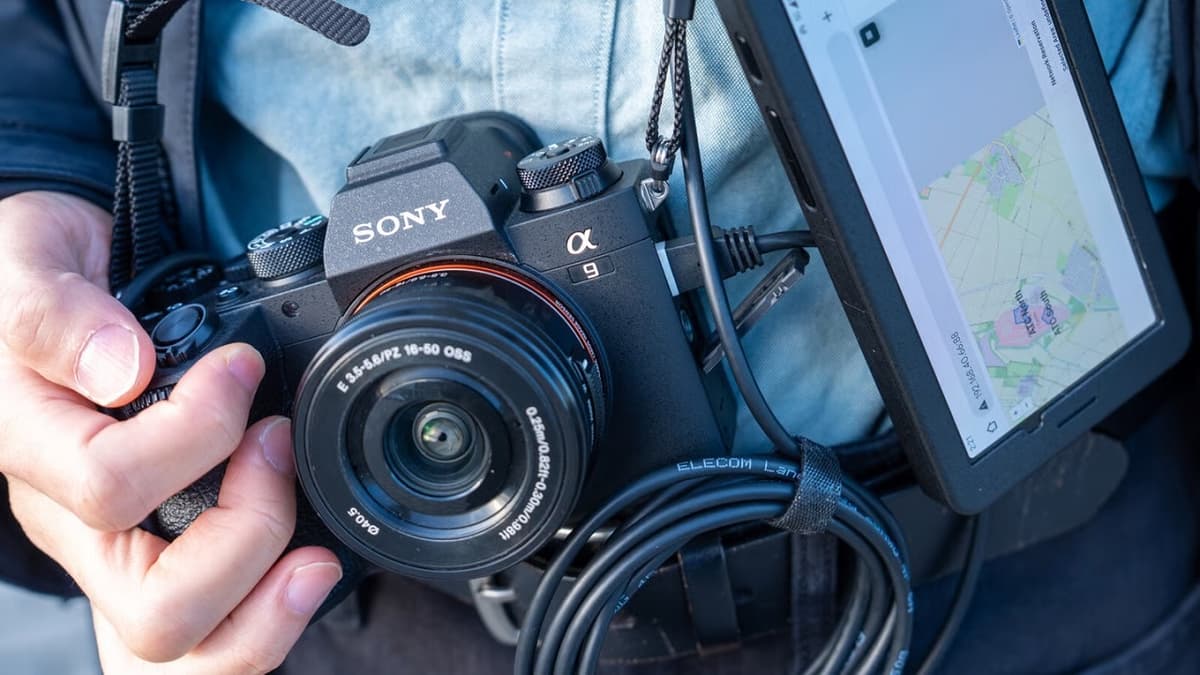
Ericsson, Sony and Vodafone Highlight 5G Photography Innovation at MWC
•March 3, 2026
0
Key Takeaways
- •CAMARA‑compliant slice guarantees upload speeds
- •API‑driven on‑demand network reservation
- •Sony cameras paired with Vodafone 5G transmitters
- •Ericsson provides programmable network orchestration
- •Photography market projected $93B by 2035
Summary
At Mobile World Congress, Ericsson, Sony and Vodafone showcased a 5G‑enabled photography proof‑of‑concept that leverages CAMARA‑compliant network slicing and API‑driven on‑demand reservation. The system pairs Sony cameras and portable data transmitters with Ericsson’s programmable network and Vonage APIs to guarantee high‑speed uploads during crowded live events. By reserving a dedicated slice, professional photographers can transmit images without delay, even when network traffic spikes. The partners highlight this capability as a catalyst for the professional photography market, projected to reach $93 billion by 2035.
Pulse Analysis
The demonstration at MWC underscores how 5G network slicing, standardized by the CAMARA framework, is moving beyond consumer broadband into specialized enterprise services. By exposing programmable APIs, Ericsson and its partners enable real‑time reservation of dedicated bandwidth, effectively creating a private, high‑performance pipe within a shared carrier network. This approach mitigates the congestion typical of stadiums or concert venues, where thousands of devices compete for limited resources, and it showcases the maturity of 5G orchestration tools that can be activated on demand.
For professional photographers, the ability to upload high‑resolution images instantly transforms event coverage workflows. Traditionally, crews rely on spotty Wi‑Fi or bulk‑transfer post‑event, risking missed editorial deadlines. The Sony‑Vodafone solution delivers predictable upload speeds, allowing agencies to receive and edit shots in near real‑time, enhancing news cycles and fan‑engagement platforms. This reliability also opens premium service models—such as on‑site image streaming for broadcasters or instant social‑media feeds—creating new monetization avenues for media companies and equipment manufacturers alike.
Looking ahead, the $60.6 billion professional photography sector’s projected growth to $93.1 billion by 2035 signals a broader appetite for vertical‑specific 5G offerings. As more operators adopt CAMARA‑compliant slices, we can expect similar use cases in live sports analytics, autonomous drones, and immersive AR experiences. The Ericsson‑Sony‑Vodafone collaboration not only validates the technical feasibility but also sets a competitive benchmark, urging rivals to accelerate their own programmable‑network roadmaps to capture emerging high‑value vertical markets.
Comments
Want to join the conversation?