Key Takeaways
- •Higher frequency bands reduce indoor signal penetration
- •Low‑E glass reflects cellular signals
- •Cellular repeaters require costly capital and fees
- •Neutral‑host 5G offers shared indoor coverage
- •Wi‑Fi solutions need seamless authentication to replace cellular
Pulse Analysis
The telecom industry’s push toward millimeter‑wave and mid‑band 5G spectrum delivers faster speeds but sacrifices the low‑frequency propagation that once allowed signals to seep through walls. Buildings constructed in the past decade increasingly feature low‑emissivity glass, metalized insulation, and concrete cores, all of which act as signal shields. As a result, everyday locations such as pharmacies, clinics, and grocery aisles experience dead zones, prompting consumers to rely on cellular data plans that promise speed but fail to provide reliable connectivity inside.
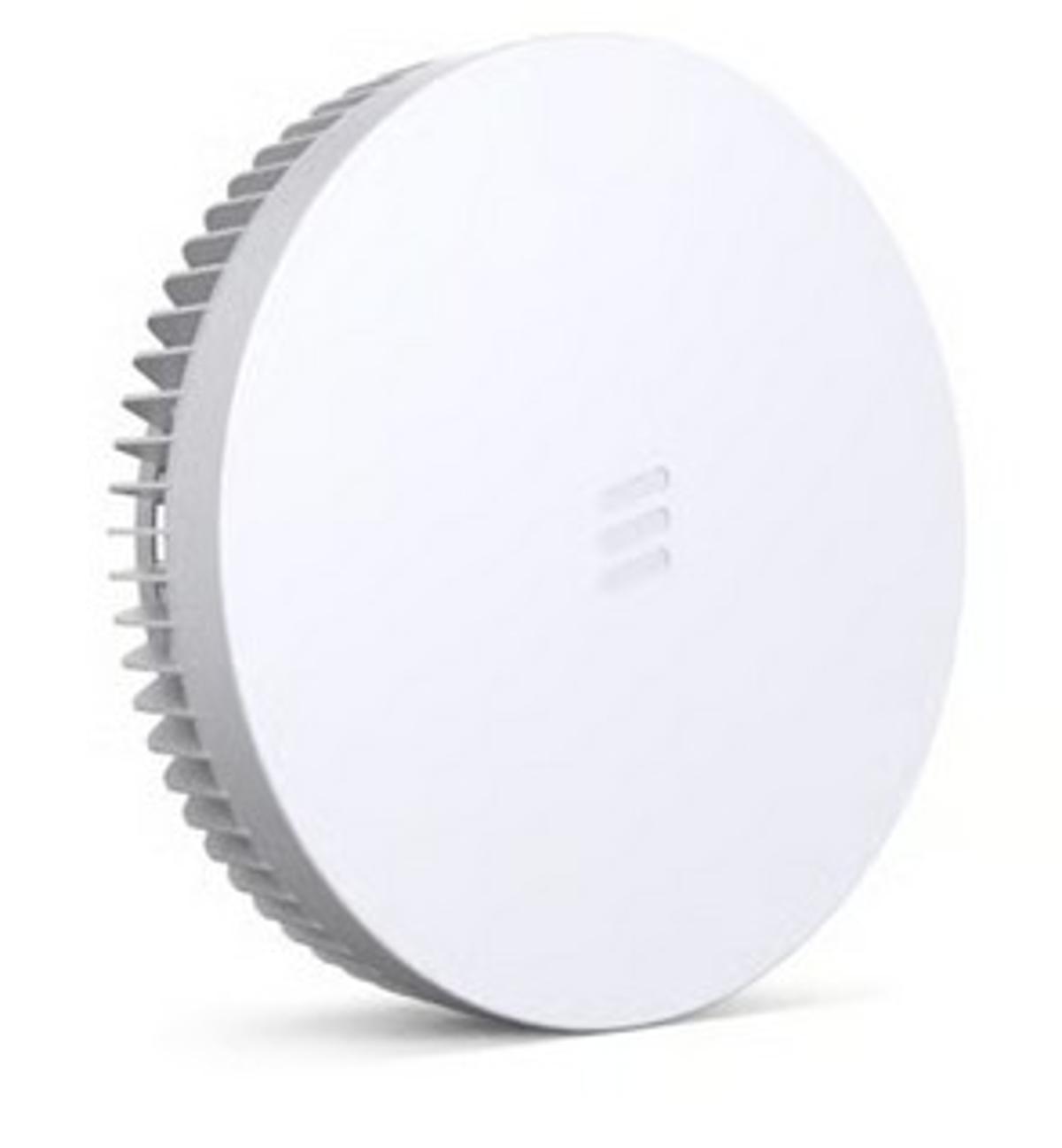
Enter the infrastructure response: carriers and third‑party providers are deploying indoor repeaters and neutral‑host 5G platforms. A repeater like Ericsson’s Radio Dot can be mounted on rooftops or distributed throughout a floor to rebroadcast carrier signals, but the equipment, installation, and ongoing backhaul fees can run into six‑figure sums annually. Neutral‑host models spread those costs across multiple operators, offering shared antenna arrays that any carrier can lease, yet building owners still face upfront capital outlays and ongoing service contracts. Consequently, only high‑traffic venues—hotels, convention centers, large office complexes—are willing to absorb the expense.
For the broader retail sector, the more viable path may be seamless Wi‑Fi integration. Technologies such as Hotspot 2.0 promise automatic, password‑free connections, turning public Wi‑Fi into a cellular substitute for data‑heavy apps. However, adoption has stalled because operators lack clear revenue streams and consumers remain wary of security. As indoor coverage challenges persist, the market will likely see a convergence of modest‑cost repeaters, shared‑host 5G, and smarter Wi‑Fi ecosystems, each vying to become the default solution for the next generation of connected shoppers.
Indoor Cellular Coverage
Comments
Want to join the conversation?