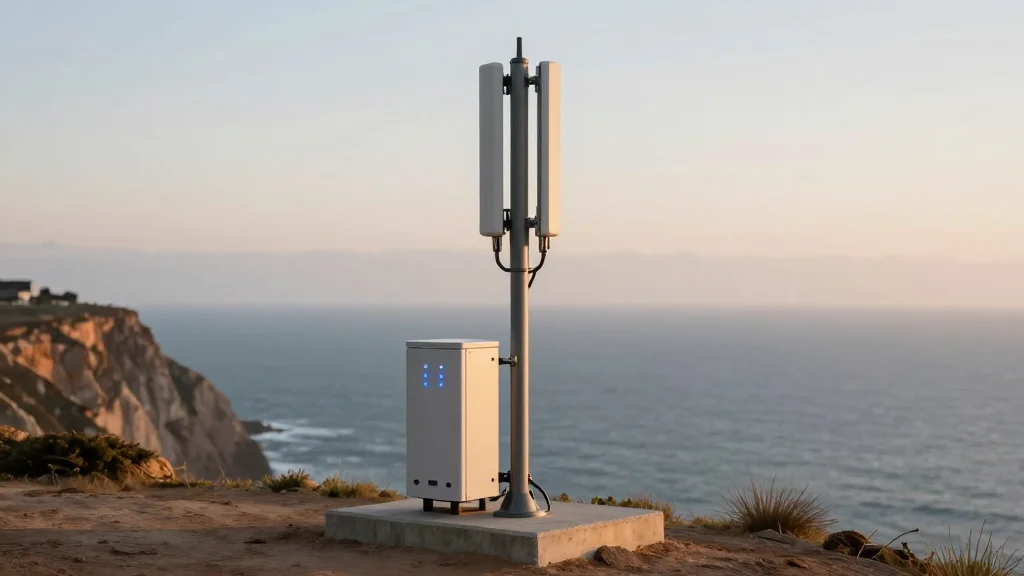
Is the “Far Edge” A Bridge to Far to Cross for AI Inferencing? What About “Distributed AI Grids”?
Key Takeaways
- •Far edge adoption limited: only 15% telcos prioritize it.
- •AT&T doubts value of far‑edge compute for latency gains.
- •Distributed AI grids combine Nvidia, Cisco, AT&T for low‑latency inference.
- •Proprietary AI grid risks lock‑in, data fragmentation, standards lag.
- •Edge AI likely to stay on devices and enterprise sites.
Pulse Analysis
The telecom industry is split between believers and skeptics of far‑edge AI inferencing. Recent Omdia surveys show only 15 % of carriers rank the far edge as the primary site for AI workloads, with an even smaller 11 % favoring the near edge. Executives like AT&T’s Yigal Elbaz argue that the marginal latency savings—often a millisecond or two—do not justify the expense of deploying high‑performance compute to radio sites. Instead, they favor leveraging existing fiber and wireless backbones, combined with a software layer that routes models to the most appropriate node.
In response, major vendors are building distributed AI grids that push inference closer to the data source without fully extending to every cell tower. Nvidia, Cisco and AT&T are prototyping a fabric that uses Spectrum‑X Ethernet with RoCE, Silicon One routing and zero‑trust security to create a deterministic, low‑latency interconnect across geographically dispersed edge nodes. Early proof‑of‑concepts include public‑safety video analytics and enterprise IoT workloads, demonstrating how on‑premises edge (oPE) can reduce backhaul latency while keeping sensitive data local.
While the grid approach offers a pragmatic middle ground, it introduces strategic concerns. Relying on a single‑vendor hardware stack risks lock‑in, data fragmentation and lagging standardization, potentially undermining Open RAN ambitions. Telecoms must balance the lure of Nvidia’s capital‑backed ecosystem against the need for multi‑vendor flexibility and long‑term sustainability. Ultimately, the success of edge AI will depend on clear use‑case economics, interoperable architectures and the ability to monetize latency‑critical services without over‑investing in far‑edge infrastructure.
Is the “far edge” a bridge to far to cross for AI inferencing? What about “Distributed AI Grids”?
Comments
Want to join the conversation?