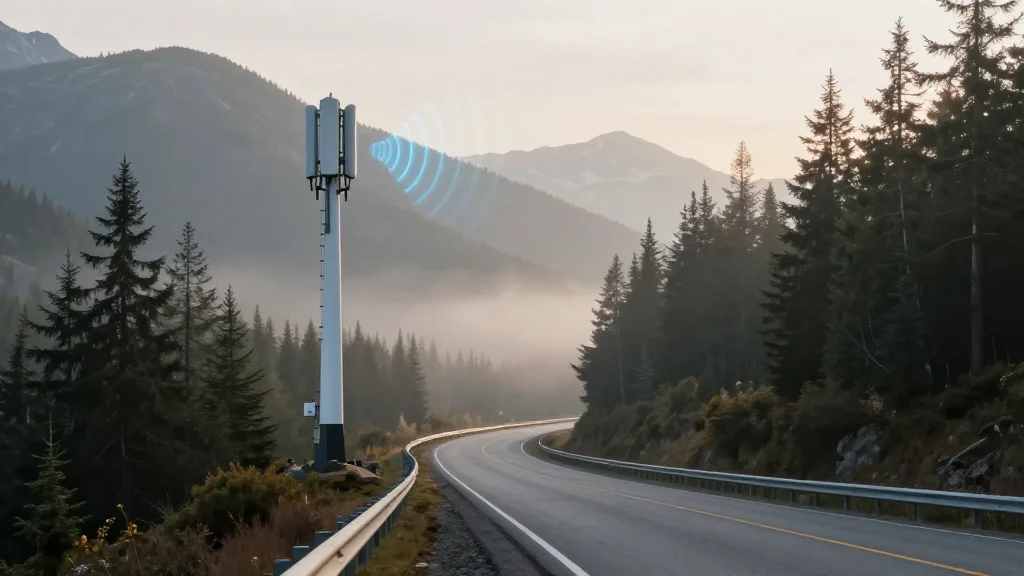
Rogers Expands 5G Connectivity Along Highway 97 in British Columbia
Key Takeaways
- •Rogers adds 5G from Pine Pass to Chetwynd on Highway 97.
- •Coverage fills previous dead zones for drivers and remote communities.
- •Improves emergency communications during wildfires, floods, winter storms.
- •Supports tourism to Alaska Highway and northern BC attractions.
- •Complements Rogers Satellite, extending connectivity beyond traditional towers.
Pulse Analysis
The Highway 97 expansion marks a strategic push by Rogers to cement its position as Canada’s most reliable 5G provider. By targeting a corridor that traverses rugged, sparsely populated terrain, the carrier addresses a core limitation of traditional cellular networks—coverage gaps that can jeopardize safety and hinder economic activity. The collaboration with British Columbia’s provincial connectivity program reflects a growing model where public investment leverages private expertise to deliver critical infrastructure faster and more cost‑effectively.
From a safety perspective, continuous 5G coverage enables real‑time data transmission for emergency services, allowing quicker dispatch of roadside assistance and more accurate alerts during wildfires, floods, or severe winter weather. For the tourism sector, the improved signal enhances the experience of domestic and international travelers heading toward the Alaska Highway, encouraging longer stays and higher spending in northern communities. Moreover, reliable connectivity supports local businesses, remote workers, and Indigenous populations, fostering digital inclusion and opening new avenues for economic development.
Rogers’ rollout also underscores the convergence of terrestrial 5G and satellite technologies. While 5G delivers low‑latency, high‑capacity connections along the highway, the company’s satellite service fills the remaining blind spots beyond tower reach, creating a seamless network fabric across the province. This hybrid approach positions Rogers to meet the rising demand for ubiquitous connectivity, a trend that competitors will likely emulate as Canada accelerates its broadband modernization agenda. The Highway 97 project thus serves as a blueprint for future rural deployments, blending advanced radio access with satellite backhaul to bridge the digital divide.
Rogers Expands 5G Connectivity Along Highway 97 in British Columbia
Comments
Want to join the conversation?