Why It Matters
The corridor will expand cross‑border bandwidth, lower latency and attract data‑center and cloud services to the Balkans, strengthening the region’s digital economy. It also positions Greece as a strategic telecom gateway between Europe, the Middle East and North Africa.
Key Takeaways
- •4iG and Grid Telecom sign MoU for fiber corridor
- •Plan includes terrestrial link Albania‑Greece and subsea Adriatic cable
- •Project aims to create resilient, high‑capacity digital route
- •Greece positioned as open‑access hub for Europe‑MENA traffic
- •Potential partners invited for design, procurement, operation phases
Pulse Analysis
The Balkans and Eastern Mediterranean have long lagged behind Western Europe in fiber capacity, relying on a patchwork of legacy routes that limit bandwidth and increase latency. Subsea cables are the backbone of global data traffic, and the Adriatic corridor offers a direct, low‑latency path between the Mediterranean and the European mainland. By adding a high‑fiber‑count cable, the region can tap into the growing demand for cloud services, AI workloads, and real‑time applications that require ultra‑fast connections.
4iG’s International Digital Infrastructure unit brings experience in cross‑border projects, including a European‑Commission‑backed subsea link from North Africa to Albania. Grid Telecom contributes over 6,000 km of terrestrial and subsea fiber, a proprietary DWDM platform, and access to IPTO’s power‑grid infrastructure, which can host dual‑use fiber cables. Their combined expertise reduces deployment risk, accelerates time‑to‑market, and creates a resilient network that can reroute traffic during outages. The MoU’s openness to additional partners further diversifies funding sources and technical input, enhancing the project’s scalability.
Beyond the immediate connectivity gains, the corridor is poised to reshape the regional digital ecosystem. Faster, more reliable links attract data‑center operators, fintech firms, and multinational enterprises seeking cost‑effective alternatives to Western hubs. Greece’s positioning as an open‑access node strengthens its leverage in EU digital policy discussions and may draw further European investment into the Mediterranean’s telecom infrastructure. As the Middle East and North Africa continue expanding their digital economies, the new corridor could become a preferred gateway, linking emerging markets to European cloud providers and content delivery networks, thereby driving long‑term economic growth across the Balkans and beyond.
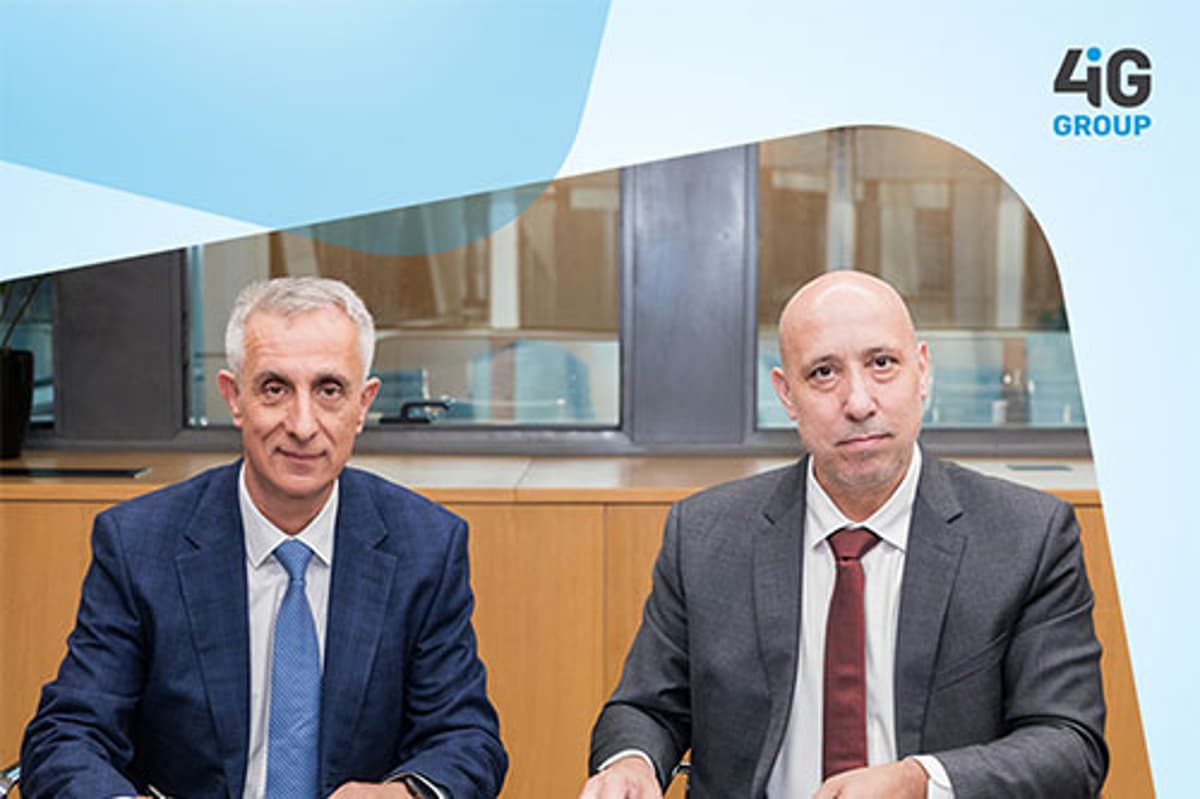
4iG Group, Grid Telecom Eye Adriatic Subsea Cable
Comments
Want to join the conversation?
Loading comments...